
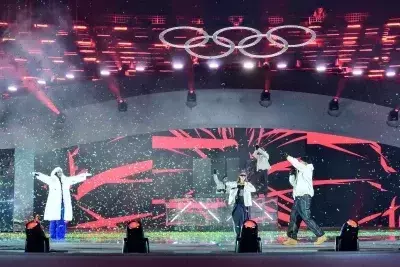
The 2026 Winter Olympics drew to a close with an unexpectedly lively and engaging ceremony in Verona, Italy. Breaking from the formal grandeur often associated with such events, this closing celebration embraced a more relaxed and interactive atmosphere, delighting both athletes and spectators alike. Blending historical tradition with modern flair, the evening in the ancient Roman amphitheater proved to be a memorable culmination of weeks of intense competition and emotional highs.
Details of the Grand Finale in Verona
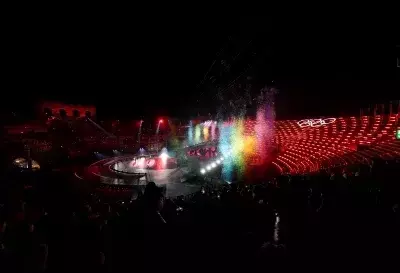
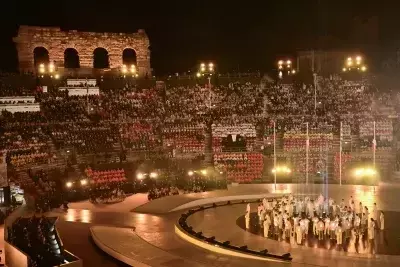
On Sunday, February 22, 2026, the historic city of Verona, Italy, played host to the spectacular closing ceremony of the Winter Olympics. Thousands gathered at the venerable Verona Arena, an ancient Roman amphitheater dating back to approximately 30 AD, a setting that provided a unique backdrop for the festivities. While the opening ceremony 16 days prior had its own impressive display, the closing event cultivated a distinctly more convivial and celebratory mood.
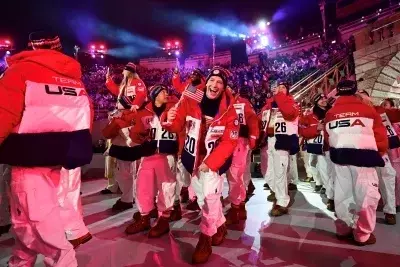
The ceremony skillfully interwove traditional Olympic customs, such as the symbolic Parade of Nations (featuring flag-bearers, though without an announcer, lending a more intimate feel) and the ceremonial extinguishing of the Olympic cauldrons located in Milan and Cortina. Athletes, after rigorous weeks of competition, embraced a more casual dress code; for instance, Team USA exchanged their formal attire for comfortable, streetwear-inspired outfits designed by Ralph Lauren. This shift contributed to the overall relaxed ambiance.
Speeches from esteemed figures like International Olympic Committee President Kirsty Coventry and the head of the Italian organizing committee acknowledged the immense efforts of the regional hosts and the 80,000 dedicated volunteers. A significant moment included the passing of the Olympic torch to France, the host nation for the 2030 Winter Games, and a nod to the upcoming Paralympics, scheduled to commence at the same Verona venue on March 6.
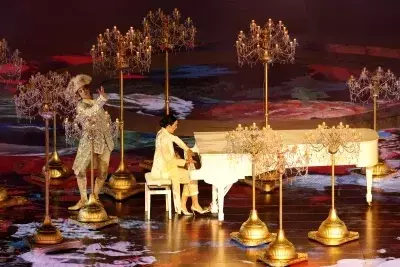
Adding an unexpected burst of energy, the evening’s entertainment, themed “A Night at the Opera,” incorporated a recurring motif of candelabras, featuring performers and moving stage elements. However, the most striking departure from convention came with a high-energy DJ set from Major Lazer, led by Diplo, immediately following the extinguishing of the Olympic flame. This electrifying performance, complete with dazzling light beams, showers of confetti, and glitter cannons, transformed the arena into a vibrant dance party, much to the delight of the freezing, yet enthusiastic, crowd.
Even after the ceremony officially concluded, the celebratory spirit continued. Athletes, including medalists like Norway’s cross-country skiing legend Johannes Høsflot Klæbo, were seen mingling with spectators and even stopping for late-night meals at local establishments like McDonald’s, showcasing the camaraderie and human element that truly define the Olympic experience beyond the pomp and pageantry.
This year’s Winter Olympics closing ceremony offered a compelling lesson in how tradition can be reimagined with contemporary elements to create an unforgettable experience. The blend of solemn Olympic rituals with a lively, concert-like atmosphere highlights a growing trend towards making these global events more accessible and engaging for a wider audience. It also underscored the universal joy and camaraderie that emerge after intense competition, reminding us that beyond the medals and records, the human connections and shared celebration are what truly endure. The sight of athletes from diverse nations enjoying a casual meal together encapsulates the spirit of unity and sportsmanship that is the ultimate legacy of the Games.
