

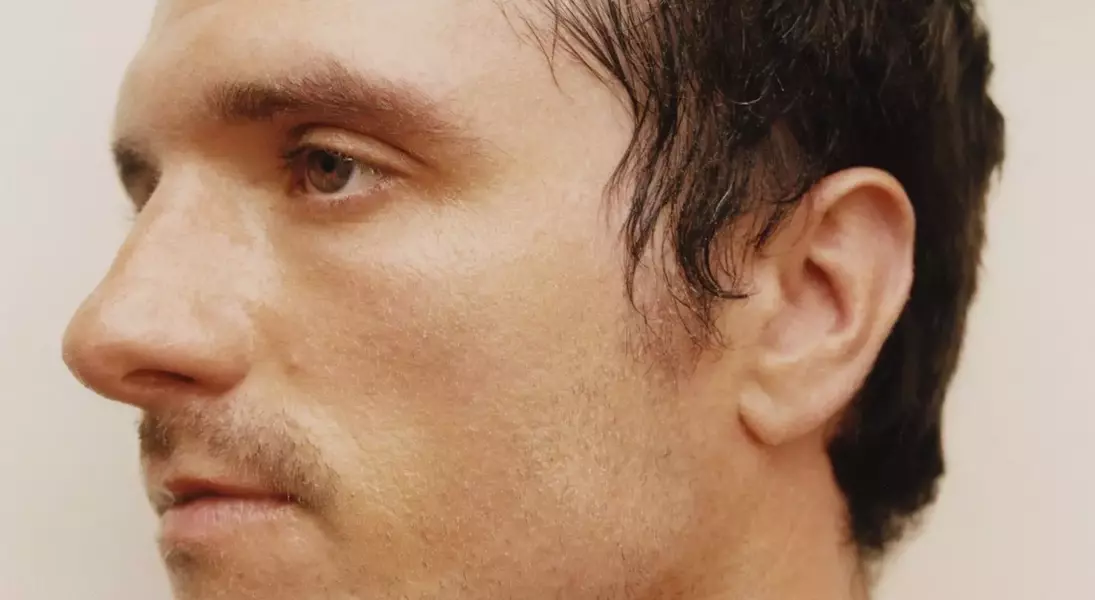
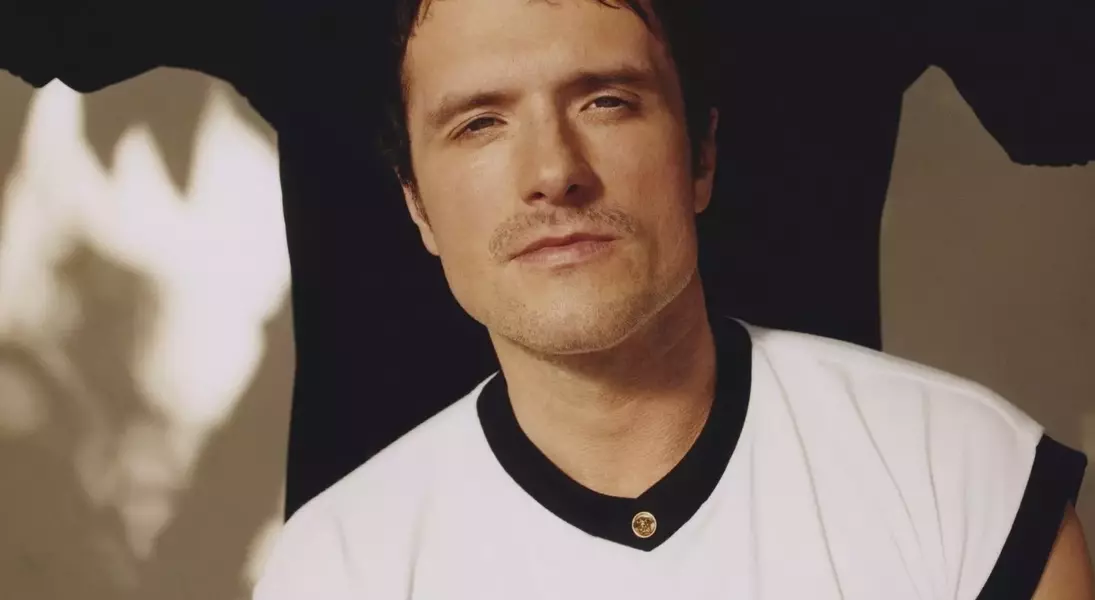




In an insightful conversation, actor Josh Hutcherson reveals a profound shift in his approach to self-perception and public image. For years, he largely disregarded his appearance, a coping mechanism developed during his early career under intense scrutiny. Now, Hutcherson, at 33, is actively engaging in self-reflection, both literally and metaphorically, acknowledging and addressing his insecurities with newfound honesty. This personal evolution coincides with a resurgence in his career, marked by recent projects and a complex re-engagement with the online world, challenging his past detachment from superficial concerns.
Hutcherson candidly admits that for a significant period, he paid little attention to his physical appearance. His daily routine involved minimal effort, often leaving the house without a glance in the mirror. He humorously recounts the possibility of having a noticeable blemish without realizing it, a testament to his deliberate detachment. This indifference, however, wasn't born out of confidence but rather a defense mechanism against the constant public gaze he experienced since childhood, starting with films like "Zathura" and "Bridge to Terabithia" and intensified by the massive success of "The Hunger Games" franchise, where he portrayed Peeta Mellark. The relentless media attention and the need to maintain a certain image for his career left him feeling scrutinized, leading him to feign disinterest as a way to protect his self-esteem.
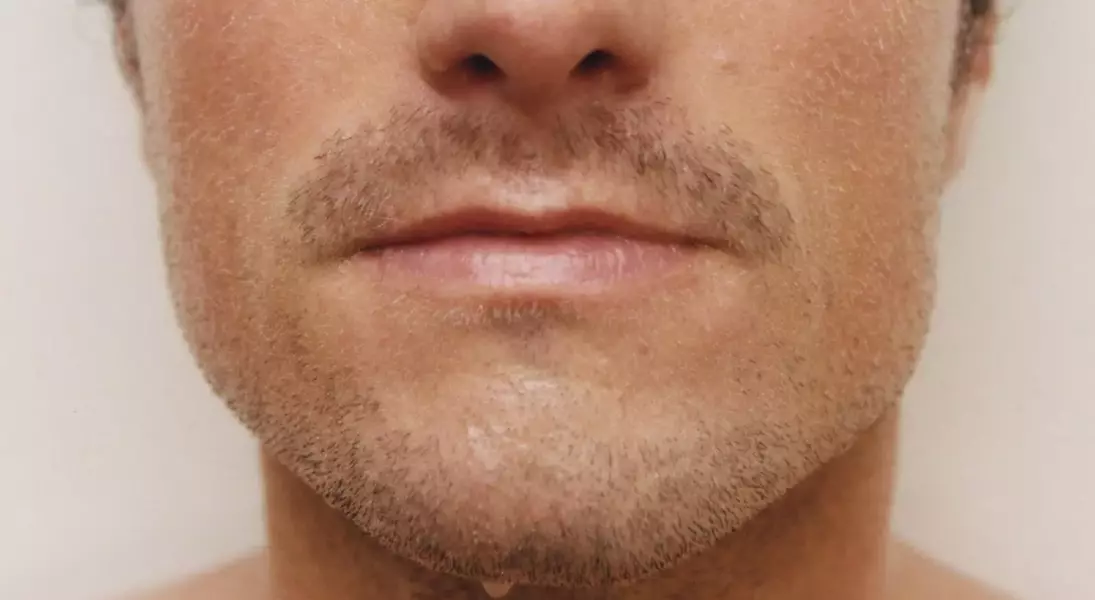
The actor openly discusses his physical insecurities, such as rosacea, acne breakouts, and his height. He explains how the constant public display in his profession amplified these vulnerabilities, making him a target for judgment. His initial response was to avoid confronting these aspects, believing that if he didn't acknowledge them, they wouldn't be an issue. This avoidance, he reveals, was a way to hide behind a facade of not caring, rather than addressing his deeper feelings.
However, a year ago, a significant change began. Hutcherson started looking in the mirror more consciously, not just for physical checks but to confront his anxieties and fears. He attributes this shift, in part, to therapy, which has provided him with a safe space to articulate and explore his insecurities. Instead of maintaining a false sense of confidence, he's learning to embrace his vulnerabilities, such as disliking certain aspects of his body or feeling unattractive. This process, though daunting, has been instrumental in his personal growth.
This period of self-improvement aligns with what some are calling a "Josh Hutcherson Renaissance." With a new HBO series, "I Love LA," the "Five Nights at Freddy's" horror film series, and potential "Hunger Games" sequels, his career is flourishing. His role as Dylan in "I Love LA" has been particularly well-received, earning positive reviews and a second season. His portrayal of a grounded, intelligent character resonated with audiences and critics, prompting a renewed appreciation for his talent on social media, even leading to viral TikTok moments.
Despite this renewed online popularity, Hutcherson remains wary of the internet's volatile nature. His experience with a casual comment about not being a "Swiftie" quickly escalating into a barrage of negative comments underscored his discomfort with online culture. He views internet fame as counterproductive to his craft, as it can hinder his ability to embody diverse characters if he's primarily recognized for memes. He acknowledges the prevalence of memes featuring him, including a particularly humorous one from "The Hunger Games" where his character, Peeta, inexplicably camouflages himself. While some memes are harmless, he finds others trivial, expressing his past frustration with that specific scene's lack of realism.
Despite these challenges, Hutcherson maintains a deep affection for "The Hunger Games" series. Unlike many actors who distance themselves from early career-defining roles, he embraces the franchise's significance, not only for his personal journey but also for its enduring cultural relevance. He sees the themes of authoritarianism and governmental overreach in "The Hunger Games" as increasingly pertinent to current global political climates, describing it as a powerful, albeit fictional, warning against unchecked power and the erosion of civil liberties.
His re-entry into the public eye, particularly through promotional tours and social media engagement, initially triggered anxiety. However, instead of retreating, he chose to confront these feelings. He acknowledges that his physical insecurities, like rosacea and his height, haven't disappeared, but he has learned healthier coping mechanisms and acceptance. He attributes this progress to therapy and the wisdom gained with age, allowing him to reframe his insecurities not as flaws but as integral parts of his identity.
This shift has led to a more balanced and healthy self-perception, moving away from self-deprecating spirals. While acknowledging that personal growth is an ongoing journey, he expresses contentment with his current state of self-acceptance. He's also begun to appreciate the importance of personal grooming, incorporating products like Mesoestetic's sensitive skin solution, KeraFactor's 2-in-1 shampoo and conditioner, and Supergoop! sunscreen into his routine. This newfound attention to his appearance is not about vanity, but about embracing self-expression and recognizing that how one presents themselves influences how they feel. This journey is about truly seeing and appreciating himself, rather than merely glancing in the mirror.
