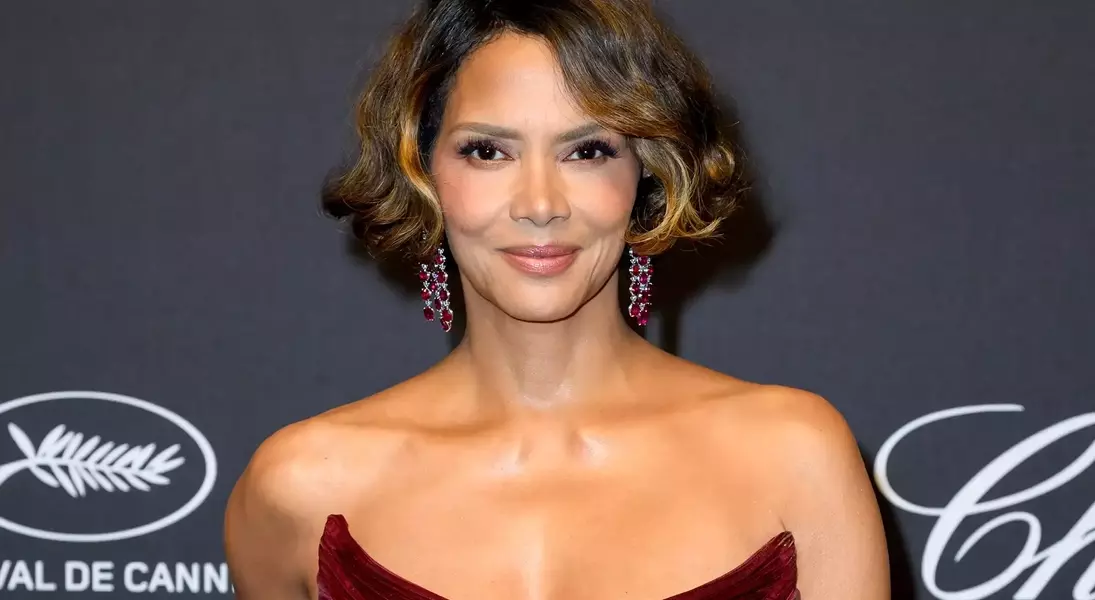
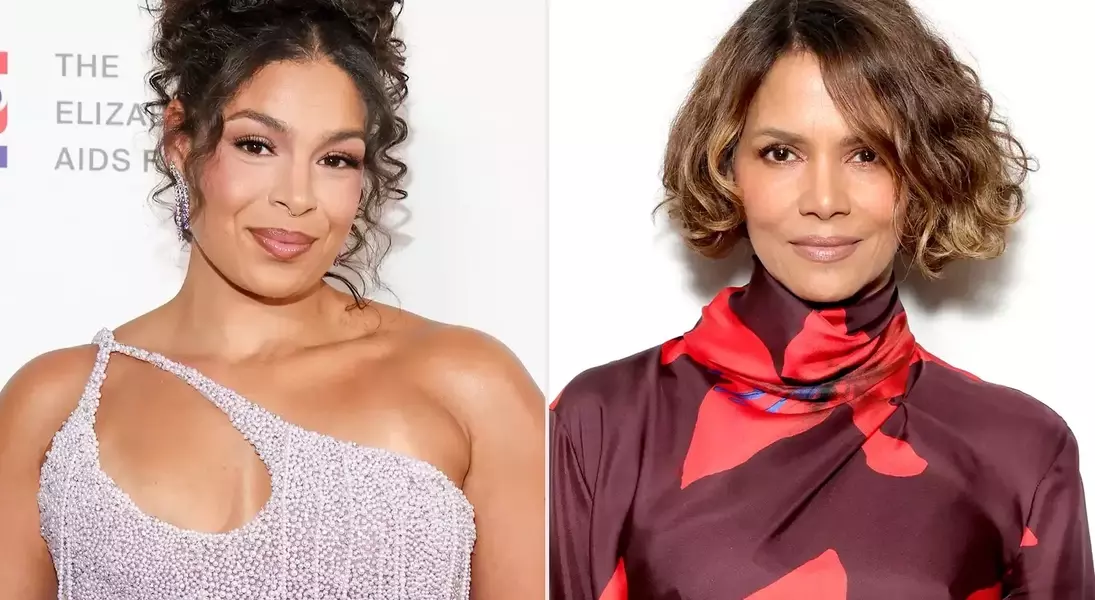
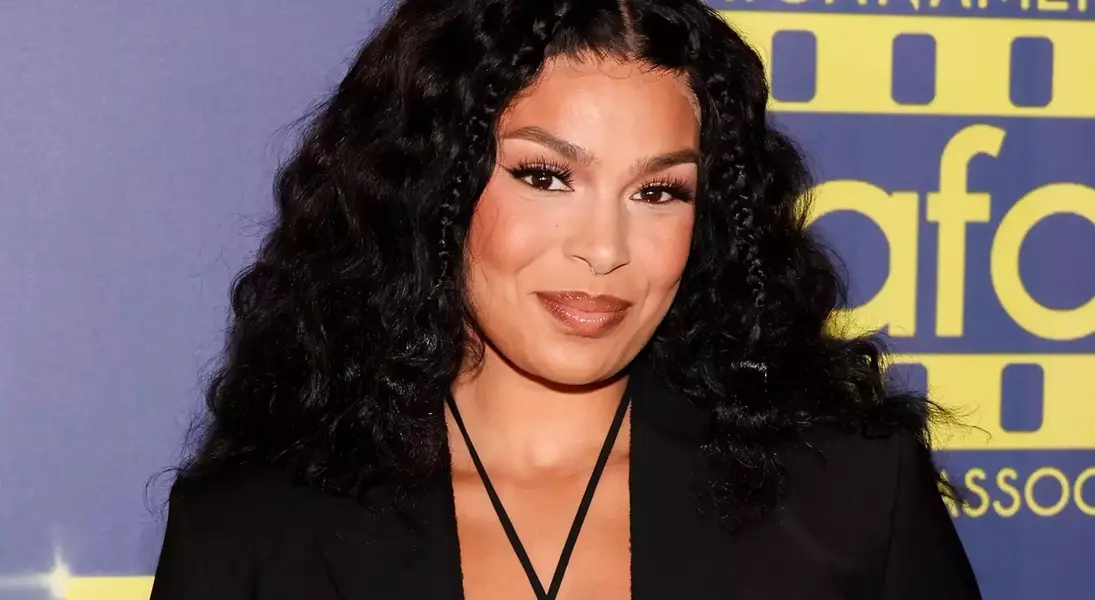
Jordin Sparks, the acclaimed winner of American Idol, found herself at the center of a social media storm after publicly appealing to Oscar-winning actress Halle Berry. Sparks' unique approach to seeking Berry's professional advice on a screenplay focused on hormones and menopause ignited a widespread debate across digital platforms. This event highlighted the evolving nature of celebrity engagement and the varied interpretations of professional etiquette in the public eye.
Jordin Sparks' Bold Public Pitch to Halle Berry Sparks Online Controversy
In a surprising turn of events on a bustling Wednesday, November 20, 2025, former "American Idol" champion Jordin Sparks, aged 36, chose the highly visible platform of X (formerly Twitter) to reach out to the illustrious Oscar-winning actress Halle Berry. Sparks' message explicitly mentioned a desire for Berry to review a screenplay she had penned, delving into the subjects of hormones and menopause. "Hiiii @halleberry!" Sparks' post began, "I sent you a dm because I wrote a screenplay about hormones and menopause and know you’d be the right person to talk to about it! Hope you’re having a great day! 🤍"
This unconventional public solicitation quickly polarized online audiences. While some social media users were swift to lambast Sparks for what they perceived as an unprofessional and attention-seeking tactic, others rose to her defense. Supporters pointed out that Berry, a vocal advocate for menopause awareness and the founder of the menopause care company Respin, was an exceptionally relevant figure to approach on such a topic. Berry had previously shared her personal struggles with perimenopause on "The Drew Barrymore Show," describing her experience as feeling "dropped into hell" and experiencing profound depression due to the lack of public discourse around the issue.
The criticism ranged from users questioning Sparks' choice of a public forum—"Baby go back to learning how to breathe with no air," one user quipped—to suggestions that a celebrity of her stature should employ traditional industry channels: "You don’t have an agent/manager that can make the connection?" Conversely, advocates for Sparks applauded her initiative, recognizing Berry's open stance on menopause as an invitation for such dialogue. "People, Halle is literally a menopause advocate," one user explained. "She's very outspoken about it. Which is why Jordan is reaching out." Another supporter enthusiastically encouraged, "Pitch that thing. Wishing you the best Jordan!" The incident vividly illustrates the double-edged sword of digital communication for public figures, where authenticity can be both celebrated and scrutinized.
The public nature of Jordin Sparks' appeal to Halle Berry serves as a fascinating case study in modern celebrity dynamics and professional networking. It highlights the blurred lines between personal and professional interactions in the age of social media, raising questions about etiquette, opportunity, and the power of public platforms. While the approach sparked debate, it also undeniably brought increased visibility to Sparks' project and the important topic of menopause, leveraging Berry's established advocacy. This event underscores that in a digitally interconnected world, unconventional methods can sometimes yield unexpected results, challenging traditional norms and fostering new avenues for dialogue and collaboration.
