


Joel Edgerton, celebrated for his versatile performances and directing acumen, offers a candid look into his artistic journey, emphasizing his dedication to thoughtful, character-driven cinema over commercial aspirations. He reveals how his personal experiences and deep-seated artistic principles shape his choices in an industry often driven by metrics beyond creative merit.
The Unconventional Path: Edgerton's Enduring Vision in Cinema
The Allure of Festival Discoveries and Personal Performances
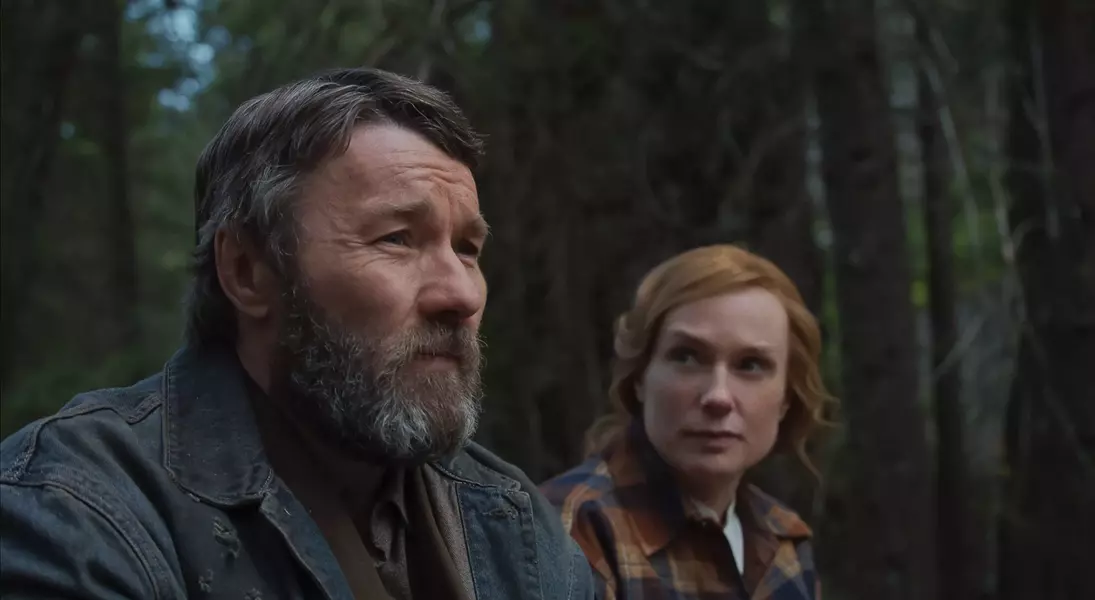
At the Middleburg Film Festival, Joel Edgerton, despite being honored for his acting achievements, found himself drawn to the array of international and American independent films. His genuine enthusiasm for discovering new cinematic works, even though his schedule prevented him from viewing them, highlights his enduring passion for the art form. This mirrors his deep connection to his role in \"Train Dreams,\" a film he considers his most intimate screen performance yet.
\"Train Dreams\": A Resounding Independent Triumph
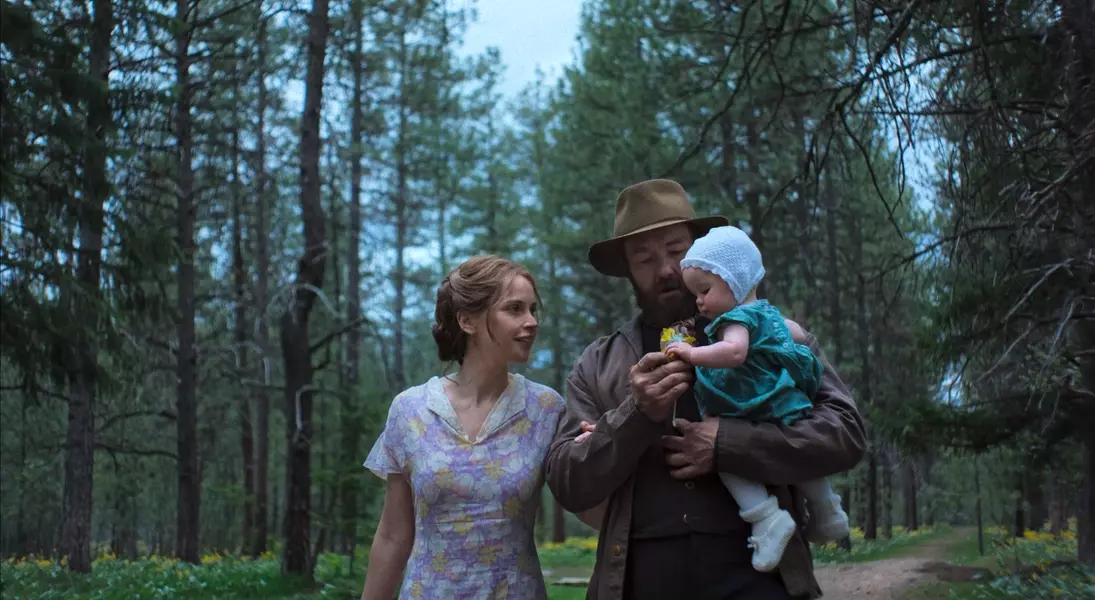
Edgerton's involvement in \"Train Dreams,\" a film that overcame significant production hurdles, has become a notable success story. The movie, based on Denis Johnson's novella and directed by Clint Bentley, delves into the life of Robert Grainier, a logger in the early 20th century. Edgerton's portrayal, exploring themes of love, loss, and the human spirit, is described as a career-defining performance that resonates deeply with his own life's reflections.
Harmonizing Craft and Family: The Actor's Dilemma
Edgerton openly discusses the universal challenge of balancing a demanding career with family responsibilities. He reflects on his own childhood, marked by his father's dedication to work, and how this has influenced his decision-making, particularly regarding directing. His preference for acting in certain phases of his life stems from a desire to be more present for his children, illustrating the sacrifices artists often make.
The Power of Subtlety: Nonverbal Storytelling
Recognized for his ability to convey profound emotions without extensive dialogue, Edgerton excels in roles demanding subtle, nonverbal expression, notably in \"Train Dreams\" and \"Loving.\" He views this as an exercise in trust, both with his collaborators and the audience, inviting them to connect with characters on a deeper, more intuitive level through nuanced performances.
Championing Indie Cinema: A Commitment Beyond Remuneration
Edgerton's choice to participate in independent projects like \"The Plague,\" despite their often lower financial compensation and greater production challenges, underscores his belief in their creative freedom and potential for impact. He often acts as a mentor and facilitator for emerging filmmakers, assisting them in bringing their visions to life, driven by a desire to foster artistic innovation.
Mentorship and the Pursuit of Cinematic Excellence
Reflecting on his experience with Timothée Chalamet during \"The King,\" Edgerton recalls Chalamet's undeniable talent and ambition. He identifies with Chalamet's outspoken desire for greatness, seeing it as a refreshing honesty in an industry often constrained by modesty. Edgerton views such ambition as a vital spark for continued artistic growth and achievement.
Rejection and Resilience: A Hollywood Reality
Edgerton shares a valuable lesson on rejection from director Peter Weir, who likened casting to finding the perfect match for a crime. This perspective helped Edgerton understand that casting decisions often go beyond an actor's skill, encompassing factors like physical type and market value. He encourages young actors to maintain self-belief and perseverance in the face of setbacks, recognizing the industry's often arbitrary nature.
Taking the Reins: Controlling One's Artistic Destiny
Edgerton advocates for artists to take control of their careers, illustrating this with his steadfast commitment to \"Train Dreams\" despite external pressures to pursue other projects. He recounts similar experiences, where his conviction in a project, such as \"Animal Kingdom,\" proved successful against conventional advice, emphasizing the importance of trusting one's instincts.
The Director's Lens: Exploring Human Fallibility
As a filmmaker, Edgerton is drawn to narratives about human error and redemption. His directorial works, including \"The Gift\" and \"Boy Erased,\" explore the complexities of morality and the consequences of personal choices. He sees filmmaking as a means to delve into fundamental human questions about kindness, cruelty, and the journey of self-discovery.
The Evolution of Film Distribution: Embracing Streaming
Edgerton reflects on the changing landscape of film distribution, particularly the rise of streaming platforms. While acknowledging a fondness for the traditional cinema experience, he recognizes the immense accessibility and broader reach offered by services like Netflix. He cites the success of \"The Stranger\" on Netflix as evidence that streaming can provide an extensive audience for films that might otherwise have limited theatrical runs, valuing a film's longevity and impact over its opening weekend box office numbers.
