New York Fashion Week recently highlighted the exceptional talents of two jewelry designers, George Inaki of Milamore and Juju Ferentinos of Juju Vera, both recognized as finalists for the prestigious CFDA/Vogue Fashion Fund. Each designer presented their latest collections through distinct and immersive experiences, offering a fresh perspective on contemporary adornment. Their showcases demonstrated not only innovative craftsmanship but also a deep personal connection to their creations, captivating the fashion elite with unique narratives and artistic expressions.
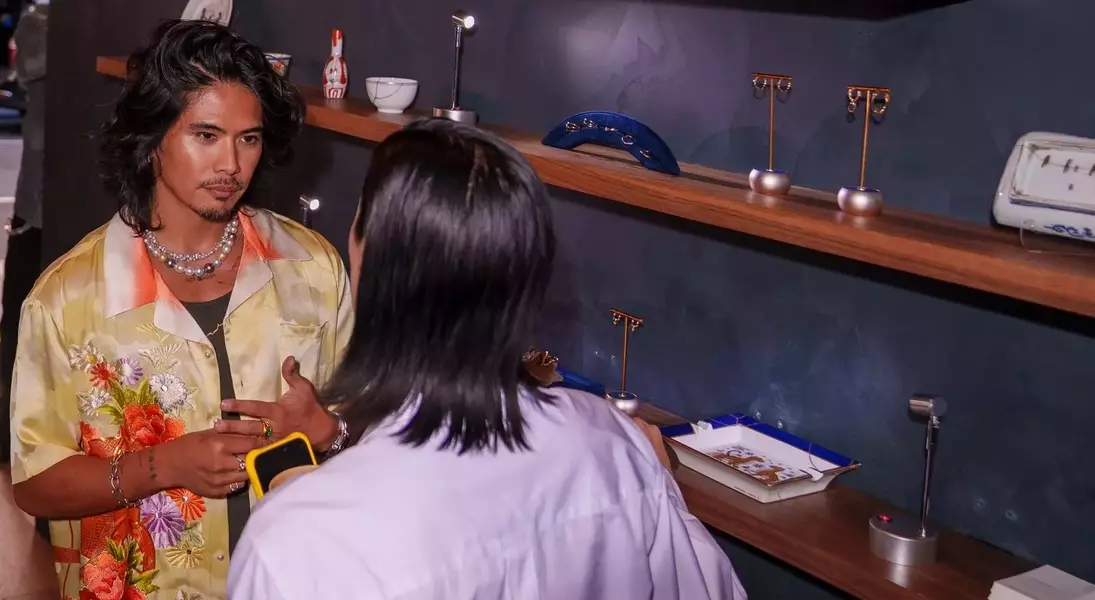
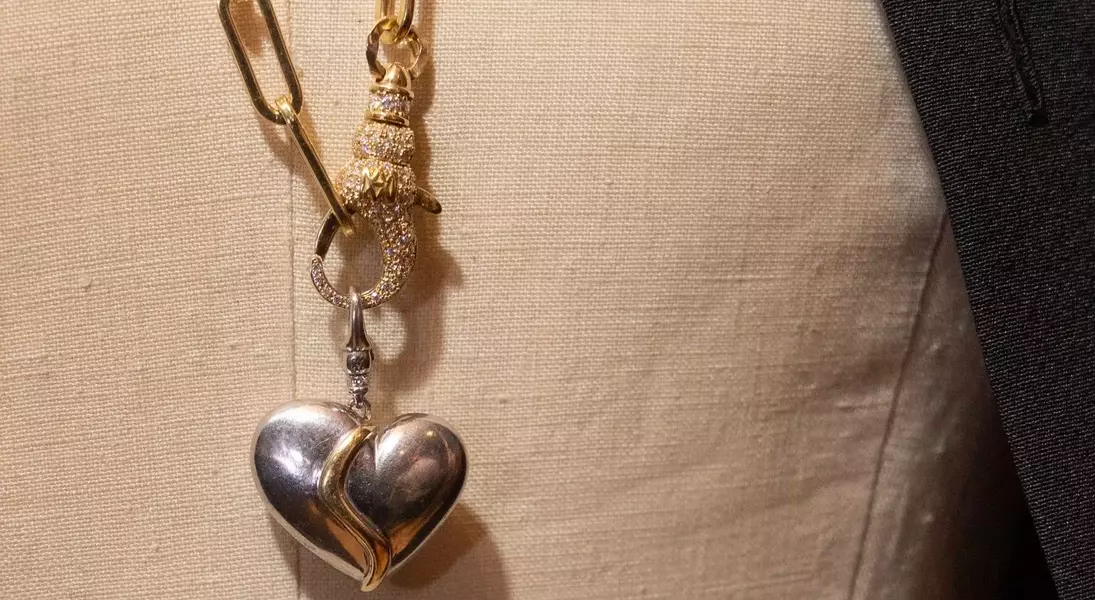
On a recent Friday, George Inaki, with his Spanish-Filipino and Japanese heritage, hosted an elegant matcha ceremony at Sorate, transforming his presentation into a cultural journey. Inaki's Milamore collection is profoundly influenced by kintsugi, the traditional Japanese art of mending broken pottery with gold lacquer. This philosophy of embracing imperfections and highlighting repair as a form of beauty was evident in his meticulously sculpted pieces, which mimicked the shimmering, gilded lines of mended ceramics. Inaki shared that this concept emerged from his personal struggles when he first moved from Japan to New York, viewing the practice as a way to "mend myself" and navigate new beginnings. The collection featured a signature kintsugi necklace, designed as a golden squiggle, alongside novel items like kimonos reimagined into shirts adorned with pearl and diamond buttons. Another notable design was a heart pendant and a silver puzzle chain necklace, whose interlocking segments could be detached and reassembled, symbolizing resilience and transformation. In a touching personal gesture, Inaki himself wore a 'divorce ring,' crafted from his melted engagement ring with added diamonds, further embodying the kintsugi principle.
The following Saturday morning, Juju Ferentinos officially inaugurated her Juju Vera studio in downtown Manhattan, a serene sanctuary decorated with satin curtains and global art pieces. The centerpiece of her studio was an alcove showcasing her diverse jewelry range, including Penelope dangle earrings, a Valentina belt, Olympia armbands, and the Carolyn Pendant, inspired by a top worn by Carolyn Bessette-Kennedy in the 1990s. A particularly striking element of the studio was the floor, hand-painted by artist Joseph Kester in the style of an ancient Greek asarotos oikos mosaic. This intricate design, which depicts remnants of a grand feast scattered on the floor, traditionally symbolized life's transient nature and decay. Despite its philosophical depth, it became a luxurious status symbol among ancient elites, akin to modern de Gournay wallpaper, as Ferentinos noted.
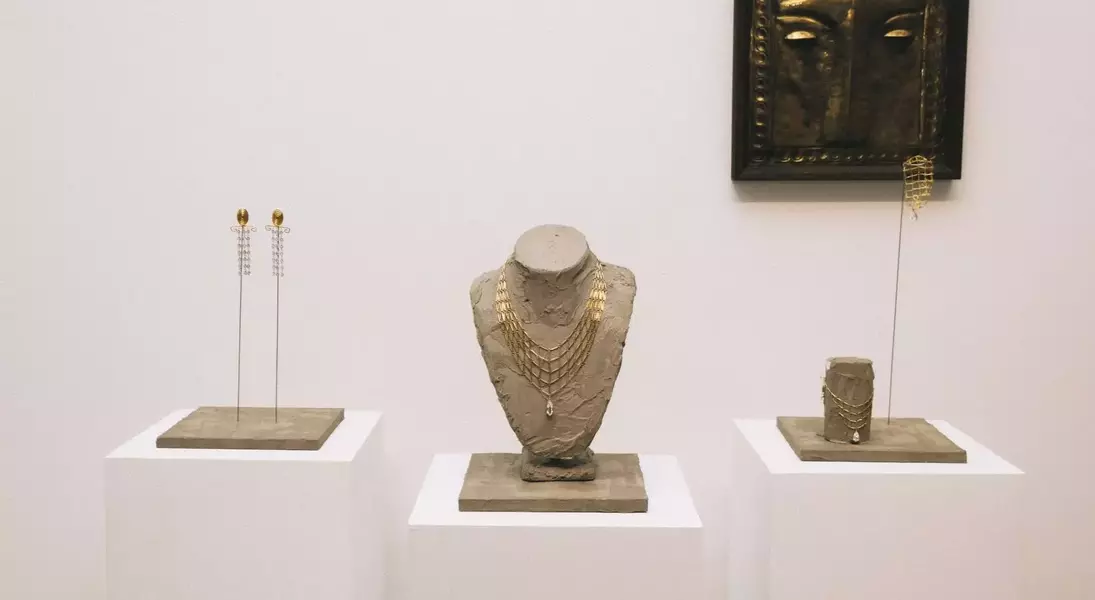
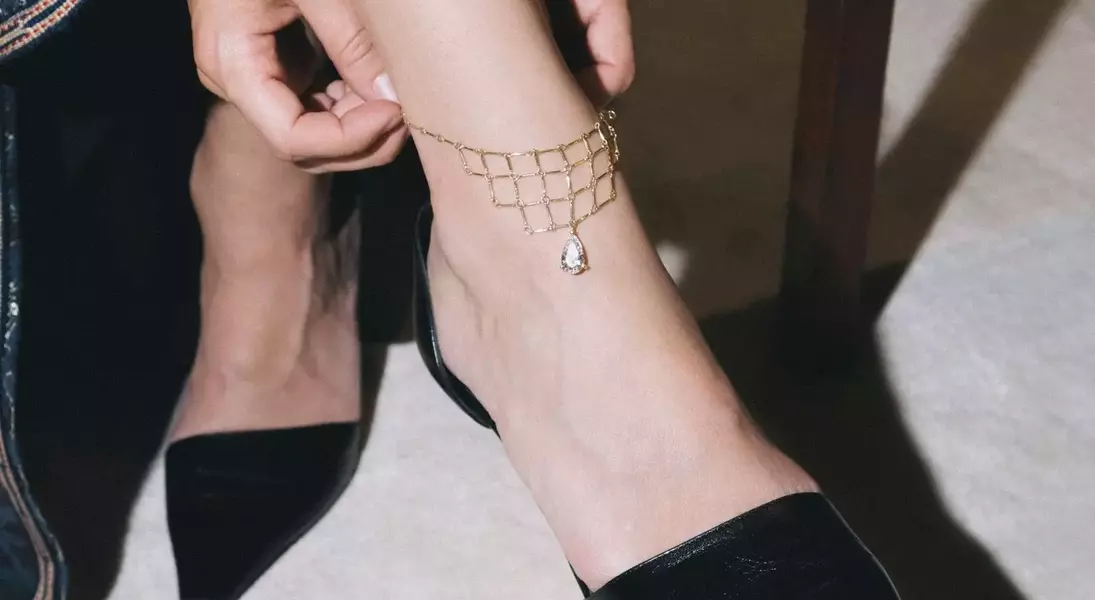
The highlight of Juju Vera's presentation was the unveiling of her high jewelry collection, which instantly captivated attendees. Among these exquisite pieces were three items—an ear cuff, an anklet, and a necklace—all crafted from gold and designed to resemble a delicate fishing net, each featuring a prominent diamond drop. The ear cuff alone was the culmination of over a year of engineering, demonstrating Ferentinos's dedication to precision and artistry. The anklet was meticulously designed to ensure the diamond gracefully rested on the wearer's metatarsals, enhancing its allure. Ferentinos also previewed a luxurious silk and velvet shawl, signaling the brand's future expansion into new product categories. She expressed her vision for Juju Vera, stating that the brand aims to create elegant accessories for the modern woman, drawing inspiration from iconic figures like Maria Agnelli, Maria Callas, and Jacqueline de Ribes, who curated their unique styles through extensive world travels and distilled their experiences into personal fashion statements.
These presentations at New York Fashion Week not only celebrated the artistic achievements of Milamore and Juju Vera but also underscored the evolving landscape of jewelry design. Both George Inaki and Juju Ferentinos brought forth collections that transcended mere aesthetics, imbuing their pieces with profound personal and cultural narratives. Their work, characterized by exceptional craftsmanship and thoughtful conceptualization, firmly established them as significant voices among the new wave of designers, promising a future where jewelry serves as both an adornment and a storytelling medium, enriching the wearer's identity and connection to heritage and self-discovery.
