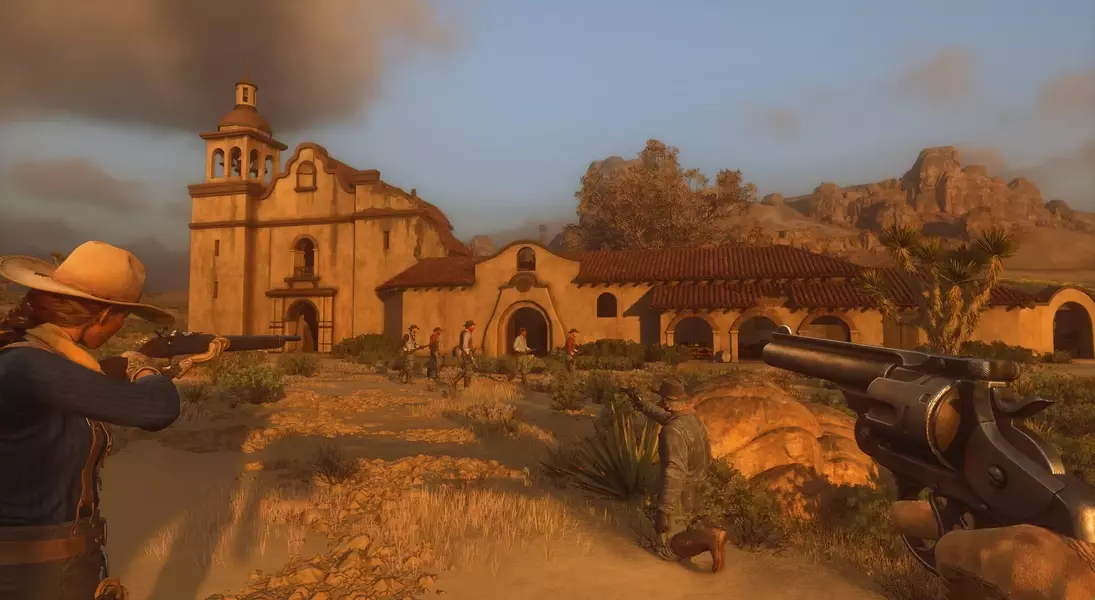
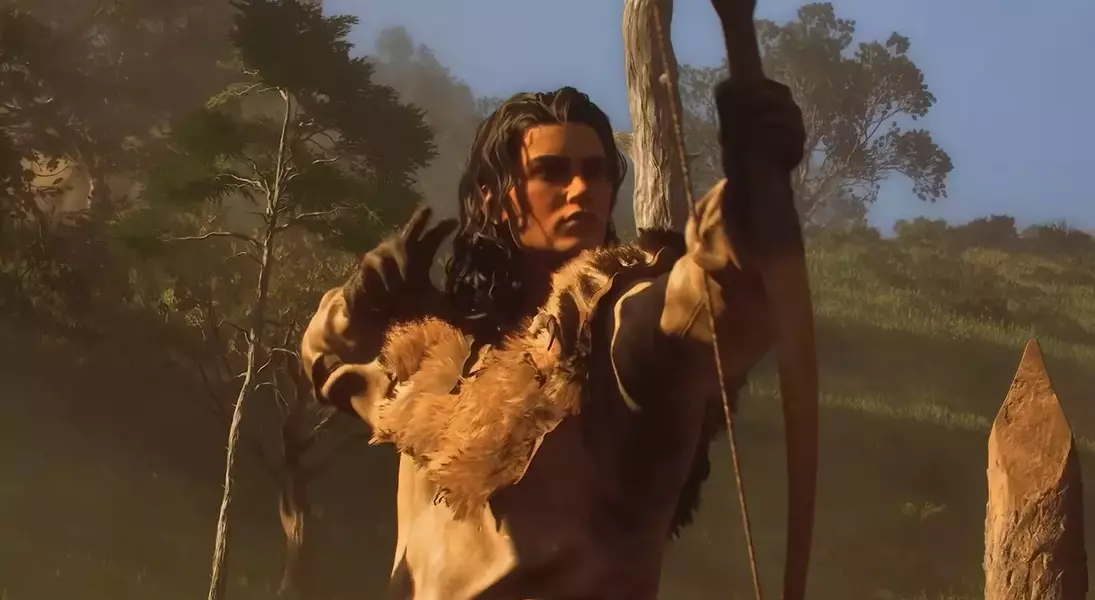
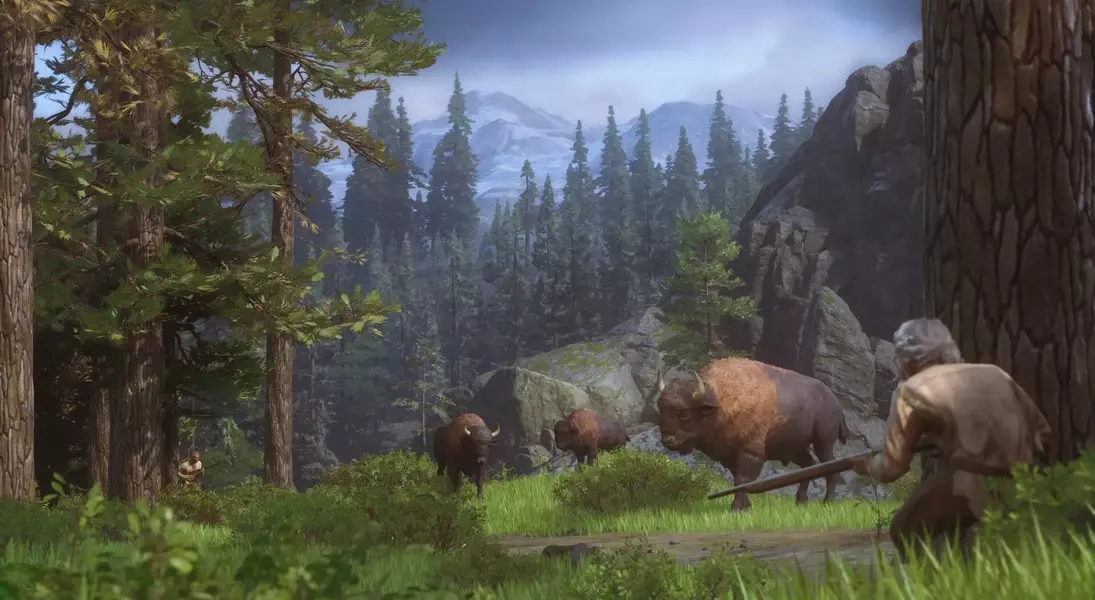
In a recent candid discussion, Jeff Kaplan, the creative force behind Kintsugiyama's highly anticipated project, "The Legend of California," shed light on numerous facets of the game, responding to a flurry of questions in a rapid-fire interview. Set against the vibrant backdrop of California's 1849 Gold Rush, this title promises an immersive open-world survival experience. Kaplan clarified that while it’s an FPS, it’s neither a simulation game nor a traditional MMO, carving out its unique niche in the genre.
Players can look forward to a sandbox environment where the essence of cowboy life reigns supreme. Activities range from trading and fishing to mining, horseback riding, and even establishing a ranch anywhere in the expansive world. Kaplan highlighted the inclusion of private servers, offering a Player-versus-Environment (PvE) option, a stark contrast to the lawless public servers accommodating up to 100 players where combat, even against horses, is fair game. However, a notable exception is the indestructibility of player-built structures, a design choice Kaplan wryly noted was not to his personal preference as a "Rust player." Monthly server resets will ensure dynamic gameplay, with strongholds relocating and gear resetting, though unlocks remain persistent.
The Dynamic World of "The Legend of California": Gameplay and Design
The core vision for "The Legend of California" revolves around offering a dynamic and engaging open-world survival experience rooted in the Gold Rush era. Players are immersed in a Wild West sandbox where they can choose their path, whether it's through economic pursuits like trading and mining, or more active roles like exploring and building. The game actively promotes player interaction, albeit with distinct rules for public and private servers, allowing for both intense competitive play and more relaxed cooperative experiences. This approach aims to keep the gameplay fresh and unpredictable, encouraging diverse strategies and emergent narratives within the community.
Kaplan elaborated on the game's unique design philosophy, emphasizing freedom and consequence. While public servers foster a high-stakes environment where players can engage in combat, even targeting other players' mounts, private servers offer a customizable, safer space for those preferring to focus on building and exploration without direct conflict. The decision to make player-built structures immune to destruction was a deliberate one, even if it diverges from Kaplan's personal preference for base raiding. This ensures a more stable and less frustrating building experience for players. Furthermore, the innovative monthly server reset system, which preserves player unlocks while shifting points of interest and resetting gear, is designed to prevent stagnation and provide a constantly evolving world, encouraging players to adapt and re-engage with the environment regularly.
Future Horizons and Long-Term Vision for the Game
Looking ahead, Kaplan shared an ambitious roadmap for "The Legend of California," envisioning a continuous evolution of content and features. While acknowledging the financial constraints of an indie studio, he expressed a desire to integrate elements like seasonal events, companion animals, and even horse breeding into future updates. Despite the game's eventual status as a live-service title, Kaplan aims to distance it from the negative connotations often associated with the model, focusing instead on consistent, quality updates that enhance the player experience. The development process is meticulous, with at least two more alpha phases planned before the game transitions to early access, underscoring a commitment to polish and player feedback.
Kaplan's long-term aspiration for "The Legend of California" is nothing short of a "dream game" that could theoretically be supported indefinitely. This perspective highlights a dedication to creating a rich and evolving world that keeps players invested for years to come. While acknowledging the practical challenges, including budget limitations, he remains optimistic about introducing a variety of features post-launch, such as interactive holiday events, customizable pets, and an intricate horse breeding system. The cautious approach to labeling it a "live service" game reflects a desire to manage player expectations and emphasize a commitment to continuous, meaningful content additions rather than a mere transactional model. The extensive alpha testing phase before early access demonstrates a methodical development strategy, ensuring a robust foundation and incorporating community feedback to shape the game's future direction.
