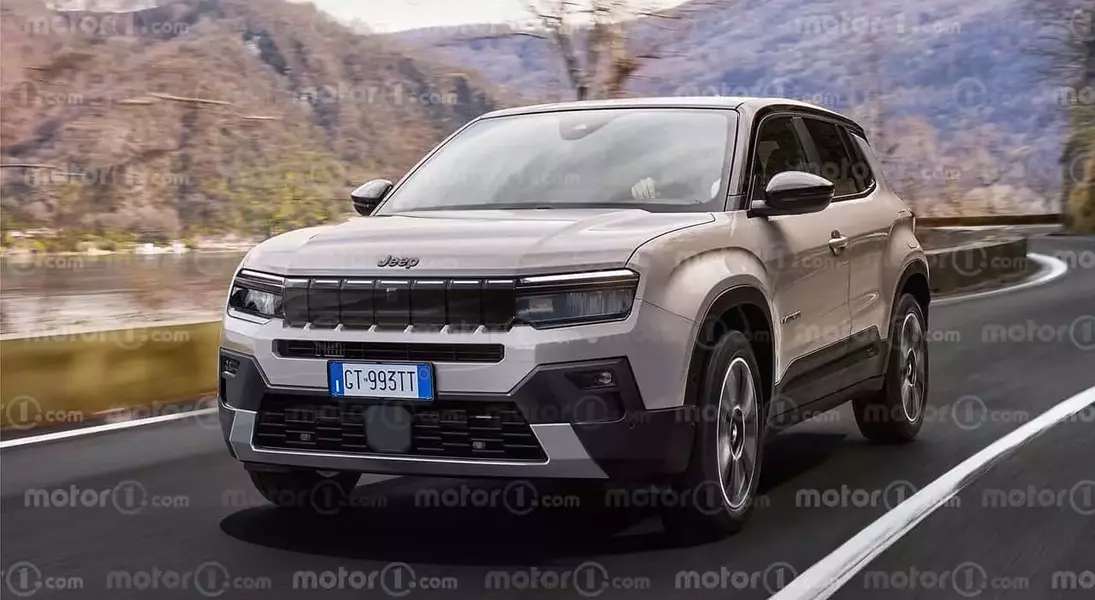
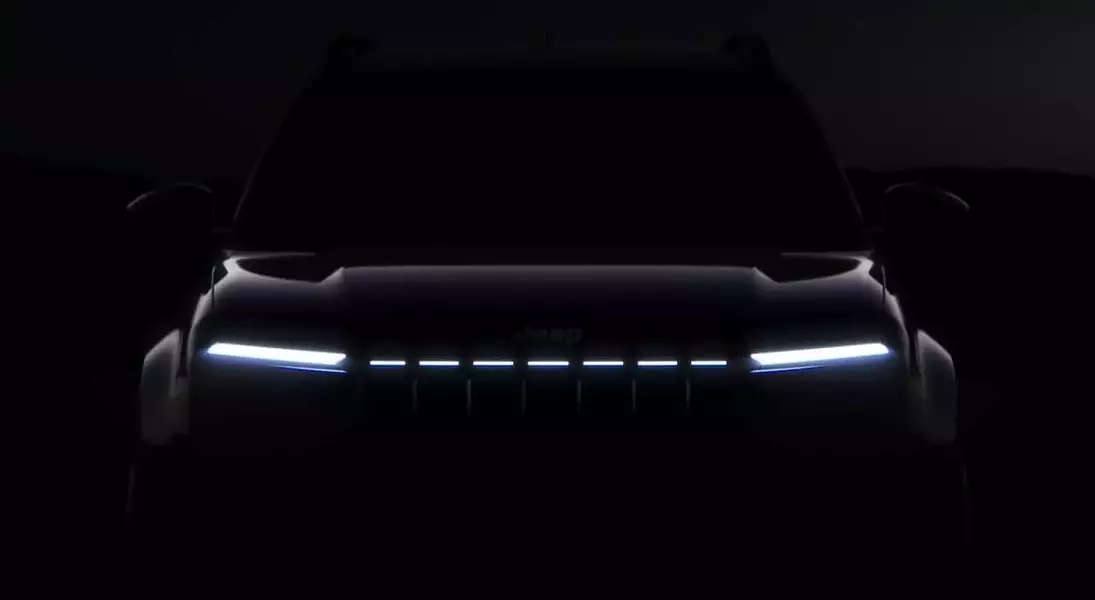


Jeep is set to unveil an enhanced iteration of its compact Avenger SUV, a vehicle that has achieved significant sales success in Europe since its introduction in 2022. This refresh will bring subtle yet impactful design revisions, notably an innovative illuminated grille, alongside potential technological advancements within the cabin. Despite these updates, the core powertrain options are anticipated to largely carry over, maintaining the Avenger's appeal while striving for increased efficiency, especially in its electric variant. This strategic update aims to sustain the model's competitive edge in the rapidly evolving automotive market, offering a blend of familiar rugged aesthetics and contemporary features.
The forthcoming Jeep Avenger facelift signals a thoughtful evolution rather than a complete overhaul, reflecting the model's strong performance and popularity. The focus remains on refining its exterior appearance, introducing modern lighting elements, and enhancing the interior with updated technology. While the European market eagerly awaits its late 2026 reveal, the Avenger continues to solidify its position as a key player in the crossover segment, combining Jeep's iconic design language with the demands of modern efficiency and connectivity.
Anticipated Design Enhancements
The revamped Jeep Avenger is poised to introduce aesthetic refinements, primarily concentrating on its front and rear fascias. A standout feature is the integration of an illuminated seven-slot grille, a distinctive design element that pays homage to Jeep’s heritage while embracing modern lighting trends. This grille, now serving more as a stylistic signature than a functional vent, will incorporate horizontal illuminated segments for a contemporary look. Complementary updates are expected for the vehicle’s lighting, promising a more recognizable and sophisticated LED signature at the front, with similar design cues potentially extending to the taillights for a cohesive and refreshed rear profile.
These exterior modifications aim to subtly modernize the Avenger's appearance without straying from its established and popular design. The refreshed front-end styling, characterized by the illuminated grille and updated LED lighting, will contribute to a more distinctive visual presence. Furthermore, minor adjustments to the rear, such as revised taillight graphics and a slightly more angular design, will ensure the updated Avenger maintains a fresh and appealing aesthetic. These careful design evolutions are crucial for a model that has already garnered significant attention and sales in the competitive European crossover market, ensuring it remains a visually appealing option for consumers.
Technological Refinements and Powertrain Continuity
While external changes are noteworthy, the interior of the updated Jeep Avenger is also expected to receive meaningful technological upgrades. Although specific details regarding the cabin remain under wraps, indications suggest that the existing dashboard layout will be retained, but with an emphasis on enhancing the user experience. This includes a projected increase in the size of the central display, currently measuring 10.25 inches, which will likely be paired with advanced software features and more refined interior materials. These enhancements are designed to keep the Avenger highly competitive in a segment where technological sophistication is increasingly a decisive factor for buyers.
In terms of performance, the engine lineup for the refreshed Avenger is anticipated to largely mirror the current offerings, encompassing gasoline, mild-hybrid, and all-electric powertrains. Rather than introducing entirely new engine options, Jeep is expected to concentrate on refining the efficiency of these existing configurations. A key area of improvement will be the all-electric variant, where efforts will be made to slightly extend its driving range, catering to the growing demand for more capable zero-emission vehicles. This approach underscores Jeep's commitment to delivering a modern driving experience that balances traditional power options with evolving electric vehicle technology, while maintaining competitive pricing around €25,000 for non-electrified models.
