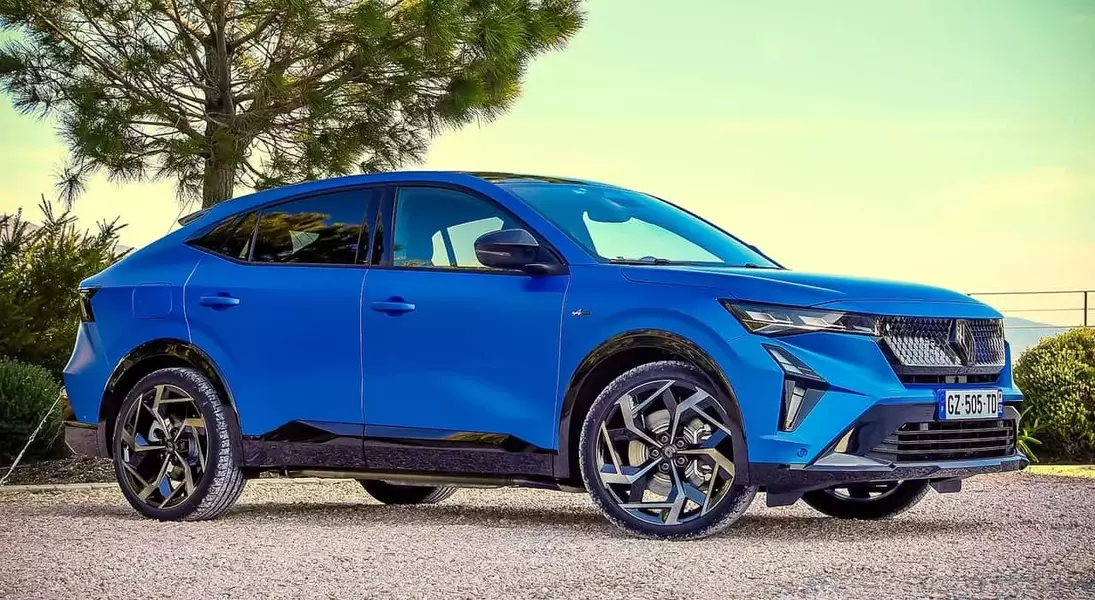
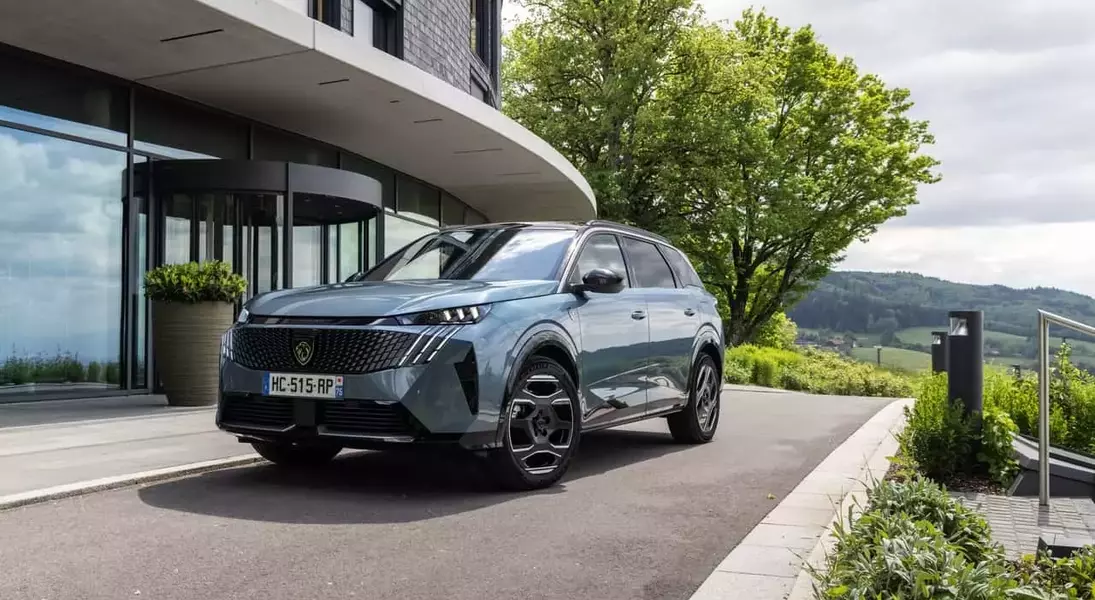
In recent years, the automotive landscape has seen a growing trend where Sport Utility Vehicles (SUVs) shed their traditional robust, boxy forms in favor of more streamlined, coupe-inspired aesthetics. This evolution, characterized by sloping rooflines, sleek rear profiles, and more compact dimensions, has often diluted the very essence of what an SUV represents. However, amid this prevailing design philosophy, certain models are emerging that signal a conscious return to the authentic and functional roots of SUV design. This movement re-establishes the SUV's identity, prioritizing practicality and a strong, purposeful stance over purely aesthetic compromises that can undermine its core utility.
This re-evaluation of SUV design principles is leading to a renewed appreciation for vehicles that overtly express their capabilities and purpose. Such vehicles eschew the desire to blend into other segments, instead celebrating their inherent ruggedness and versatility. This shift suggests a more honest approach to automotive styling, where form directly follows function. The re-emphasis on clear, sturdy proportions, a commanding road presence, and design elements that reflect real-world utility marks a significant departure from the trend of SUVs attempting to emulate sporty car designs, thereby reaffirming their unique position in the automotive market.
The Compass: Embracing its True SUV Nature
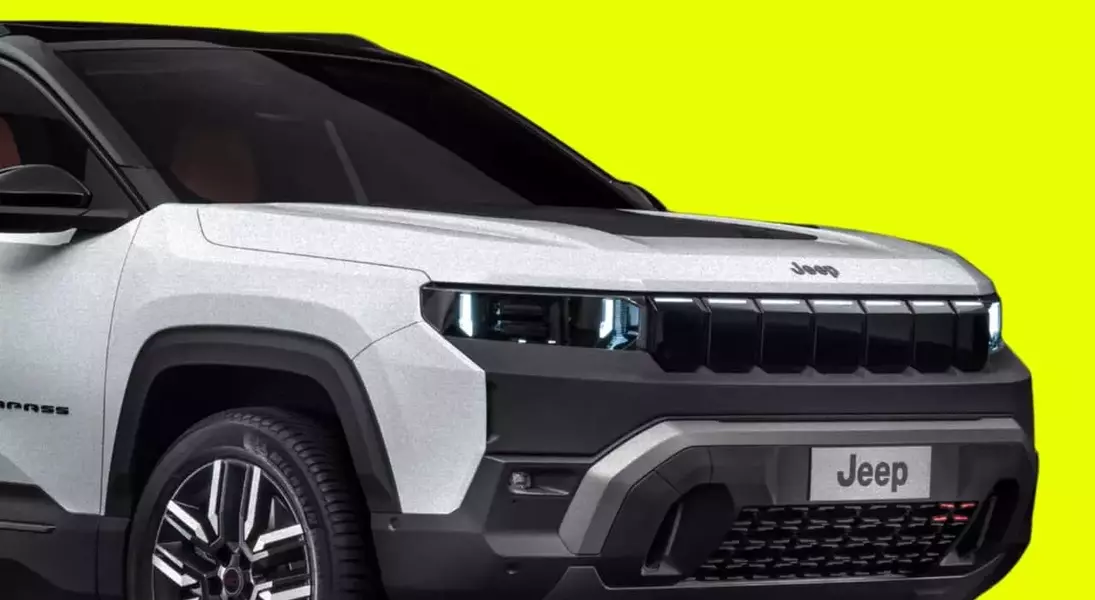
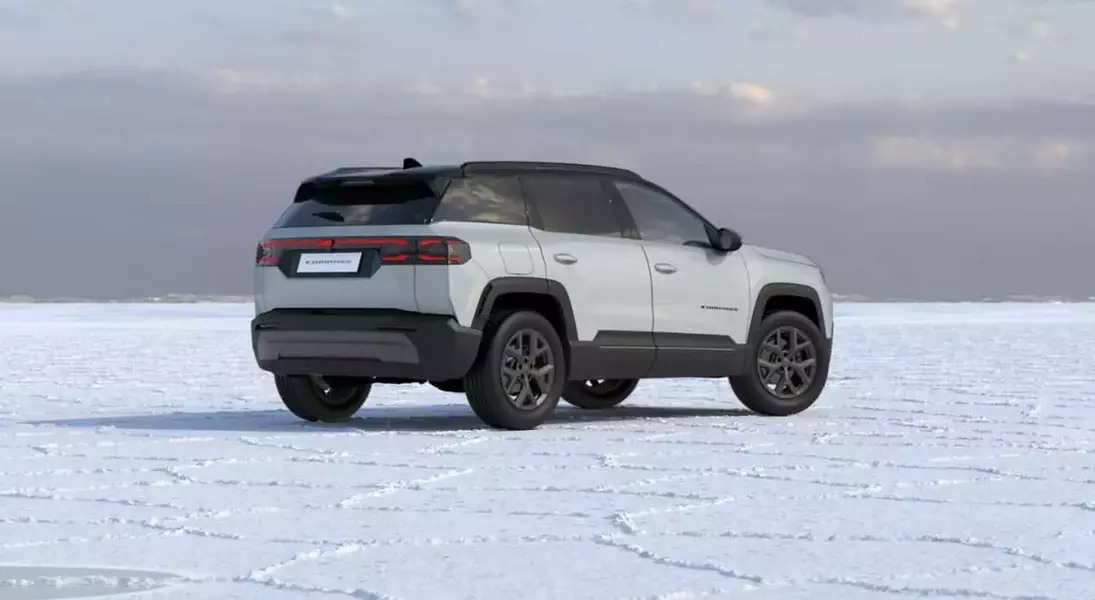
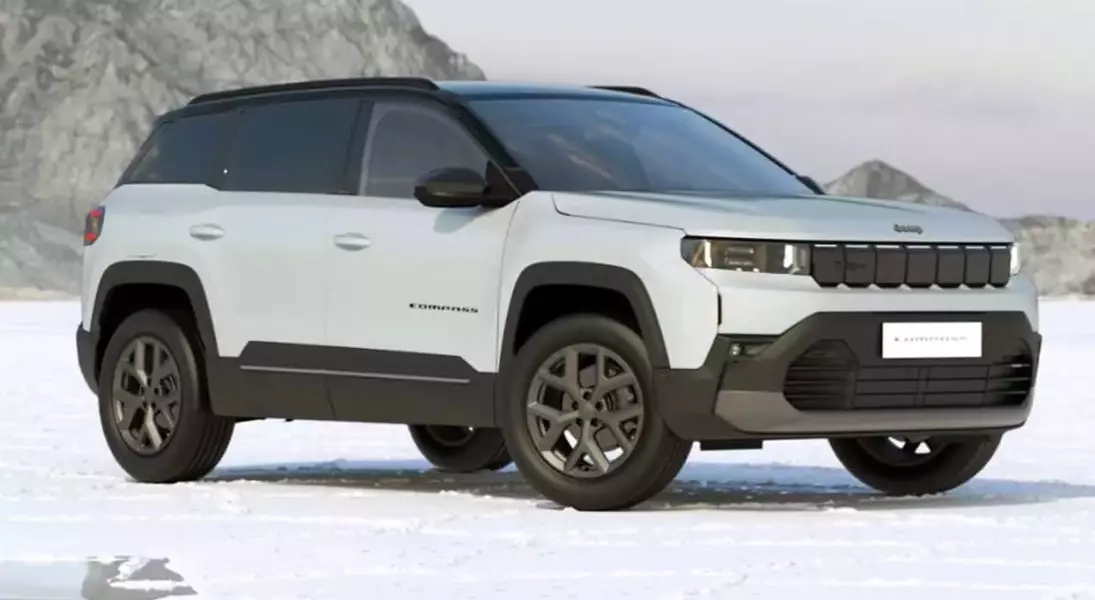
The latest iteration of the Jeep Compass epitomizes this resurgence of honest SUV design, distinguishing itself from a market saturated with vehicles that blur the lines between SUVs and sportier, more aerodynamic coupes. Its design philosophy boldly embraces the foundational characteristics of an SUV, foregoing the sleek, tapering lines often seen in crossover-coupe hybrids. The front fascia exudes a sense of unwavering strength, complemented by an overall upright silhouette and pronounced wheel arches that clearly communicate its off-road pedigree. This robust aesthetic, ingrained in Jeep's heritage, continues to define the Compass, solidifying its identity as a genuinely tough and capable vehicle.
Jeep deliberately highlights this model's commitment to its heritage, underscoring its inherent capability, practical everyday functionality, and unmistakable styling. This approach stands in stark contrast to the common practice of designing SUVs to appear swift even when stationary, a trait that often sacrifices interior space and utility for perceived sportiness. The Compass, however, prioritizes a spacious interior, practical design elements, and a commanding presence that clearly conveys its readiness for varied terrains and diverse needs. It achieves a balance where enhanced refinement doesn't compromise its fundamental Jeep character, proving that an SUV can evolve without losing touch with its authentic, rugged spirit.
The Re-Emergence of Functional Design in SUVs
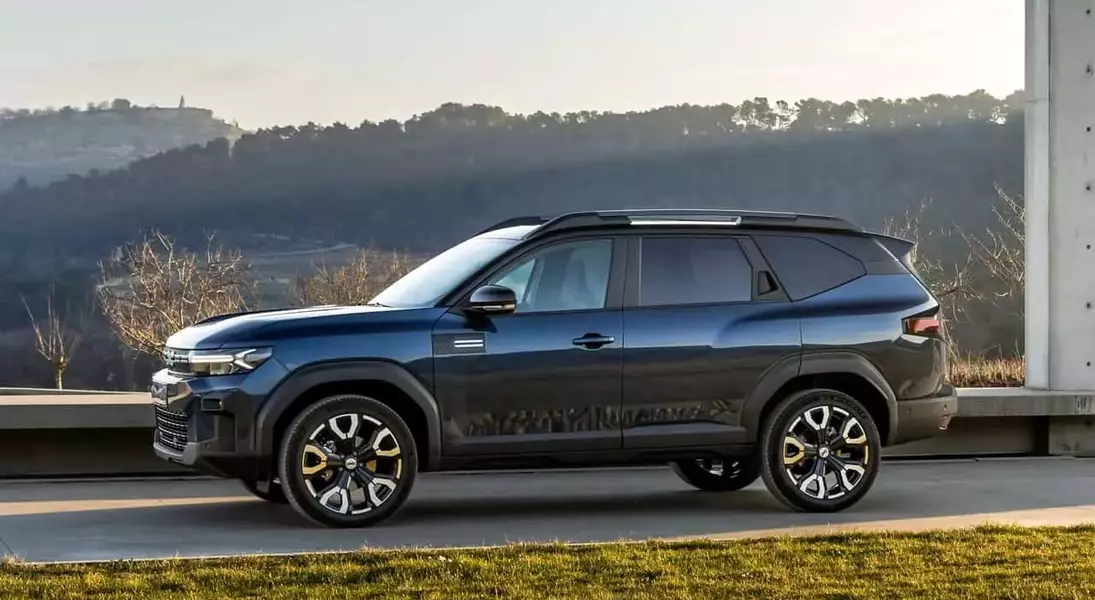
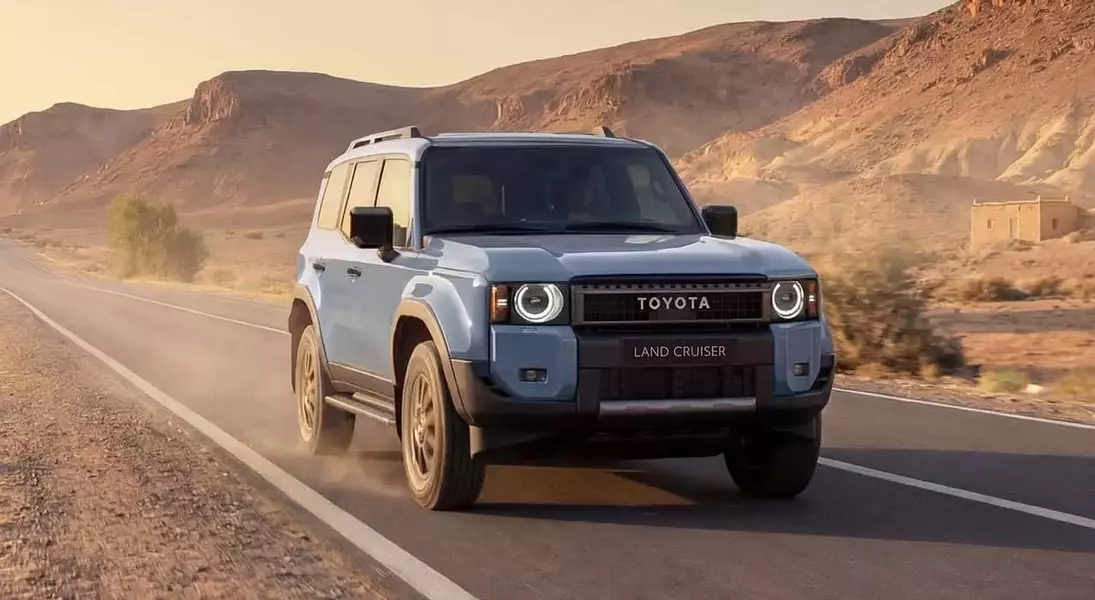
Beyond the Jeep Compass, a broader industry movement is underway, signaling a revival of unpretentious, functional SUV designs. Esteemed models such as the Land Rover Defender, the Toyota Land Cruiser, and even more accessible options like the Dacia Bigster exemplify this trend. These vehicles celebrate their core attributes of practicality, substantial size, and an earnest, purposeful presence, appealing to consumers who value genuine utility over superficial stylistic trends. Their designs are not an attempt to conceal their operational intent but rather to amplify and make visually appealing the very purpose for which they were constructed.
These vehicles, particularly those from brands with a deep-rooted off-road legacy like Land Rover and Toyota, inherently communicate a distinct type of capability. Their robust forms and elevated ground clearances speak volumes about their suitability for challenging terrains, offering a clear contrast to the lower, sleeker profiles that typically suggest a focus on on-road performance. The Dacia Bigster, building on the success of the Duster, further illustrates this evolution. It transforms simple yet honest design language into a more functional and rugged aesthetic, progressively bridging the gap between road-oriented vehicles and the more demanding world of off-roading. This development underscores a growing market demand for SUVs that are both visually appealing and unequivocally functional, offering a refreshing alternative to the increasingly homogenized automotive design landscape.
