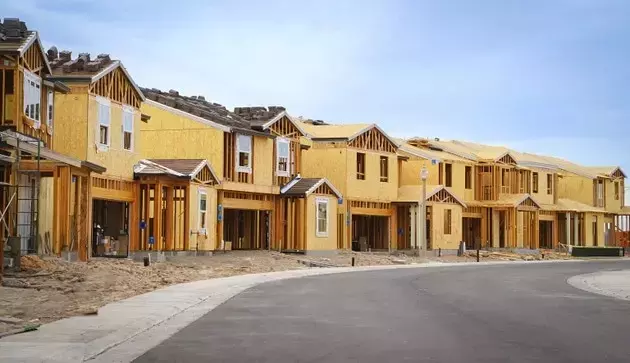
Residential construction activity experienced a notable uptick in January, with housing starts dramatically surpassing expert predictions. This unexpected surge highlights a dynamic and potentially resilient housing market, even as certain segments show varying performance trajectories. The data points towards a nuanced picture of growth, particularly within the multi-family sector, which has demonstrated significant momentum.
January's housing start figures revealed a substantial 7.2% increase, reaching a seasonally adjusted annual rate of 1.487 million units. This impressive jump exceeded the consensus forecast of 1.340 million and represents the highest level observed in nearly a year. This marks the third consecutive month of growth in overall housing starts, indicating a sustained positive trend in the construction sector. The robust performance is particularly significant given the broader economic landscape and previous expectations for a more moderate pace of development.
A deeper look into the January data shows distinct trends within different housing categories. Multi-family building starts were a primary driver of the overall increase, soaring to a seasonally adjusted annual rate of 0.524 million. This represents their highest level since May 2023, underscoring strong demand and investment in this segment. In contrast, single-family housing starts, while still substantial, stood at an annual rate of 0.935 million, suggesting a more tempered growth compared to the multi-family sector.
The unexpected strength in January's housing starts presents a compelling narrative for the construction industry and the broader economy. While single-family home construction remains a significant component, the remarkable growth in multi-family units signals evolving market demands and investment priorities. This sustained upward trajectory, especially after exceeding forecasts, provides valuable insights into the current health and future outlook of the residential real estate market.
