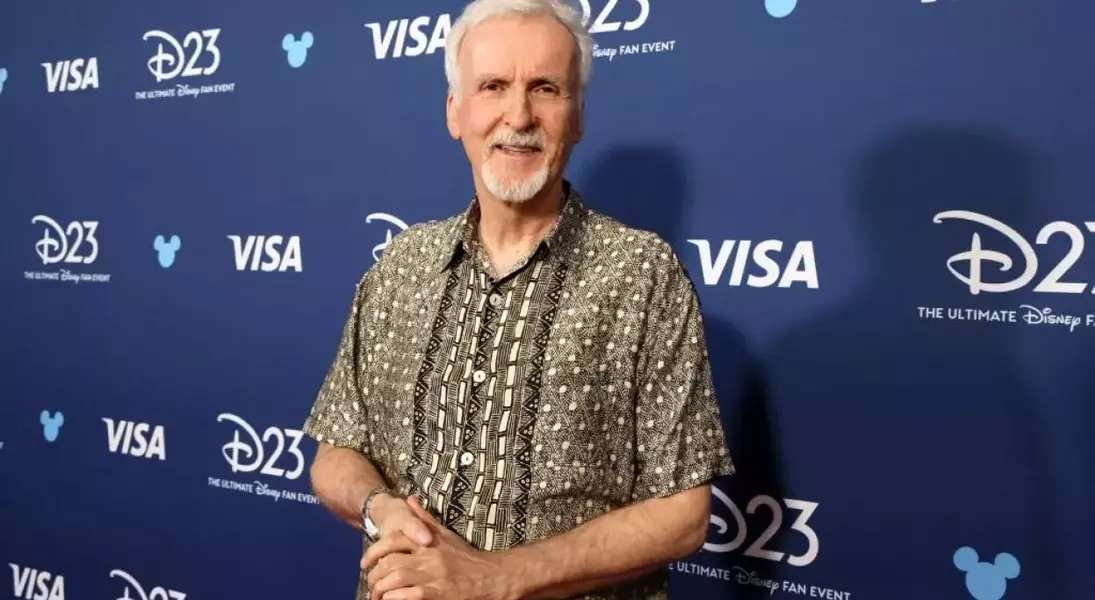
In the evolving landscape of cinematic innovation, James Cameron, a visionary director celebrated for his groundbreaking use of visual effects, has shared his perspectives on generative artificial intelligence. His stance emphasizes that this burgeoning technology, while disruptive, presents a crucial opportunity for creative professionals to enhance their craft rather than be supplanted by algorithms. Cameron's forward-thinking approach, rooted in a career defined by technological pioneering, positions AI as a transformative instrument that artists must actively learn and control to shape the future of storytelling. This perspective stands in contrast to widespread concerns within Hollywood, where the emergence of AI has often been met with apprehension and calls for strict regulation.
The celebrated 70-year-old director, whose filmography includes blockbusters like Titanic and the Avatar saga, recently articulated his views on generative AI in conversations with Screen Daily, an international publication focused on the film industry. Cameron underscored the urgency of confronting the AI issue, stating, \"It is critical that we master it and control it so that it remains an artistic tool and it doesn’t replace artists.\" This sentiment reflects his consistent engagement with cutting-edge visual effects throughout his career, from the pioneering CGI in Terminator 2 to the advanced performance capture and 3D filmmaking techniques showcased in Avatar.
Cameron further elaborated on his vision during an appearance on the Boz to the Future podcast, suggesting that generative AI could be instrumental in dramatically lowering the expenses associated with producing visually intensive films, citing productions such as Dune as examples. However, he was quick to clarify that this cost reduction should not translate into job displacement for human talent. Instead, he envisions AI accelerating workflows, allowing visual effects artists to complete tasks more rapidly and then transition to other creative endeavors. \"That’s about doubling their speed to completion on a given shot, so your cadence is faster and your throughput cycle is faster, and artists get to move on and do other cool things,\" he explained, outlining a future where AI empowers human creativity rather than diminishing it.
This nuanced viewpoint from a figure renowned for pushing technological boundaries resonates differently in an industry grappling with the implications of AI. While past innovations like CGI and motion capture inherently relied on human input for their artistic execution, some proponents of generative AI envision a future where machines can independently write scripts or produce films. This distinction highlights the ongoing debate within the entertainment sector, where unions like SAG-AFTRA are actively negotiating with major studios regarding the ethical and practical integration of AI. Cameron's call to master this new domain, rather than fear it, suggests a path forward where technological advancement serves artistic expression under human guidance, navigating what he describes as the current \"wild west\" of artificial intelligence with foresight and purpose.
Ultimately, Cameron’s insights suggest that the entertainment industry’s most impactful response to generative AI lies not in resistance, but in proactive engagement and skillful command. By empowering creators to harness AI’s capabilities responsibly, the potential for innovation remains boundless, allowing technology to serve as an ally in pushing the boundaries of cinematic artistry.
