Jaguar is undergoing a significant transformation, abandoning its previous approach of competing directly with established German luxury car manufacturers. This reorientation comes after a period of commercial struggles and a realization that the former strategy was unsustainable. The company is now setting its sights on a more exclusive, ultra-luxury market segment, aiming to carve out a unique identity and enhance profitability.
Embracing a New Era: Jaguar's Vision for Ultra-Luxury
The Genesis of Change: Recognizing Past Missteps
For a considerable period, Jaguar pursued a strategy centered on rivalling prominent German automakers within the premium vehicle category, offering a range that included opulent sedans, sport utility vehicles, and high-performance sports cars. However, this competitive stance proved ineffective, as the British marque consistently lagged behind its European and Asian counterparts in sales and market penetration. This ongoing challenge highlighted the urgent need for a fundamental shift in business direction.
The Unsuccessful Pursuit of Volume: A Look at Sales Figures
Before the widespread disruptions caused by the pandemic and subsequent global economic downturn, Jaguar's sales performance in the United States in 2019 reached a modest 31,051 units, marking only a marginal increase from the previous year. This figure pales in comparison to the sales volumes achieved by its rivals. For instance, in the same year, BMW recorded 324,000 vehicle sales, while Mercedes-Benz led the U.S. luxury market with over 357,000 units sold. Lexus secured the third position with close to 300,000 sales, demonstrating a market dominance ten times greater than Jaguar's. Even Audi surpassed Jaguar, selling more than 210,000 vehicles.
Acknowledging the Commercial Failure: A candid Admission
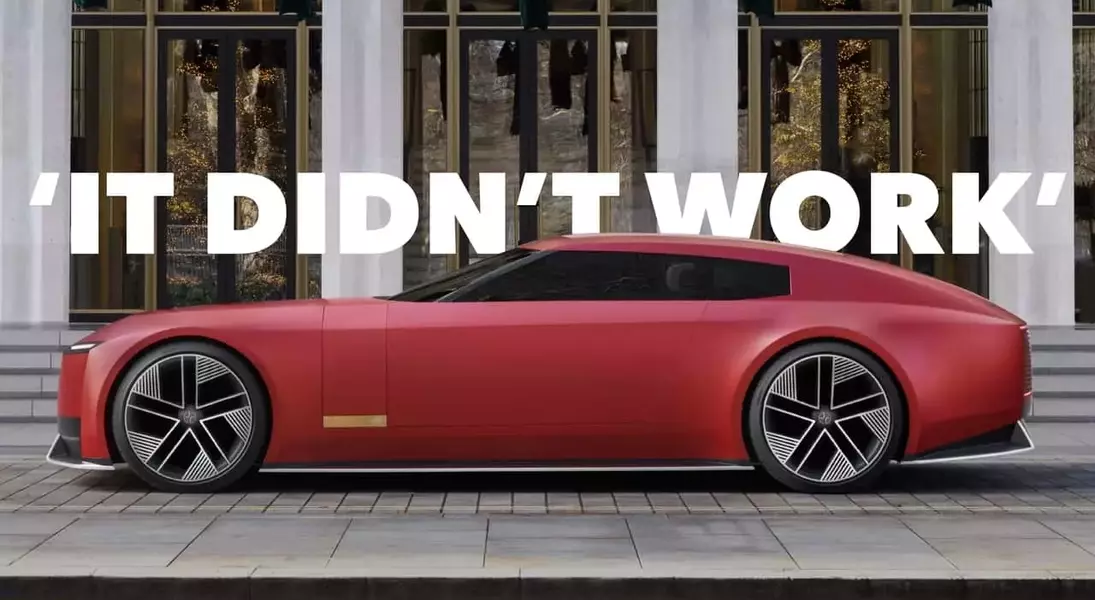
The ambitious attempt by Jaguar to challenge the dominance of German automakers in the mass-market luxury segment ultimately faltered. Rawdon Glover, Jaguar's managing director, openly acknowledged in a discussion with Top Gear that the brand's prior iteration was not commercially viable as a direct competitor to BMW and Mercedes. He articulated that persisting with the existing framework and merely hoping for increased sales was not a viable path forward for the company.
The Downward Trend: Profitability Concerns Force a Rethink
Following this period, Jaguar's sales continued to decline, reaching critically low figures prior to the discontinuation of its existing product lines. Last year, when the company unveiled its revised strategy, former CEO Adrian Mardell disclosed to investors that the contemporary vehicle lineup was generating "near-zero profitability." Such a financial outlook made it clear that the previous operational model was unsustainable in the long run.
Charting a New Course: The Shift Towards Exclusivity
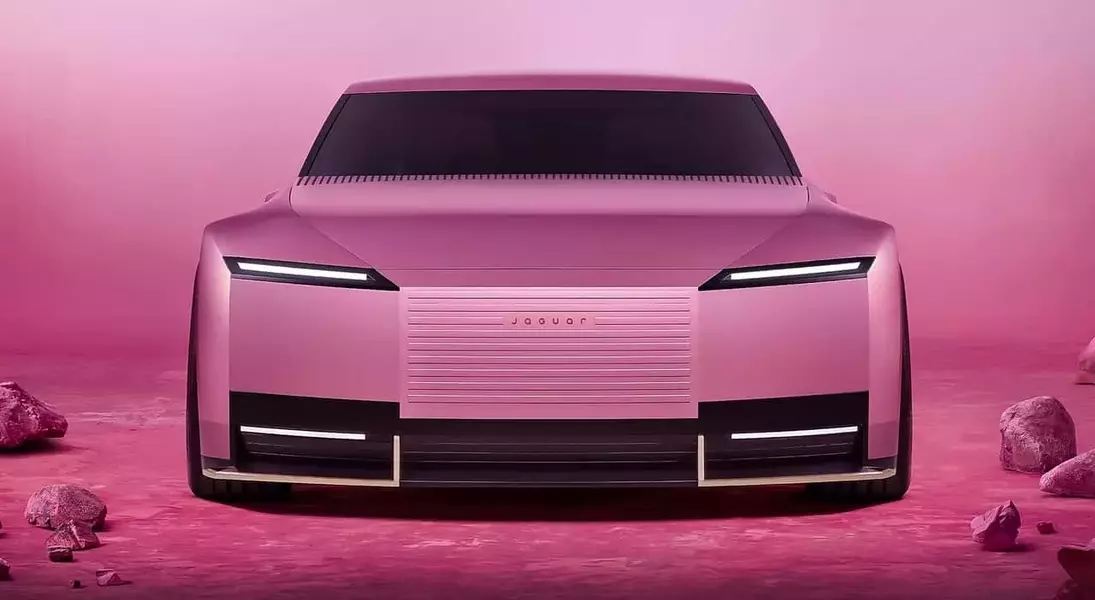
In response to these challenges, Jaguar is now transitioning away from the volume-driven luxury market to explore more lucrative opportunities in the ultra-luxury sector, spearheaded by the innovative Type 00 concept. Glover indicated that the brand identifies a distinct niche for itself, situated between conventional luxury manufacturers like BMW and the pinnacle of automotive extravagance represented by brands such as Rolls-Royce. This repositioning aims to elevate Jaguar's standing and appeal.
The High-Stakes Gamble: Investing in a Premium Future
This bold strategic move by Jaguar, while fraught with considerable risks, is a necessary one given the brand's current standing. With its previous models no longer in production, the company is fully committed to introducing new vehicles to the market that embody its renewed aspirations. Jaguar is targeting an average vehicle price of approximately £120,000, with the launch edition of its next model expected to retail for £140,000 in the UK. These prices translate to roughly $160,000 and $187,000 respectively in the American market, signaling a definitive move into a much higher price bracket.
