Jagex has officially announced a new massively multiplayer online game, tentatively titled "RuneScape 4," at their annual RuneFest convention. This new installment, which surprisingly began its life as a planned expansion for the survival game Dragonwilds, is set to offer a fresh yet familiar experience for fans of the long-running franchise. Drawing inspiration from both RuneScape 3 and the beloved Old School RuneScape, the game aims to merge modern advancements with nostalgic elements. The revelation was accompanied by an exciting teaser trailer, showcasing the game's distinctive art style and hinting at a rich, expansive world built on Unreal Engine. While initially targeting a 2027 release as an expansion, its evolution into a standalone title suggests a comprehensive development, likely pushing back its launch date.
This ambitious project is a direct response to player feedback from Dragonwilds, where playtesters expressed a strong desire for a more traditional MMO experience within that universe's setting. The decision to develop a full-fledged sequel, rather than just an expansion, highlights Jagex's commitment to delivering a product that resonates deeply with its community. "RuneScape 4" is positioned to be a significant leap forward, embracing advanced graphics and gameplay mechanics while preserving the core identity that has captivated millions for over two decades. The anticipation surrounding this announcement underscores the enduring legacy of RuneScape and the excitement for its next major evolution.
The Evolution of RuneScape: From Expansion to Full-Fledged MMO
Jagex, the acclaimed developer behind the enduring RuneScape franchise, recently captivated audiences at its annual RuneFest convention with the official announcement of "RuneScape 4." What makes this revelation particularly intriguing is its origin: the game was not initially conceived as a standalone title but rather as a substantial expansion for Dragonwilds, Jagex's survival game. Player feedback played a pivotal role in this transformation, as testers consistently advocated for a more traditional massively multiplayer online game experience rooted in Dragonwilds' captivating universe. This shift underscores a responsive development philosophy, where community input directly shapes the creative direction of major projects. The move to develop a full sequel signifies Jagex's dedication to building upon its legacy while meeting the evolving desires of its player base, promising a game that feels both new and deeply connected to its predecessors.
The journey of "RuneScape 4" from an expansion to a complete MMO is a testament to the game's burgeoning potential and Jagex's commitment to scaling its vision. Initial plans for the Dragonwilds expansion aimed for a 2027 launch, but the expanded scope of "RuneScape 4" suggests that this timeline will likely be adjusted. The transition to a full game allows for a more comprehensive integration of features, narrative depth, and graphical enhancements, all powered by the robust Unreal Engine. This development path ensures that the new title will not merely be an add-on but a thoroughly realized world, capable of standing alongside its predecessors. By channeling player enthusiasm into a standalone project, Jagex is poised to deliver a game that not only honors the rich history of RuneScape but also pushes the boundaries of what an MMO can be in the modern gaming landscape.
A Visual and Chronological Journey Through RuneScape's Legacy
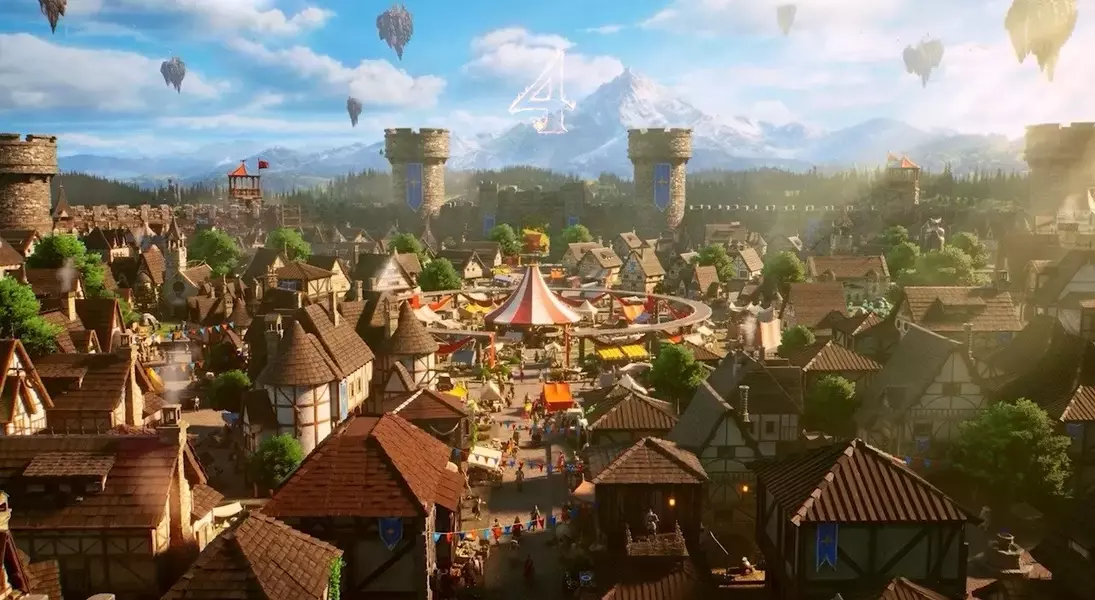
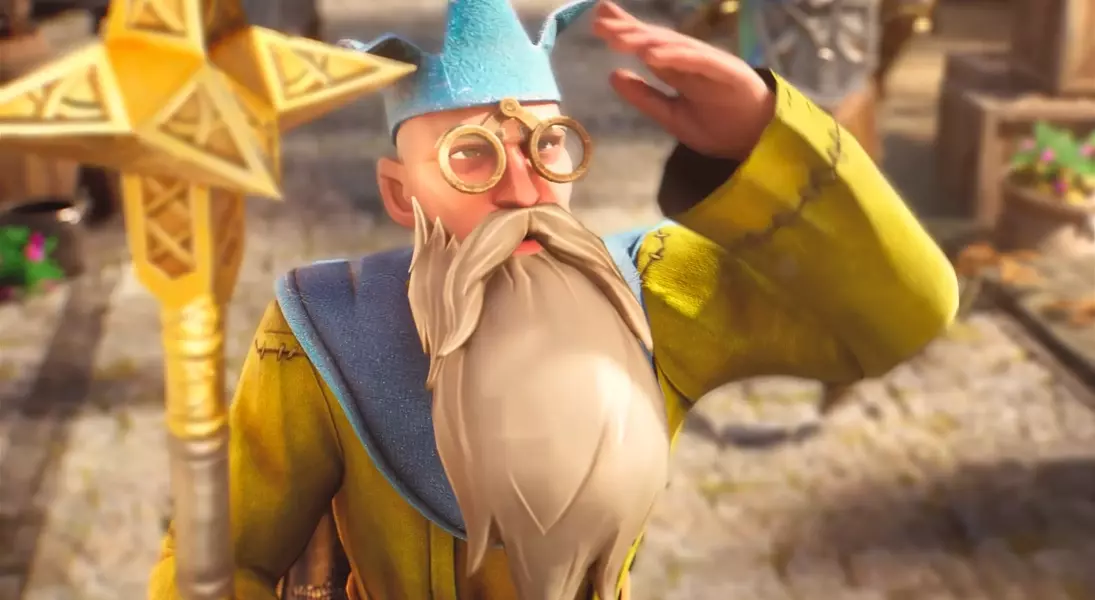
The announcement of "RuneScape 4" at RuneFest was accompanied by a captivating teaser trailer that offered a glimpse into the game's visual identity. The trailer showcased a stunning medieval town nestled within a vibrant valley, characterized by distinctive floating islands—a signature element that blends fantasy with a sense of wonder. Viewers witnessed an adventurer soaring on the back of a dragon, soon confronted by a formidable three-headed dragon, while a wizard observed the unfolding drama from below. The sequence culminated with the wizard extending a welcome to a new adventurer, symbolizing the inviting and expansive nature of the game world. This artistic direction beautifully marries elements of RuneScape 3's overhauled aesthetics with the cherished visual style reminiscent of Old School RuneScape, providing a fresh yet nostalgic experience. The trailer, while brief, successfully conveyed the epic scale and rich lore that players can anticipate from this next chapter in the RuneScape saga.
Understanding where "RuneScape 4" fits into the franchise's extensive history requires a brief overview of its numbered predecessors. The original RuneScape, launched in 2001, laid the foundational groundwork, often referred to as "The Reason for the Season" by fans. Its successor, RuneScape 2, arrived in 2004, introducing a groundbreaking shift to full 3D rendering—a version that later served as the basis for the immensely popular Old School RuneScape, which mirrors the game's state in 2007. RuneScape 3, released in 2013, brought significant overhauls to both art and systems, establishing itself as the main contemporary iteration of the game. With "RuneScape 4" on the horizon, key questions emerge regarding its continuity: Will it seamlessly integrate character progression from RuneScape 3, much like RuneScape 3 did for RuneScape 2? And how will the new title coexist with Old School RuneScape, which remains Jagex's most successful title? These considerations underscore the delicate balance Jagex must strike between innovation and preserving the beloved elements that define the RuneScape experience.
