Jack Kirby's journey from DC Comics back to Marvel in 1976 marked the birth of a unique creation: The Eternals. This cosmic team, first appearing 50 years ago, drew inspiration from Kirby's earlier work on 'The Fourth World' and Erich von Daniken's theories in 'Chariots of the Gods?', blending mythology, science fiction, and ancient alien concepts. Despite a fluctuating publication history and a lukewarm cinematic reception, 'The Eternals' remain a pivotal, if sometimes overlooked, component of the Marvel Universe, offering a distinct narrative that enriches the overarching lore. The series reflects Kirby's signature style, characterized by grand scope, striking visuals, and thought-provoking ideas.
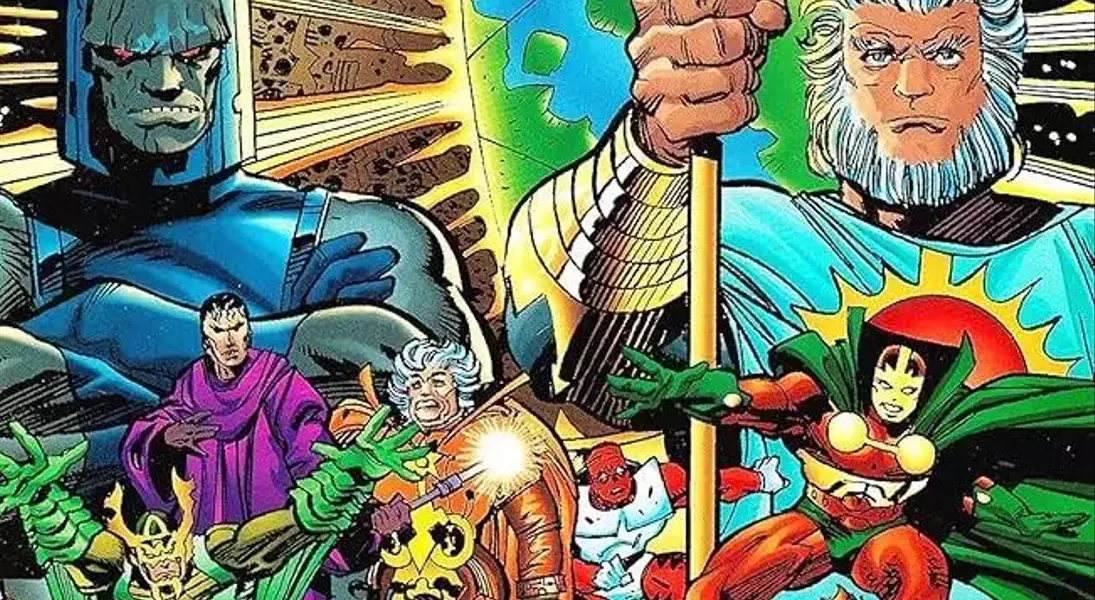
Jack Kirby, a titan in the comic book industry, co-created an array of iconic Marvel characters before his move to DC Comics in 1970. During his tenure at DC, he embarked on his ambitious 'The Fourth World' saga, a cosmic narrative featuring deities intertwined with human history. Upon his return to Marvel in 1976, Kirby channeled similar themes into 'The Eternals'. Both series explore pantheons whose ancient rivalries cast long shadows over the contemporary world, grounded in a fusion of mythological narratives and scientific fantasy. Characters like Sersi in 'The Eternals' and Orion in 'The New Gods' clearly echo figures from Greek mythology, showcasing Kirby's consistent thematic threads.
Despite these parallels, 'The Eternals' carved out its own niche. The series introduced an all-powerful race of beings, genetically engineered by the god-like Celestials. These cosmic architects played a significant role in shaping the Marvel Universe, yet 'The Eternals' original run was unexpectedly brief, concluding with its nineteenth issue. Subsequent attempts to revive the series met with varying degrees of success, often failing to gain lasting traction. This pattern extended to Marvel's cinematic adaptation, which, despite its potential, received a mixed response and stands as one of the franchise's less acclaimed films.
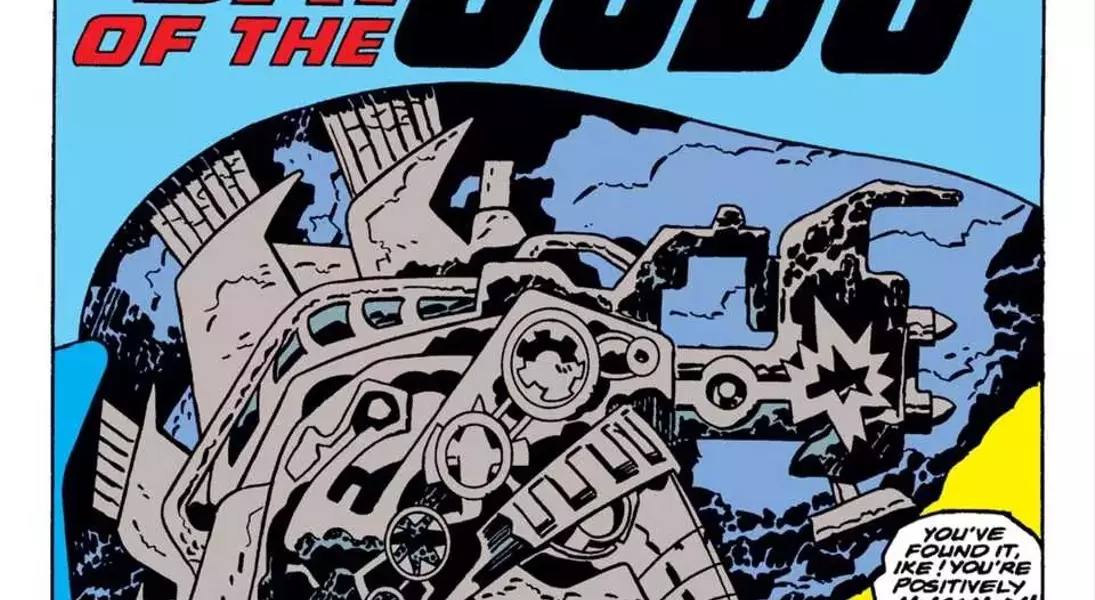
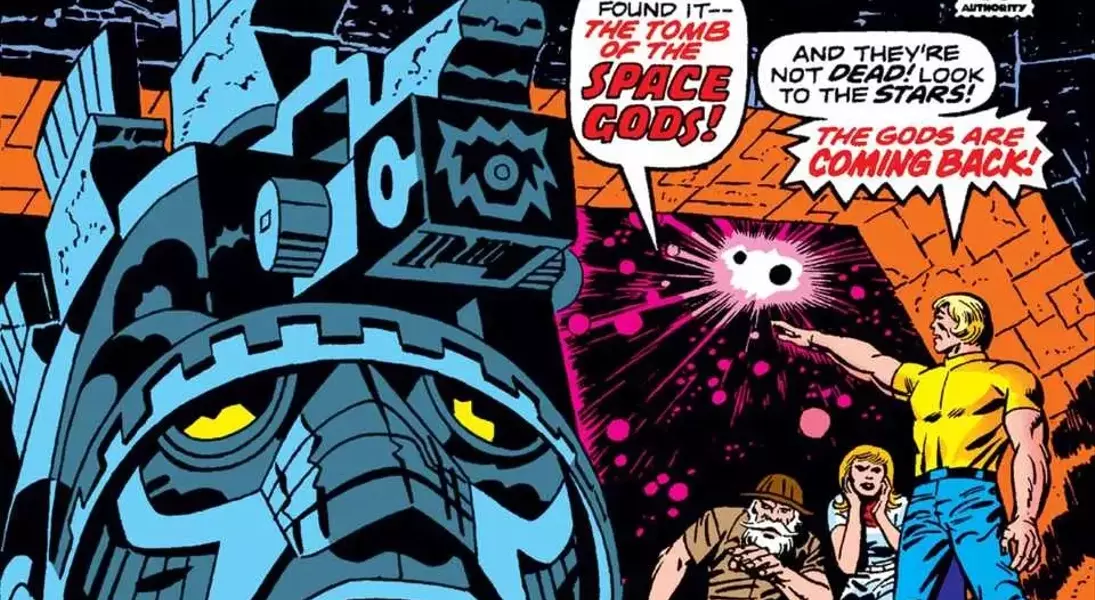
The conceptual framework for 'The Eternals' was deeply influenced by Erich von Daniken's 'Chariots of the Gods?'. This controversial book posited that ancient human marvels, such as the pyramids and Stonehenge, were too advanced for their time and must have been the result of extraterrestrial intervention. While dismissed as pseudoscience by many, these ideas provided a fertile ground for Kirby's storytelling. 'Eternals #1' introduces the audience to Ike Harris, a documentary filmmaker whose monologues directly echo Daniken's theories, as he, alongside archaeologist Daniel Damian and his daughter Margot, uncovers the cosmic origins of humanity in the Marvel Universe. This narrative suggests that the Celestials' ancient experiments on primates led to the creation of three distinct lineages: humanity, the Deviants, and the god-like Eternals.
For new readers seeking to explore 'The Eternals', beginning with Kirby's original series is highly recommended. It stands as one of his most unconventional works, brimming with his signature "Kirby Krackle" artwork and powerful dialogue, even if it wasn't his most commercially successful. For those interested in modern interpretations, the 2021 twelve-issue run by Kieron Gillen and artist Esad Ribić offers a well-regarded contemporary take. This adaptation successfully marries Kirby's grandiose dynamism with more nuanced explorations of ancient beings navigating a modern world, setting the stage for the team's potential future prominence within the Marvel narrative.
Despite the challenges and creative frustrations that have often characterized 'The Eternals' history, the original series remains a fascinating and bizarre read. Its foundational concepts are crucial to understanding the origins of the Marvel Universe. While the team may not have consistently captivated audiences, and future cinematic returns are speculative, their unique contribution to the Marvel canon makes them an enduring and absolutely vital part of the superhero landscape. Their story highlights a continuous exploration of ambitious ideas and cosmic narratives within the Marvel tapestry.
