
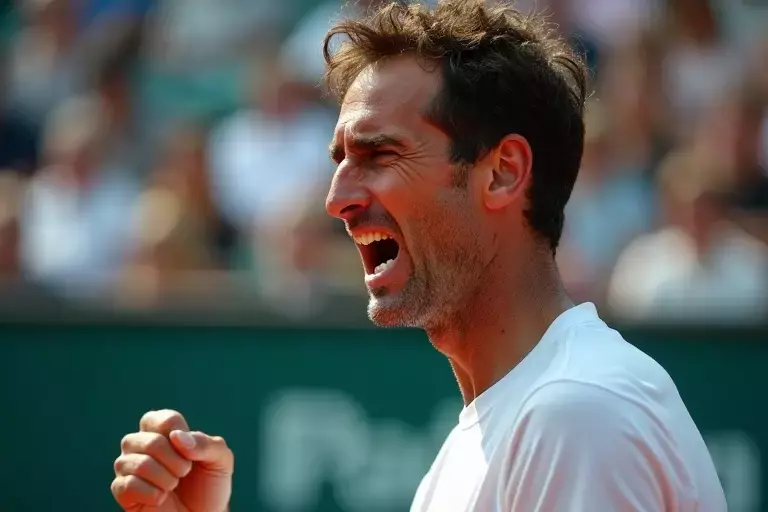
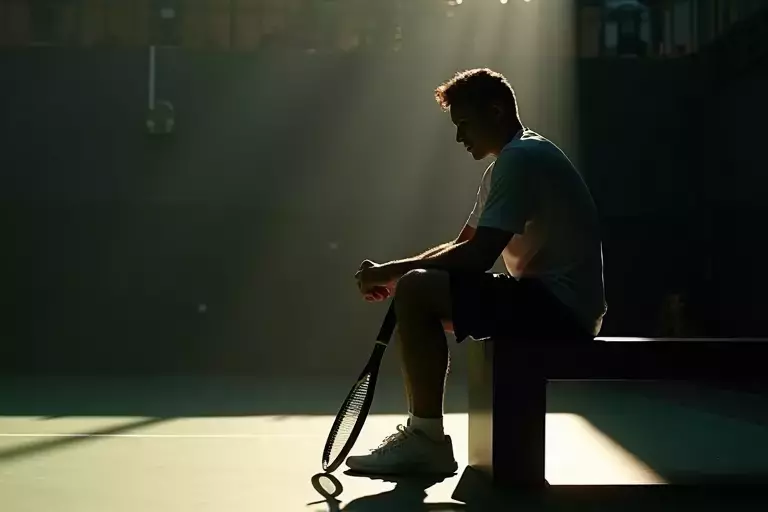

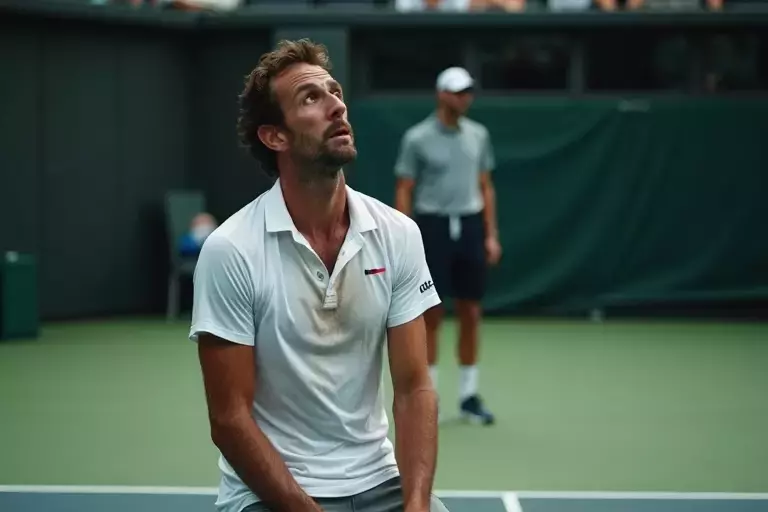
Tennis expert Laura Robson has expressed her views on British tennis sensation Jack Draper, stating that he may be overly critical of himself after his recent loss to Carlos Alcaraz in the Italian Open quarter-finals. Despite a strong performance over the past few weeks, Draper displayed visible frustration during the match. Robson highlights how Draper’s self-assessment immediately after the game shows a relentless focus on improvement but also raises concerns about its psychological toll. Furthermore, she points out the challenges faced when physical fatigue impacts tactical execution.
Analyzing Draper's Mental Approach
Laura Robson emphasizes that while Jack Draper's immediate reflection and critique of his performance are commendable traits for an athlete, they might also take a mental toll. After a series of impressive performances, his tendency to dissect each point could indicate excessive pressure on himself. This habit, though beneficial in fostering growth, can become exhausting if not balanced with self-compassion.
Robson elaborates that Draper's mindset reflects a high level of dedication and commitment to improving his game. However, this relentless pursuit of perfection might hinder his recovery process mentally. She suggests that athletes need time to decompress post-match before delving into detailed analysis. The absence of immediate feedback from his coach, James Trotman, underscores the solitary nature of Draper's reflections. Such introspection, while crucial, should ideally occur after sufficient rest and consultation with mentors to ensure it doesn't deplete his mental reserves further.
The Impact of Physical Fatigue on Tactical Execution
Beyond the psychological aspects, Robson also addresses the influence of physical exhaustion on Draper's gameplay. During matches, especially those as demanding as the Italian Open, maintaining peak physical condition is vital for executing complex strategies. When fatigue sets in, even the most well-planned tactics can falter, leading to increased frustration.
She notes that despite knowing the right moves tactically, players like Draper often find themselves unable to execute them due to depleted energy levels. This was evident in moments during the quarter-final where Draper appeared aware of what needed to be done but struggled physically to achieve it. Robson reassures that such experiences are part of the learning curve for any athlete. Over time, Draper will develop better stamina and resilience, allowing him to maintain both tactical acumen and physical prowess throughout extended tournaments. Understanding and accepting these limitations now will help him refine his approach in future competitions, ensuring sustained success in the long run.
