



The ongoing dispute surrounding footballer Alexander Isak's desire to leave Newcastle United for Liverpool has intensified, highlighting the complexities of player contracts and club management in elite sports. This contentious situation, marked by public declarations and strong counter-statements, has brought to light the underlying tensions between player aspirations and the financial and strategic imperatives of football clubs. The core of the conflict revolves around alleged broken promises of a contract renegotiation, which Isak claims fueled his decision to seek a transfer, a claim Newcastle vehemently denies.
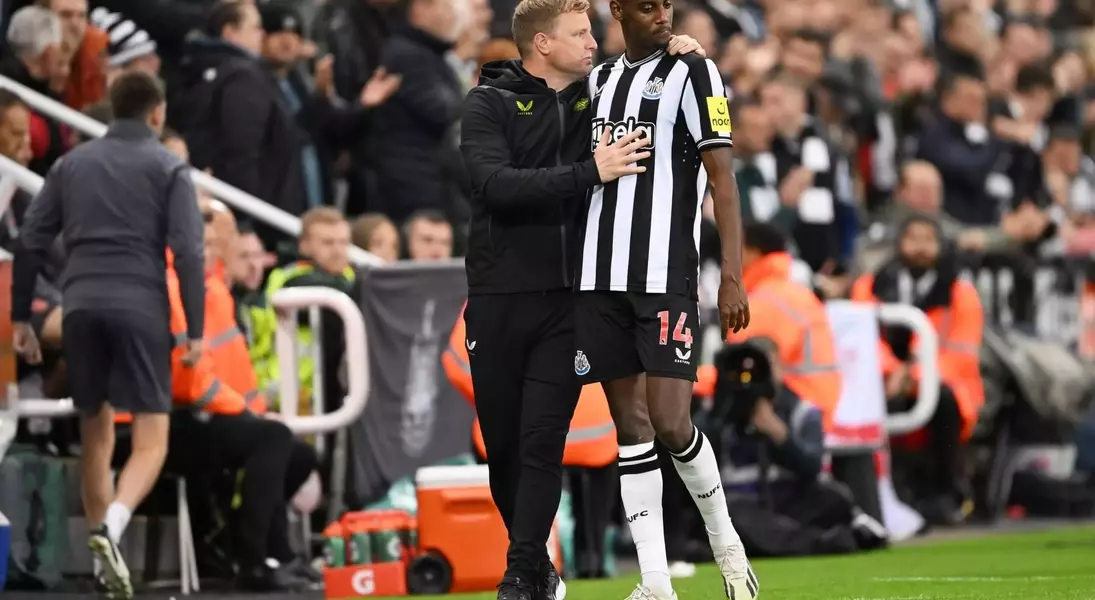
Newcastle United maintains a steadfast position against Isak's departure, especially after his recent public criticisms. The club's leadership, including the influential Public Investment Fund (PIF), views any concession as setting a dangerous precedent for player control and undermining team cohesion. Manager Eddie Howe has attempted to navigate this delicate situation by isolating Isak from the main squad while refraining from direct condemnation, hoping for a future reconciliation once the transfer window closes. However, the club also acknowledges the need for disciplinary action given Isak's recent behavior, which includes not participating in pre-season activities and expressing his desire to leave via social media. This firm stance by Newcastle is driven by a desire to protect their investment in a top-tier player and to signal to other key squad members that the club will not be swayed by player demands for a transfer without meeting specific, rigorous conditions, such as securing adequate replacements and receiving an exorbitant transfer fee.
From a legal and practical standpoint, Alexander Isak's options appear limited, as his current contract with Newcastle United provides the club with significant leverage. Despite his strong desire to move to Anfield and Liverpool's continued interest, the legal framework of his contract binds him to Newcastle unless the club agrees to his transfer. Experts in sports law confirm that breaking a contract without a club's consent is fraught with legal and financial risks for the player. While the situation has strained relationships between Isak and his club, and potentially between Newcastle and Liverpool, the upcoming match between the two clubs is expected to be charged with an added layer of intensity. This ongoing saga serves as a reminder that in the high-stakes world of professional football, ambition and opportunity often collide with contractual obligations and club integrity, creating complex narratives that resonate far beyond the pitch.
This complex situation underscores the critical need for transparent communication and clear contractual agreements within professional sports. While players have legitimate aspirations for career progression and personal fulfillment, these must be balanced with their commitments to their clubs. Similarly, clubs bear the responsibility of fostering environments where players feel valued and respected, ensuring that their actions align with their stated principles. Ultimately, this scenario highlights that true success in professional football is not merely about talent or finances, but also about mutual respect, adherence to agreements, and the collective pursuit of shared goals, fostering a positive and constructive ecosystem for all involved.
