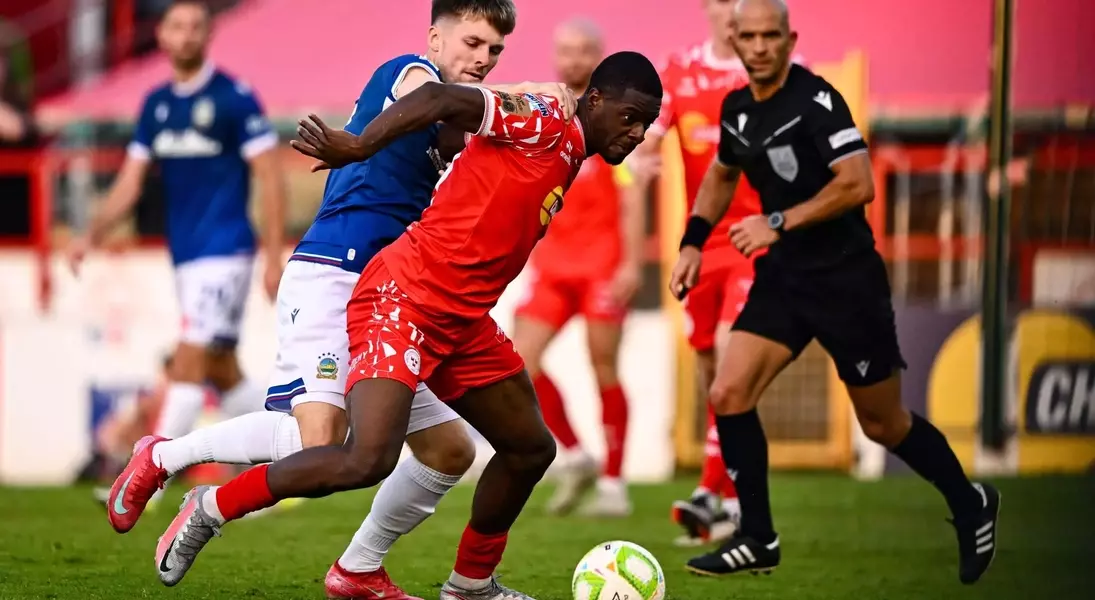
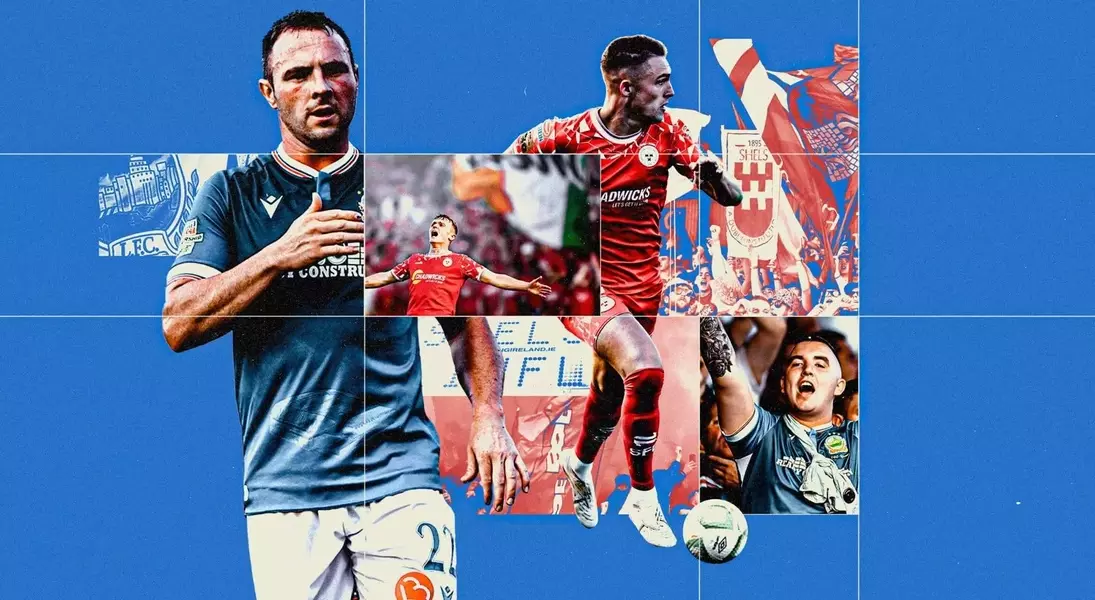
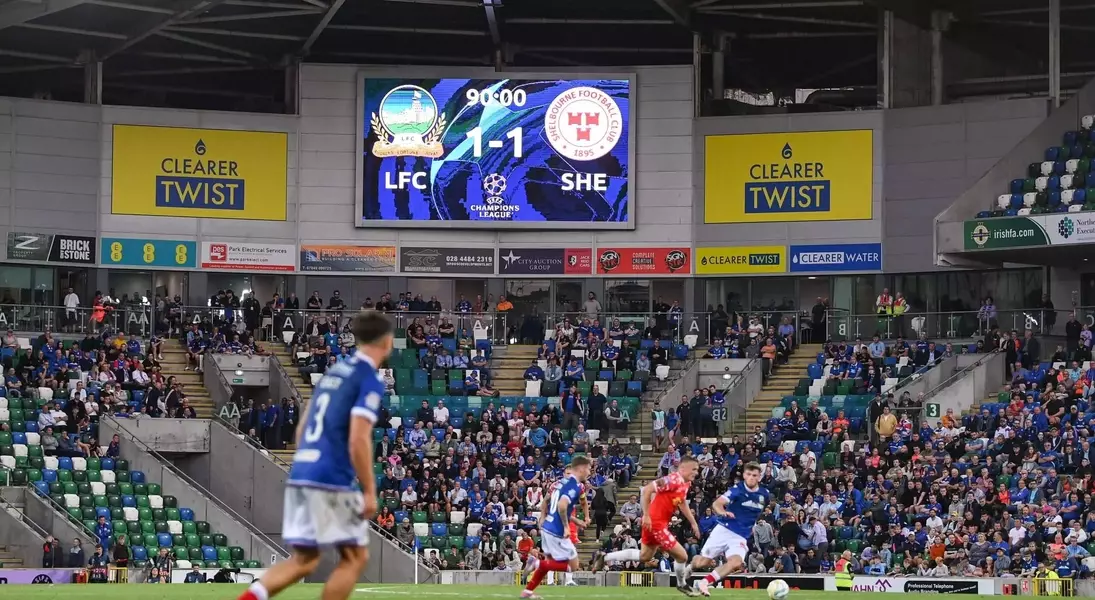
In a significant moment for Irish football, Shelbourne, the reigning champions of the League of Ireland, recently triumphed over Irish League champions Linfield in a UEFA Champions League qualifying match. The intense encounter, which saw Shelbourne secure a 2-1 aggregate victory, was more than just a game; it was a reflection of the long-standing historical and political divisions that have shaped football on the island of Ireland. The fixture drew considerable attention, not only for its European implications but also for the underlying cross-border rivalry between the two nations' football associations.
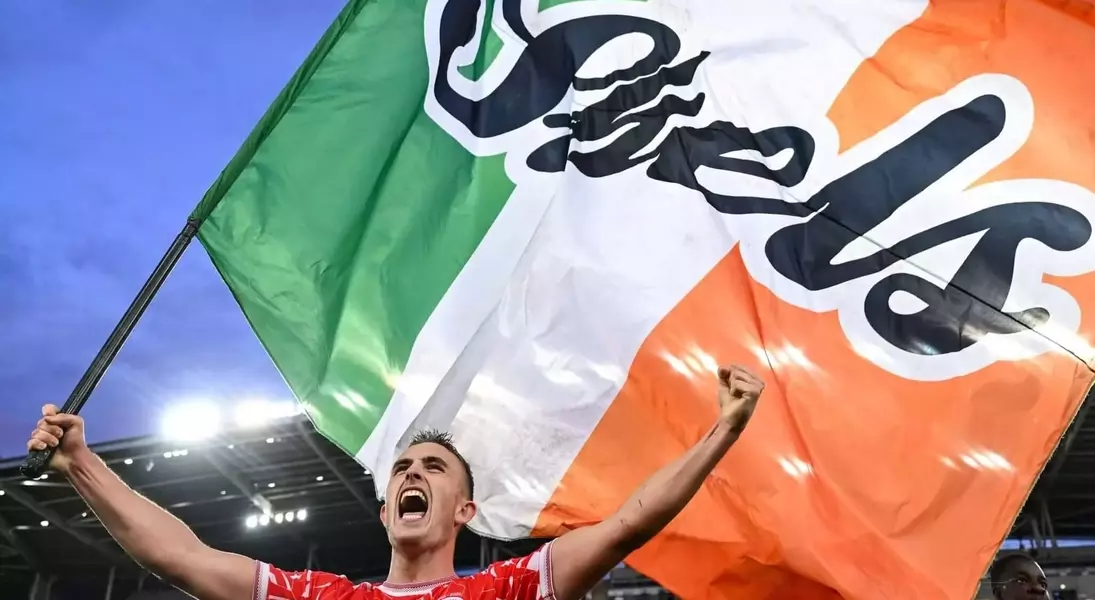
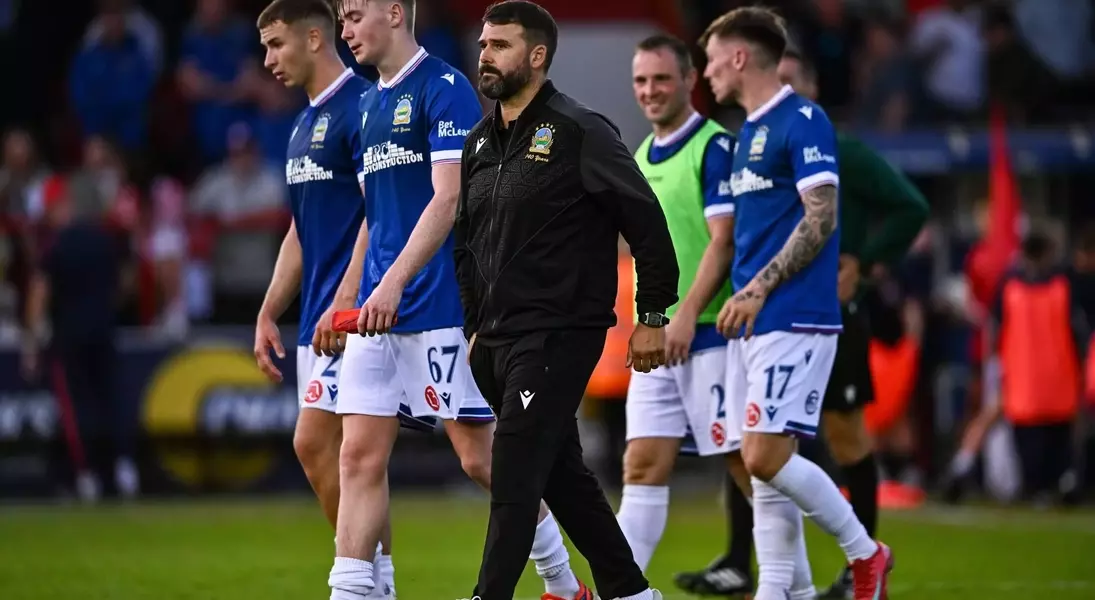
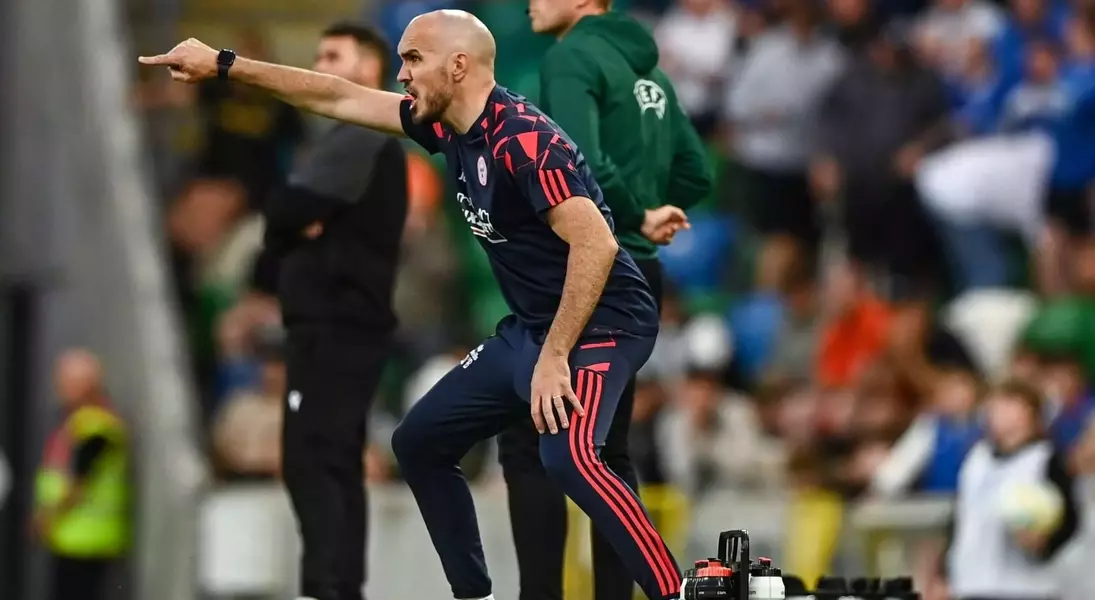
The match was played out against a backdrop of historical tension, as this was the first time two Irish champions had met in a Champions League qualifier since 2005. Both club managers, Joey O'Brien of Shelbourne and David Healy of Linfield, endeavored to frame the tie as a purely European fixture, downplaying its 'north vs. south' dimensions. However, the emotional post-match celebration by Shelbourne players, who waved an Irish tricolour, underscored that the historical narrative remains deeply intertwined with the sport. Despite these political currents, the conduct of the fans and players was largely restrained, a testament to effective policing and a focus on the game itself.
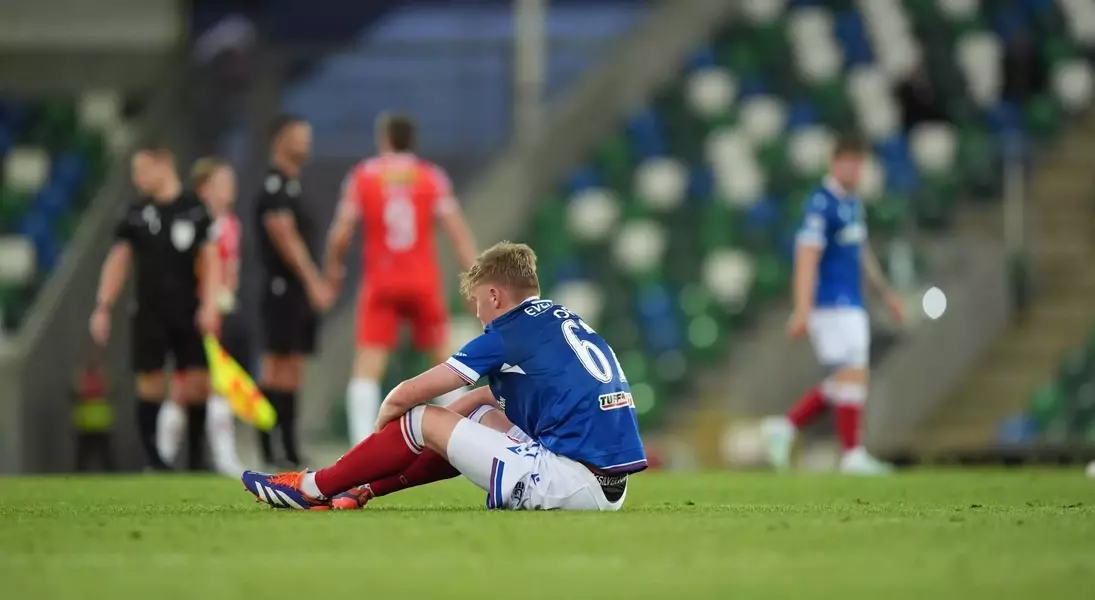
This qualification marks a pivotal moment for Shelbourne, who now advance to face Qarabag of Azerbaijan, continuing their journey in Europe's premier club competition. For Linfield, the defeat means a redirection to the Conference League qualifiers. The financial incentives of European football are substantial, offering a lifeline to clubs in smaller leagues. This split path highlights the ongoing divergence between the football structures in the Republic of Ireland and Northern Ireland, a division that mirrors the broader historical and societal landscape. While other sports in Ireland often enjoy unified support, football remains distinct, embodying the complex interplay of history, identity, and competition.
The passion and dedication displayed by both teams and their supporters exemplify the enduring spirit of competition and the unifying power of sport, even amidst historical divisions. Football, in its essence, provides a platform for individuals and communities to come together, celebrate triumphs, and face challenges, fostering a shared sense of identity and belonging. Through the universal language of the game, barriers can be transcended, and a path towards mutual respect and understanding can be forged, proving that even the fiercest rivalries can contribute to the positive evolution of the sporting landscape.
