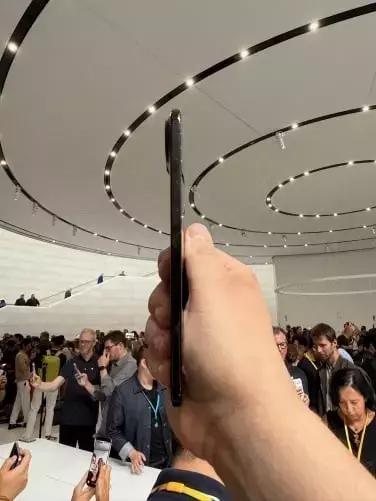
Apple's latest innovation, the iPhone Air, has captivated the tech world with its remarkably slender design and advanced A19 Pro chip. However, this pursuit of extreme thinness raises significant questions about its most crucial component for daily use: battery life. While Apple assures users of \"all-day battery\" capabilities, a closer examination reveals a nuanced reality where the desire for a minimalist form factor may come at the expense of power longevity. This report delves into the intricate balance Apple attempts to strike between cutting-edge design and practical battery performance, exploring how the iPhone Air stacks up against its counterparts and the implications of its supplementary power solutions.
Dissecting the iPhone Air's Power Performance
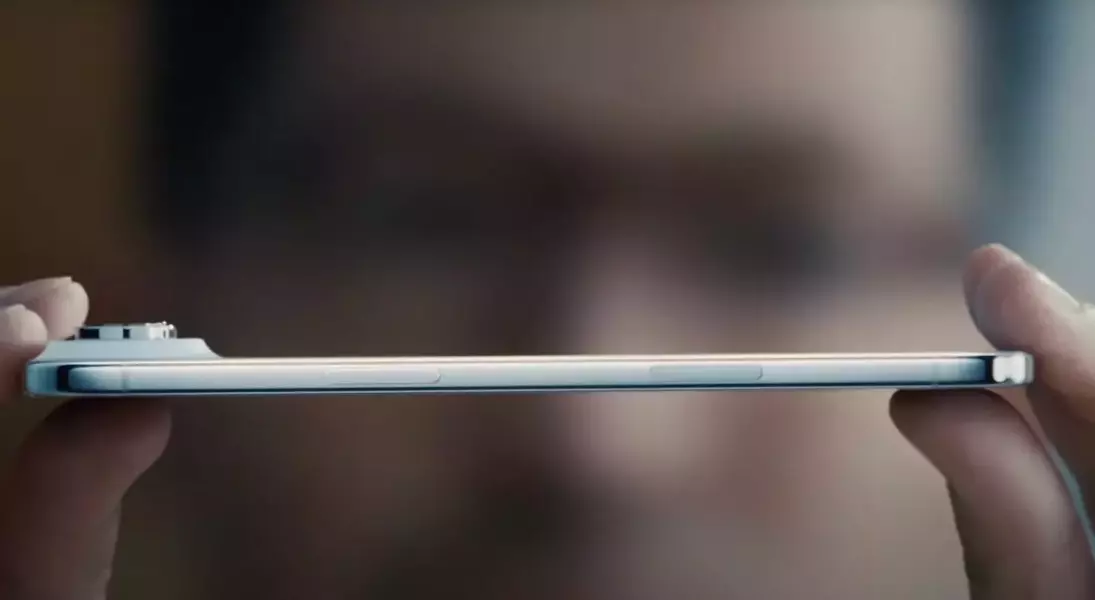
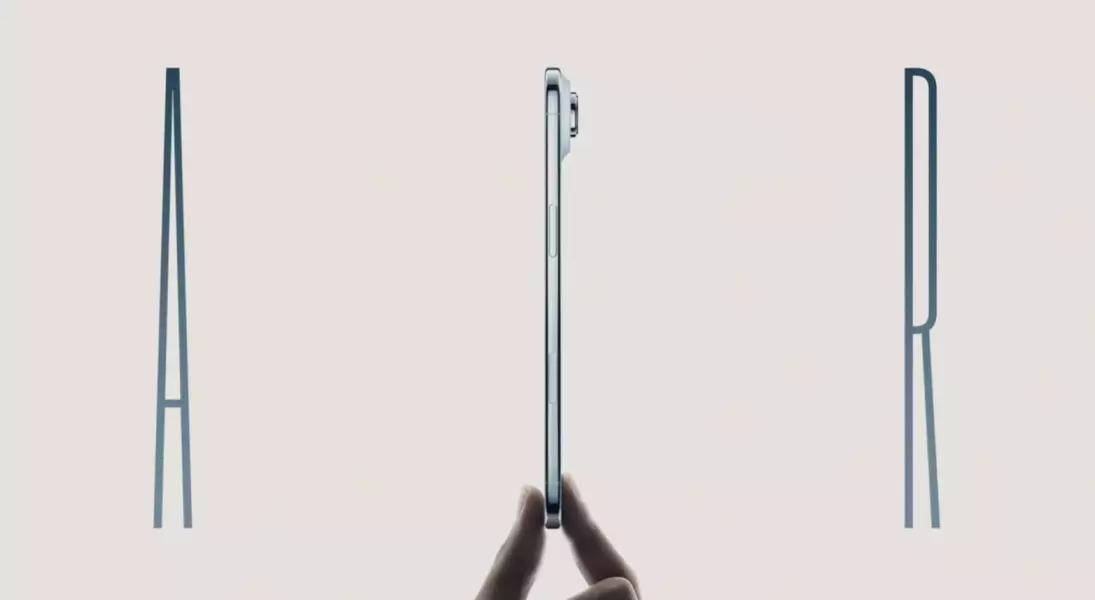
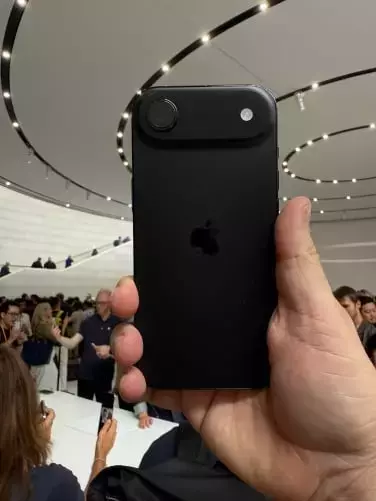
The recently unveiled iPhone Air, a standout in the iPhone 17 series, arrives with compelling specifications, including a mere 5.6mm thickness, the robust A19 Pro chip shared with the iPhone 17 Pro, a 48MP primary camera, and a 6.5-inch display, all while weighing a mere 165 grams. During its grand announcement, Apple briefly mentioned an \"all-day battery life\" without delving into specifics, leaving many to wonder about the true endurance of this ultra-slim device.
Upon closer inspection, Apple's official figures indicate that the iPhone Air offers up to 27 hours of video playback and 22 hours of streaming video. This stands in contrast to the standard iPhone 17, which provides a more substantial 30 hours for video playback and 27 hours for streaming. Priced at $999, the iPhone Air, despite its superior chipset and lighter build, comes at a premium compared to the $799 iPhone 17, requiring consumers to weigh the benefits of a sleek design against a marginally shorter battery duration.
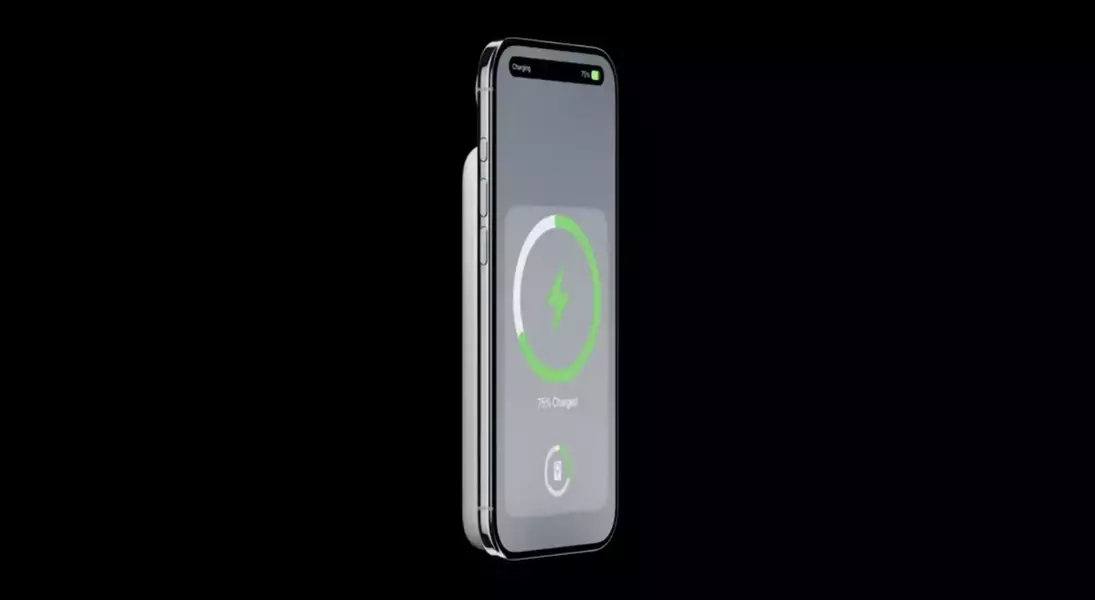
History shows that ultra-thin smartphones, like the Samsung Galaxy S25 Edge, often grapple with battery limitations. Anticipating similar challenges for the iPhone Air, Apple introduced a slender MagSafe Battery accessory. This optional add-on promises to extend video playback to an impressive 40 hours and streaming to 35 hours, surpassing even the iPhone 17 Pro's 39-hour video playback. However, this $99 accessory, while enhancing power, fundamentally undermines the iPhone Air's core selling point: its exceptional thinness. As observed during the live stream, attaching the MagSafe battery visibly alters the phone's svelte profile.
Comparing the iPhone Air to the previous year's iPhone 16 reveals an improvement in battery life, as the iPhone 16 offers up to 22 hours of video playback. With the iPhone 16 now retailing at $699, the iPhone Air positions itself as a more expensive option, sitting in the middle of the range regarding battery performance when compared to the iPhone 17 and iPhone 16. Ultimately, the decision rests on user priorities: those who prioritize a sleek form will embrace the iPhone Air's design, while those who demand maximum battery longevity may need to consider the MagSafe attachment, accepting the compromise to its streamlined aesthetic.
The debut of the iPhone Air serves as a stark reminder of the continuous balancing act faced by technology innovators. While pushing the boundaries of design and performance is commendable, it often introduces inherent trade-offs. For consumers, this necessitates a critical evaluation of personal priorities. Is the allure of a whisper-thin device worth a potential reduction in native battery life? Or does the convenience of extended power, even with an accessory that alters the device's form, take precedence? This scenario underscores the evolving dialogue between user expectations and technological capabilities, prompting us to consider what truly defines a superior smartphone experience in an era of relentless innovation.
