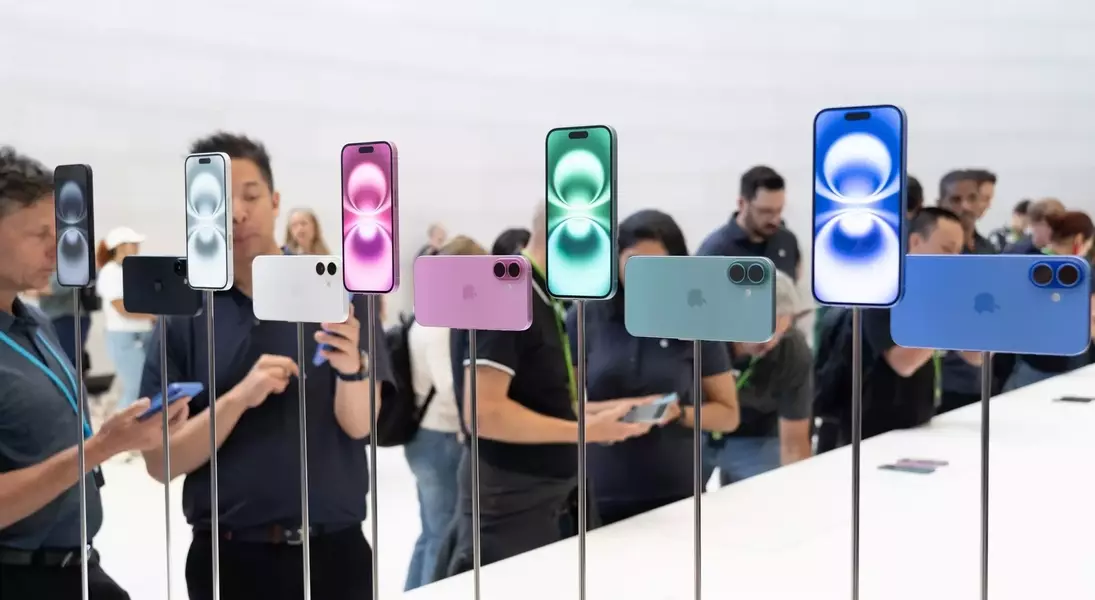
The iPhone 17 series promises a refreshing take on Apple's iconic smartphone, focusing on enhanced user experience and aesthetic evolution rather than revolutionary breakthroughs. While perhaps not "awe-dropping," these updates are poised to make the latest iteration a compelling choice for consumers seeking a substantial upgrade.
Subtle Evolution, Significant Impact: The iPhone 17's Path Forward
Why iPhone Users Choose to Upgrade: Beyond the Awe-Factor
Many consumers who opt for an iPhone often do so out of familiarity and practicality, rather than being drawn by revolutionary features. The decision to purchase a new device frequently stems from the necessity to replace an aging model with a worn-out battery, a sluggish processor, or a completely defunct unit. This ingrained preference highlights a market driven by convenience and established trust, where users gravitate towards what they already know and find dependable.
The Fading Edge: Android's Ascent and iPhone's Diminishing Uniqueness
A few years ago, the appeal of the iPhone was undeniable, thanks to its vibrant app ecosystem, streamlined operating system, and superior camera capabilities. However, the smartphone landscape has evolved considerably, with Android devices closing the gap in terms of features and functionality. Many functionalities once exclusive to the iPhone are now readily available across various Android models, diminishing the perceived "must-have" aspect of Apple's offerings and fostering a more competitive market.
The Slowdown in Innovation: A Mature Market Reality
The smartphone industry has reached a point of maturity where groundbreaking innovations are less frequent, and consumers are extending the lifespan of their devices. This trend means that each new phone generation needs to offer more than just incremental improvements to genuinely stand out. Despite the slower pace of innovation, the expectation remains that a new device, several years advanced from its predecessor, should deliver a noticeable enhancement in user experience.
Anticipated Enhancements: What the iPhone 17 May Bring
Whispers from the industry suggest that the standard iPhone 17 model is set to receive notable improvements, such as the long-awaited inclusion of a ProMotion display. While features like Dynamic Island and Camera Control, introduced in recent iterations, haven't drastically altered the user experience, their cumulative effect could provide a more significant upgrade for users transitioning from older models like the iPhone 13. This accumulation of refinements aims to offer a more compelling, albeit not entirely novel, advancement.
A Bold Visual Leap: Redesign and New Interface for Pro Models
For the Pro versions of the iPhone 17, Apple is reportedly embracing a bolder design philosophy. Speculation points to a redesigned camera module, a striking new orange color option, and an "Air" variant for the Plus model, characterized by an exceptionally slim profile. These aesthetic changes are intended to clearly differentiate the iPhone 17 Pro from previous generations. Furthermore, the 17 series is expected to introduce "Liquid Glass," a new design language within iOS 26, which features transparent user interface elements, signaling a shift towards augmented reality-driven user experiences that challenge Apple's traditionally understated design approach.
The Missing Piece: Siri's Unfulfilled Promise
Despite the various updates and redesigns, one significant expectation that remains unaddressed is the highly anticipated evolution of Siri into a more intelligent, AI-powered assistant. The promise of an AI that seamlessly integrates into daily life and significantly simplifies phone usage has yet to materialize fully within Apple Intelligence. This gap in AI advancements is a notable absence, leaving some observers feeling that a core component of future iPhone utility is still missing.
A Sufficient Step Forward: Meeting User Expectations
While the iPhone 17 may not ignite widespread excitement with revolutionary new features, its combination of design updates and performance enhancements is likely to satisfy a large segment of its user base. For those already committed to upgrading their existing iPhones, these changes will offer a fresh and improved experience, even if many of the year-over-year modifications are incremental. Ultimately, the iPhone 17 aims to deliver just enough innovation to meet the practical needs and evolving expectations of its loyal consumers.
