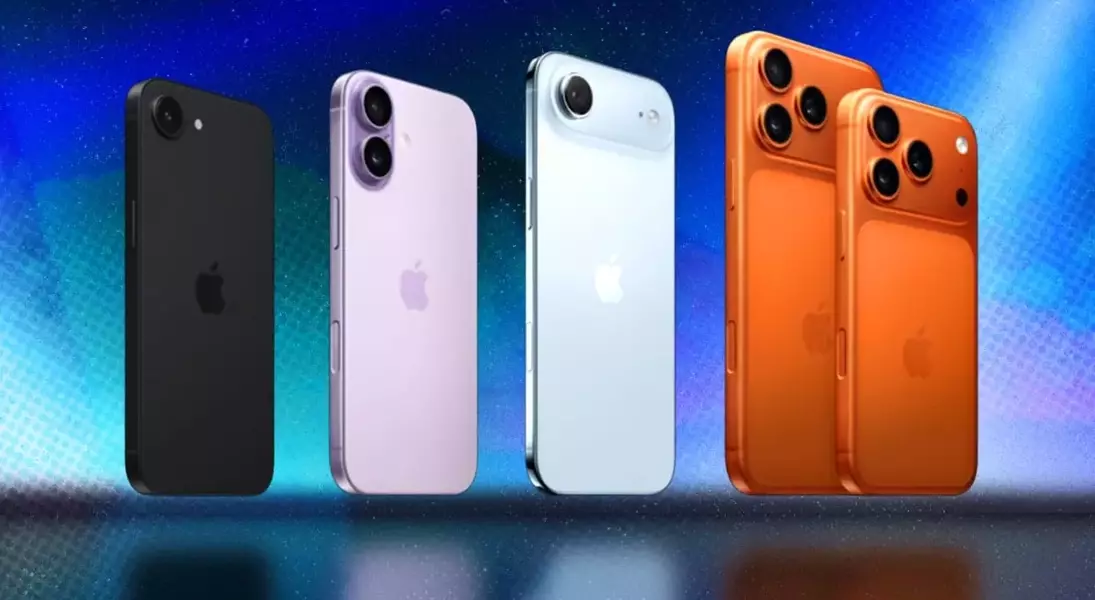
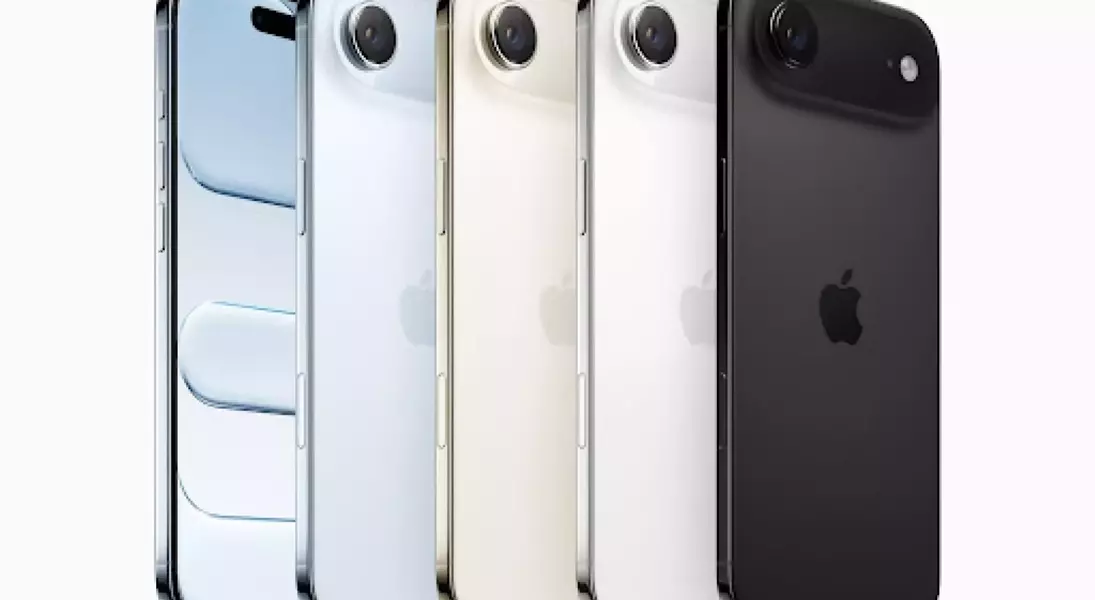
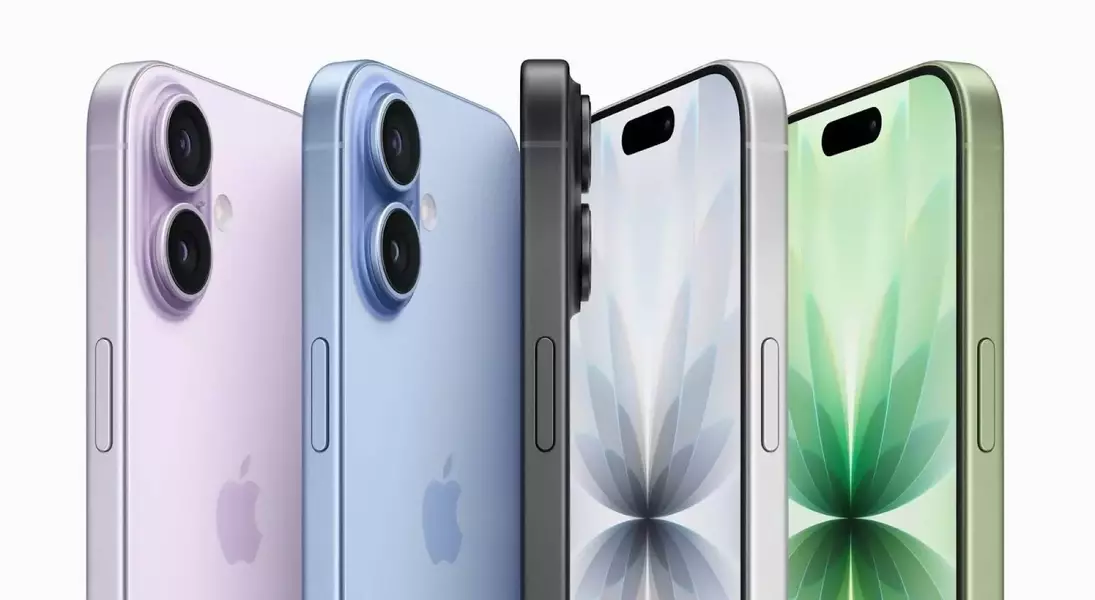
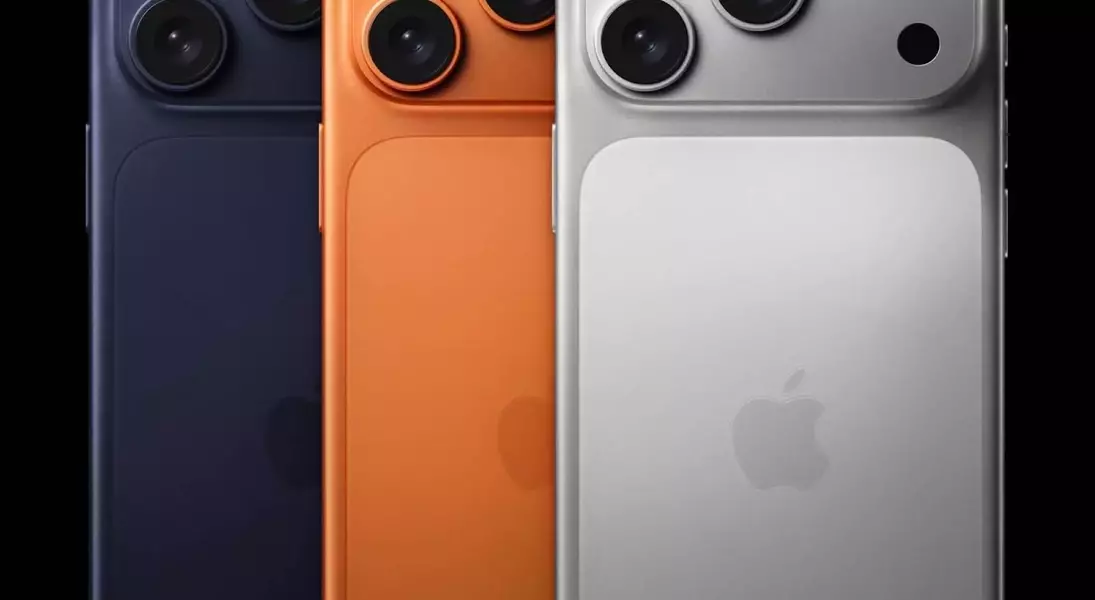
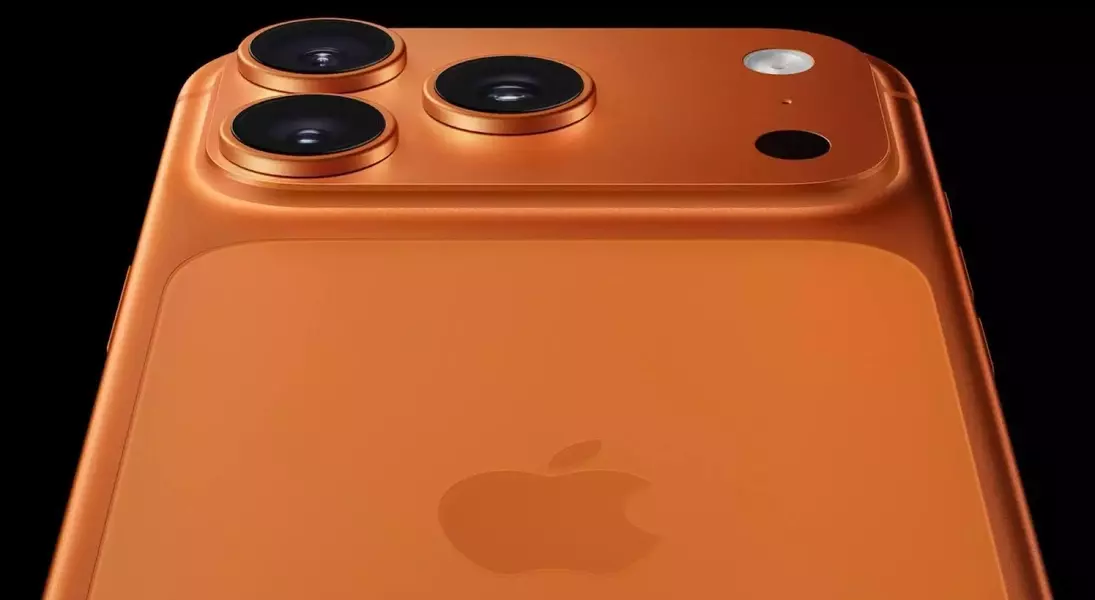
The eagerly anticipated iPhone 17 series has finally been unveiled, bringing with it a suite of compelling advancements and refinements. These new models are designed to entice users, particularly those with devices older than the iPhone 16, to experience the latest in mobile technology. The entire lineup boasts substantial upgrades over its predecessors, with even the standard models now incorporating features previously exclusive to the Pro range. This comprehensive overhaul makes the iPhone 17 a highly attractive proposition for anyone considering a refresh of their current smartphone.
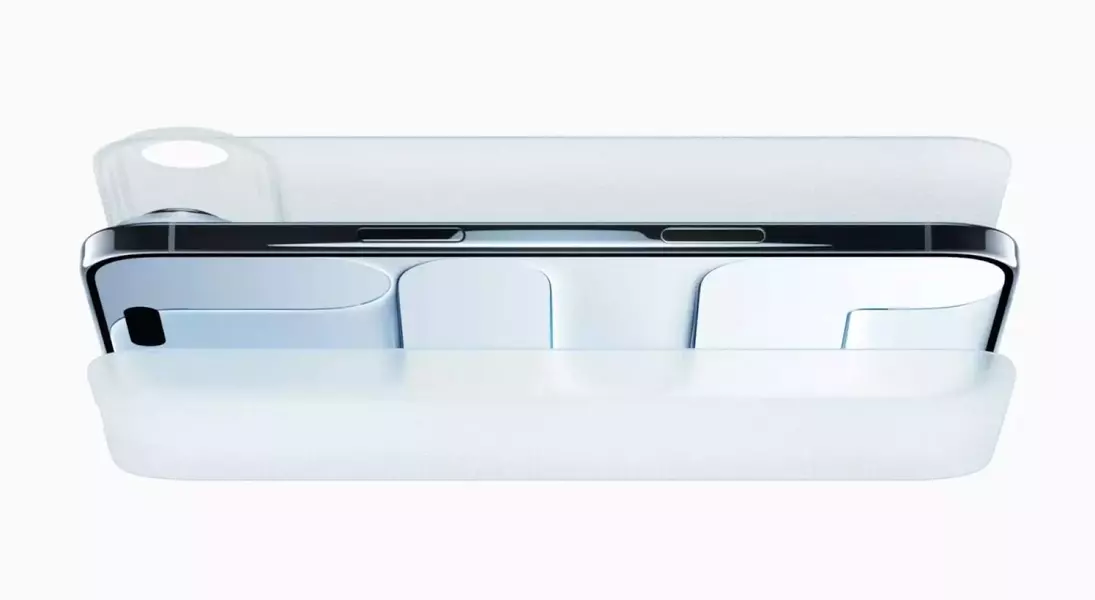
A significant highlight of the new release is the introduction of a remarkably slender form factor. The much-speculated iPhone Air, while not formally designated as part of the iPhone 17 series, arrives concurrently and shares many of its cutting-edge functionalities. Measuring a mere 5.6mm in thickness, the iPhone Air sets a new standard for slim design, yet it still manages to house a 6.5-inch ProMotion display and Apple's powerful new A19 Pro processor. However, this svelte profile does come with certain compromises, such as potentially reduced battery longevity compared to other iPhone 17 models, though Apple has implemented battery redesigns and efficiency enhancements in iOS 26 to mitigate this. It also features a singular, albeit highly capable, rear camera with 2x lossless zoom, catering to users who prioritize a lightweight device over extensive photographic capabilities or extended battery life.
Another major leap forward is seen in the display technology. The base iPhone 17 now integrates a high refresh rate screen, a feature long awaited by users and previously confined to Pro models. This advancement brings Apple's standard offerings in line with many budget-friendly Android devices that have featured such displays for years. The ProMotion display on the iPhone 17 dynamically adjusts its refresh rate from 1Hz to 120Hz. This intelligent adaptation conserves power when static content is displayed by lowering the refresh rate, while seamlessly increasing it to 120Hz during scrolling or animations, ensuring a fluid and visually pleasing user experience.
Performance receives its customary annual boost with the debut of new processors. The standard iPhone 17 is equipped with the A19 chip, which Apple states delivers a 20% improvement in graphics performance, optimizing the ProMotion screen and enhancing tasks like gaming and Apple Intelligence operations. For the Pro models, the A19 Pro chip represents Apple's most potent mobile processor to date, offering up to 40% faster sustained performance. This chip combines a six-core CPU with a six-core GPU, alongside a new 16-core Neural Engine specifically designed for AI functionalities. Furthermore, iPhone 17 Pro devices benefit from additional performance enhancements, including an innovative vapor chamber cooling system that ensures the A19 Pro maintains optimal performance even during prolonged, intensive usage.
Camera systems across the iPhone 17 range have also seen substantial upgrades, with the Pro model receiving the most significant enhancements. The standard iPhone 17 introduces a Center Stage front-facing camera, a notable improvement for video calls and selfies. This camera features a square sensor that intelligently frames subjects, even allowing for landscape selfies without reorienting the phone. A new Dual Capture function enables simultaneous capture from both front and rear cameras. On the rear, the iPhone 17 boasts a 48-megapixel main camera and a 48-megapixel ultrawide camera, capable of capturing four times the resolution of its predecessor. The iPhone 17 Pro takes photography even further with a new telephoto camera offering 8x optical quality zoom. This telephoto lens is 56% larger than that found on the iPhone 16 Pro, leading to sharper images in well-lit conditions and greater detail in low-light environments. The Pro models also incorporate the advanced square front-facing sensor.
Beyond performance and aesthetics, the iPhone 17 series and the new iPhone Air also offer enhanced resilience. All models in the lineup feature Apple's latest Ceramic Shield 2 glass on their front displays, which the company claims provides three times greater scratch resistance. While the rear panels utilize the previous generation of Ceramic Shield glass, the overall construction significantly boosts the devices' robustness, providing greater peace of mind against accidental damage.
These advancements collectively underscore Apple's commitment to innovation, delivering a compelling package of features that elevate the user experience. The refined design, superior display, heightened performance, advanced camera capabilities, and increased durability make the iPhone 17 series a noteworthy evolution in the smartphone landscape, appealing to a broad spectrum of users seeking cutting-edge mobile technology.
