For years, the tech world has observed a recurring pattern: features touted as groundbreaking innovations on Apple's latest iPhone models often bear a striking resemblance to functionalities already present in Android smartphones. The forthcoming iPhone 17 appears to continue this trend, with numerous rumored enhancements echoing capabilities that have been standard in the Android realm for quite some time. This pattern suggests a strategic approach by Apple to gradually integrate established technologies, rather than consistently pioneering entirely new ones. While Apple refines and optimizes these features for its ecosystem, the underlying technologies have frequently matured within the Android landscape first. This dynamic underscores a long-standing competitive interplay, where Android devices often lead in hardware adoption, compelling Apple to eventually follow suit, albeit with its signature polish.
Anticipated Advancements of iPhone 17 and Their Android Precedents
In the dynamic world of mobile technology, as the highly anticipated iPhone 17 series approaches its grand debut, a series of intriguing revelations has emerged. These insights suggest that many of its 'innovative' attributes have, in fact, been long-standing staples within the vibrant Android ecosystem. This phenomenon highlights a curious interplay between the two tech titans, where Apple frequently refines and popularizes concepts that its competitors have already introduced. Let's delve into the specific advancements rumored for the upcoming iPhone 17 and their notable Android counterparts.
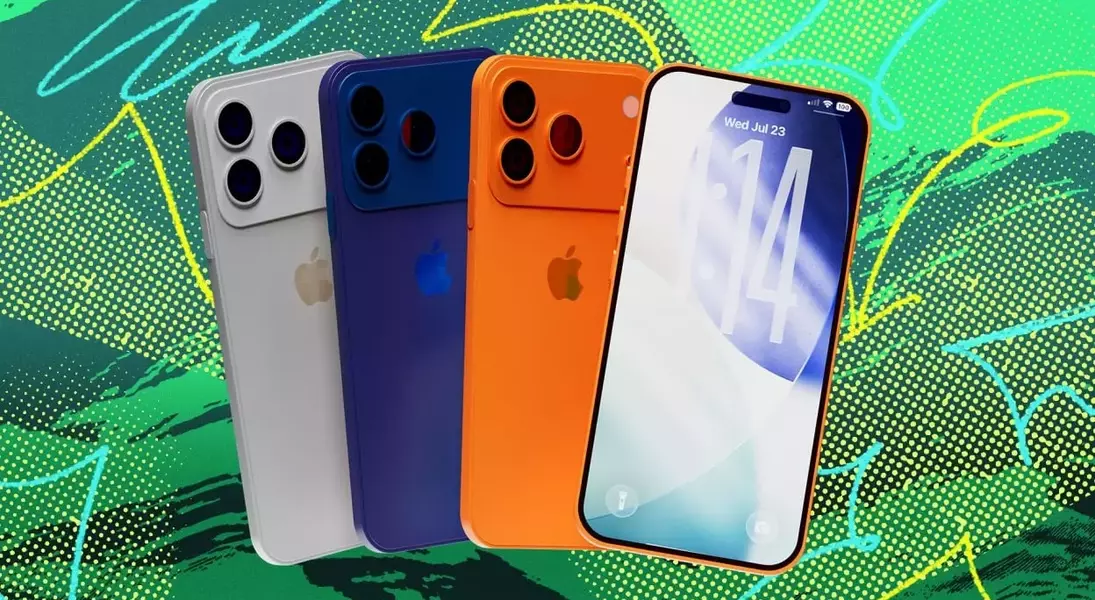
First, whispers abound regarding the introduction of a remarkably slender variant, potentially dubbed the 'iPhone 17 Air.' This remarkably thin design, rumored to be Apple's slimmest offering to date, aims for an aesthetic where the device's thickness barely exceeds that of its buttons. Yet, this pursuit of extreme thinness isn't uncharted territory. Just recently, the formidable South Korean tech giant, Samsung, unveiled its Galaxy S25 Edge, a device meticulously engineered for maximum slenderness, closely mirroring the rumored dimensions of the iPhone 17 Air. This demonstrates Android's prior exploration into ultra-slim form factors.
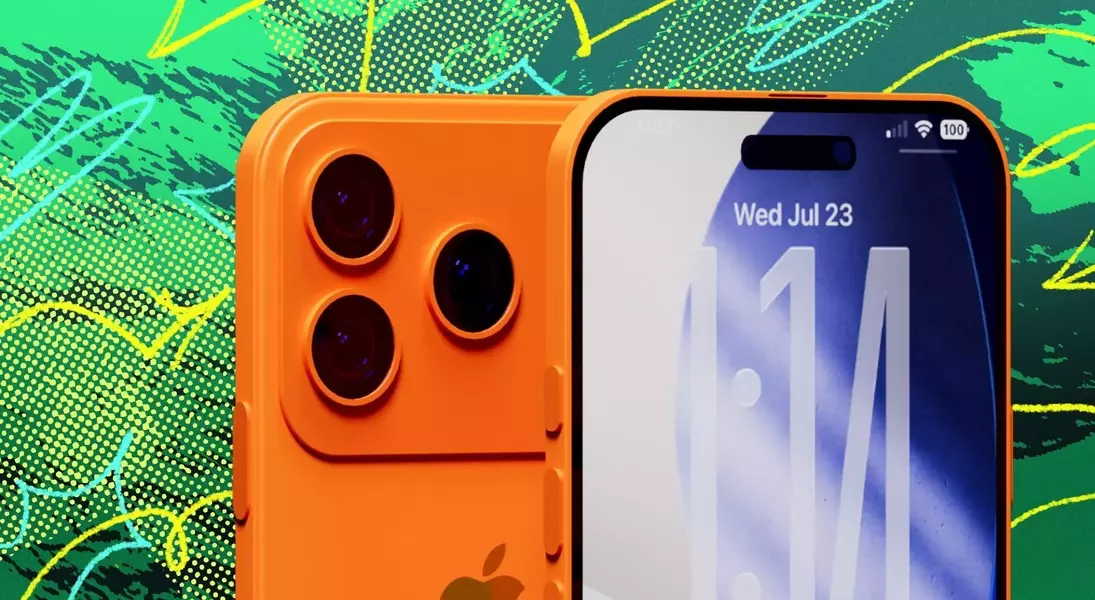
Furthermore, design aficionados anticipate a re-imagined camera enclosure for the iPhone 17, stretching across nearly the entire width of the device's rear. This proposed shift in visual design, accompanied by a return to a robust aluminum frame from titanium, finds a clear parallel in the contemporary Android landscape. Notably, the Google Pixel 9 already showcases a similar horizontally oriented camera strip, providing a familiar aesthetic that spans the device's back. While the Pixel's iteration boasts a more fluid, curved profile compared to the iPhone 17's anticipated rectangular form, the foundational concept of an expansive rear camera module has been thoroughly explored and implemented by numerous Android manufacturers.
Beneath the sleek exterior, performance enhancements are also on the horizon for the iPhone 17, with a particular focus on thermal management. Reports indicate the potential integration of vapor chamber cooling technology, a sophisticated system designed to efficiently dissipate heat by leveraging the phase transitions of liquids. This ingenious cooling mechanism, which cycles heated vapor to cooler areas for condensation and recirculation, promises improved sustained performance. However, this isn't a novel concept in the mobile sphere. Android devices have been employing vapor chamber cooling for nearly a decade, with pioneers like the Razer Phone 2 introducing it as early as 2018. Leading Android manufacturers, including Samsung, continue to utilize and refine this technology, with even the recently launched Pixel 10 incorporating it, positioning it ahead of Apple's adoption.
Display technology is another area where the iPhone 17 is expected to catch up. Rumors suggest that all models in the new lineup will finally feature 120 Hz ProMotion displays, a refresh rate previously exclusive to the Pro variants. This universal adoption aims to provide a consistently smoother visual experience across the entire range. While Apple’s embrace of high refresh rates is a welcome development, Android smartphones have offered 120 Hz displays across their full model lineups since at least 2020, with devices like the Samsung Galaxy S20 series. Even more affordable Android options, such as the Google Pixel 9a, already deliver this premium display feature, underscoring Android’s earlier and broader commitment to high refresh rate screens.
Internally, the iPhone 17 is poised for a significant memory upgrade, with a speculated increase to 12GB of RAM. This substantial boost from previous generations is likely a response to the escalating demands of sophisticated applications, particularly those leveraging Apple's newly introduced Apple Intelligence features. Yet, generous RAM capacities have been a hallmark of high-end Android devices for years. Many Android flagships have long offered 12GB of RAM, with some even pushing boundaries with 16GB, and certain Chinese manufacturers now integrating a staggering 24GB or more. This illustrates Android's consistent lead in providing ample memory to power demanding mobile computing tasks.
Battery longevity is also set to improve, with reports indicating that the iPhone 17 Pro Max could feature a battery exceeding the 5,000 mAh threshold for the first time, facilitated by a slightly thicker chassis. While any enhancement to battery life is commendable, Android devices have routinely surpassed this capacity for years. The Samsung Galaxy S20 Ultra, released in 2020, was among the first to break the 5,000 mAh barrier, and numerous Android phones have since offered comparable or even larger battery capacities. This enduring commitment to extended usage times has been a consistent advantage for Android users.
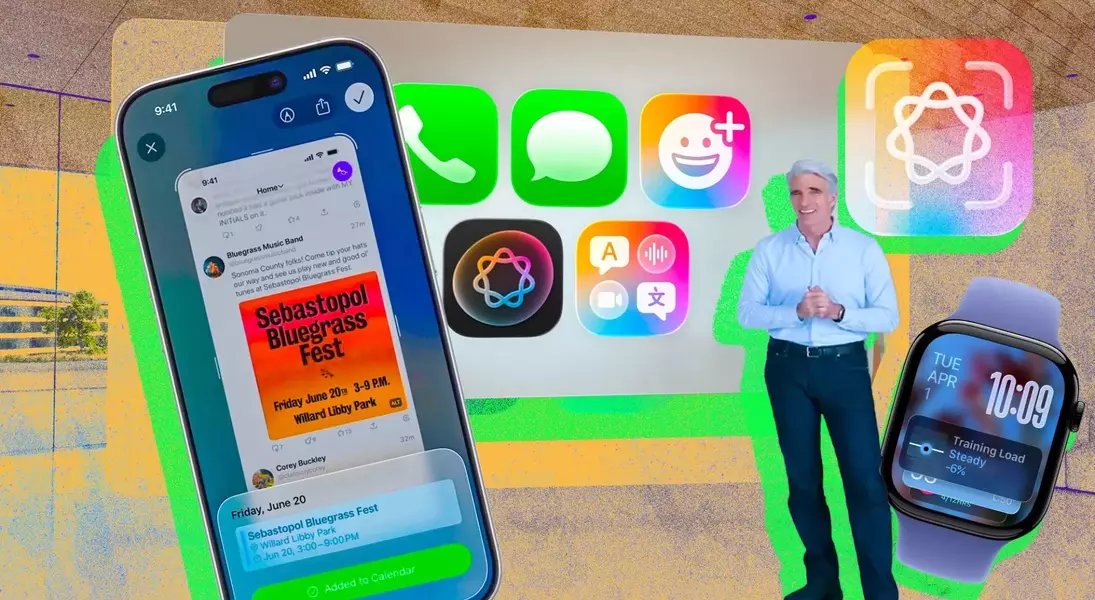
Finally, the user interface itself, iOS 26, is anticipated to undergo a significant visual transformation. Apple has historically adopted a more conservative approach to interface redesigns, with its last major overhaul dating back to iOS 7 in 2013. In contrast, Android has seen multiple substantial design evolutions over the past decade, including the introduction of Material Design, Material You, and the upcoming Material 3 Expressive. While design preferences are inherently subjective, Android users have consistently experienced more frequent and radical aesthetic shifts, offering a refreshed visual experience at regular intervals.
As these rumors solidify into official announcements, it becomes increasingly clear that the iPhone 17, while undoubtedly a highly polished and optimized device, will largely be adopting technologies and design philosophies that have been thoroughly explored and refined by its Android counterparts. This ongoing narrative underscores the competitive nature of the smartphone market, where innovation often manifests as iterative improvements and strategic integration of proven features.
The narrative surrounding the upcoming iPhone 17, and indeed Apple's product strategy in recent years, serves as a poignant reminder that innovation in the technology sector is rarely a linear path. From a journalist's vantage point, it's fascinating to observe how market leaders like Apple, while possessing immense resources and a devoted user base, often choose to iterate on established concepts rather than consistently breaking new ground. This approach, while perhaps less exciting for those seeking radical invention, undeniably leads to highly refined and user-friendly products. The consistent trend of Apple incorporating features pioneered by Android devices highlights a pragmatic understanding of market readiness and user adoption. It suggests that the 'first to market' isn't always the 'best to market,' as Apple excels at taking a concept, refining it, and integrating it seamlessly into its tightly controlled ecosystem, often making it more accessible and appealing to a broader audience. This dynamic, however, also places Android at a perpetual forefront of raw hardware and software experimentation, pushing the boundaries and serving as a crucial incubator for future industry standards. Ultimately, for consumers, this competitive landscape is a win-win, fostering continuous improvement and a diverse range of choices, ensuring that both ecosystems drive each other towards greater excellence.
