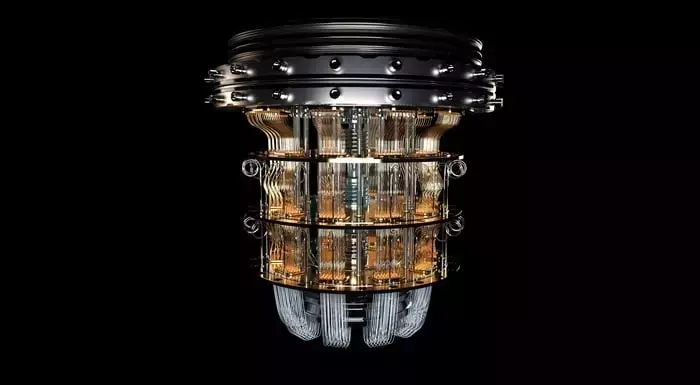
The landscape of technological innovation is continuously evolving, and quantum computing is poised to become a pivotal domain in the investment world by 2026. As this advanced computational field progresses, it presents a unique opportunity for early adopters to capitalize on potentially high-growth ventures. This analysis delves into several key entities shaping the quantum computing sphere, examining their diverse approaches and market positions. Understanding these dynamics is crucial for investors looking to navigate the complexities and opportunities presented by this transformative technology.
Within the nascent yet rapidly expanding quantum computing sector, a variety of companies are striving for prominence. Among these, the 'pure-play' entities like IonQ and D-Wave Quantum distinguish themselves by focusing exclusively on quantum technologies. These firms represent a high-stakes, high-reward investment proposition, as their success is entirely contingent on their ability to innovate and commercialize quantum solutions. IonQ employs trapped-ion technology, valued for its precision and cost-effectiveness, while D-Wave Quantum utilizes quantum annealing, a distinct approach that sets it apart from more common superconducting methods requiring extreme cooling. This strategic diversification by IonQ and D-Wave Quantum positions them advantageously, allowing them to carve out niches without directly confronting the vast resources of larger technology conglomerates.
Conversely, established technology behemoths such as Alphabet and Microsoft are actively developing their own proprietary quantum computing capabilities. For these industry titans, internalizing quantum computing hardware development is a strategic imperative, aimed at reducing reliance on external suppliers and enhancing profitability in their expansive cloud computing divisions. Their significant investments in AI infrastructure, including substantial expenditures on hardware from companies like Nvidia, underscore their drive to replicate such self-sufficiency in quantum computing. While these corporations may not directly market quantum products to end-users, their integration of quantum computing into existing cloud services is expected to drive considerable growth, making quantum access a premium feature within their cloud ecosystems.
Furthermore, Nvidia, a leader in conventional computing hardware, is adopting a hybrid strategy. Rather than directly competing in quantum hardware development, Nvidia is concentrating on creating the necessary interfaces and infrastructure that bridge traditional computing systems with emerging quantum machines. This approach allows Nvidia to leverage its core competencies while positioning itself to benefit from the broader adoption of quantum computing. As the demand for interconnected computing solutions escalates, Nvidia's role in facilitating this integration will become increasingly vital, enabling it to capture a significant share of the future computing expenditure.
The investment landscape in quantum computing is multifaceted, offering pathways through specialized quantum firms, diversified tech giants, and hybrid solution providers. Each category carries distinct risk-reward profiles and growth trajectories. The strategic decisions made by these companies today will determine their influence in the quantum-powered future, creating compelling opportunities for investors who engage with this frontier technology early on.
