
This analysis delves into the compelling investment landscape of high-yield financial instruments, including floating-rate preferred shares, baby bonds, and Business Development Companies (BDCs). It highlights strategic opportunities arising from market volatility and shifting interest rates, emphasizing the importance of selective, value-driven investment approaches rather than broad market timing.
Unlocking High-Yield Potential in Volatile Markets
Introduction to High-Yield Instruments
Floating-rate preferred shares and baby bonds are currently presenting attractive investment opportunities. This is particularly true as credit spreads expand and many of these securities are trading at prices below their call value. The recent turbulence in the market, coupled with rising interest rates, has created favorable entry points across a range of investments, including specific Real Estate Investment Trusts (REITs), BDCs, preferred shares, and baby bonds.
High-Yield Securities Landscape
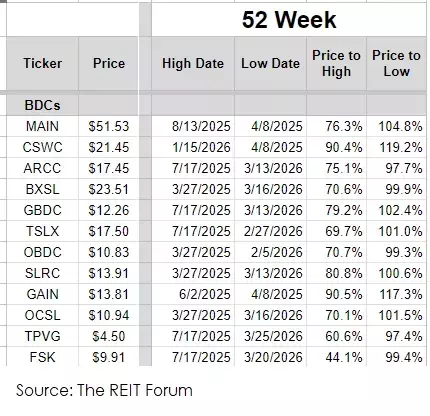
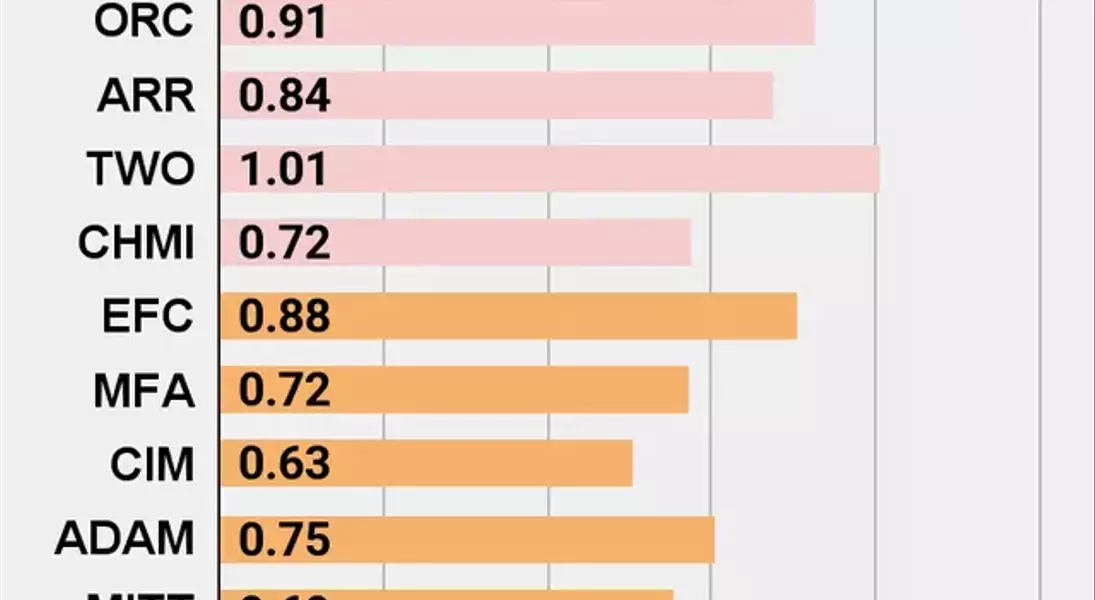
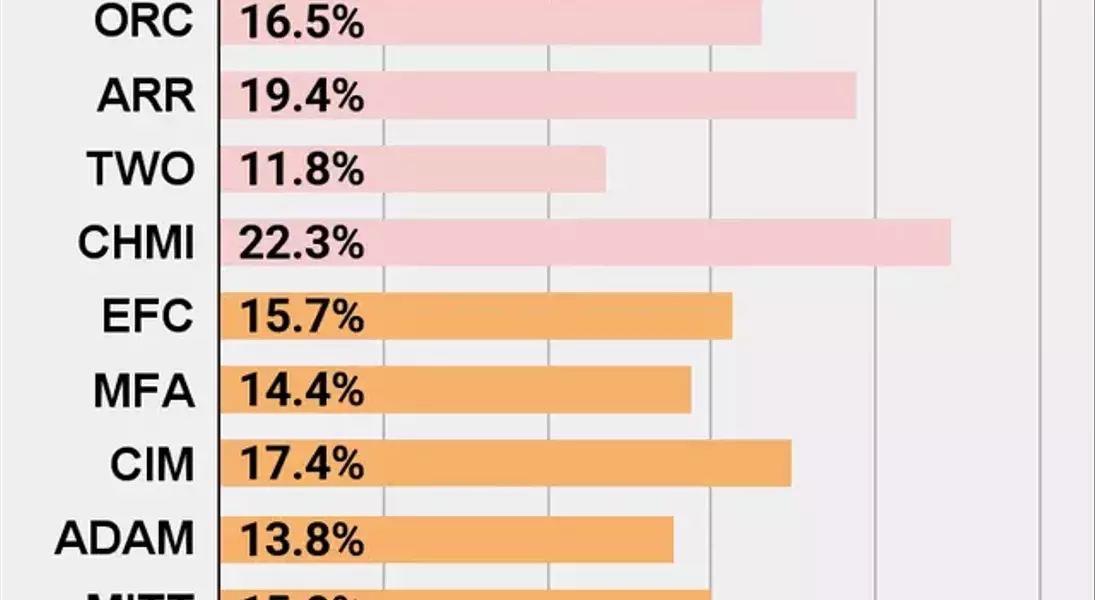
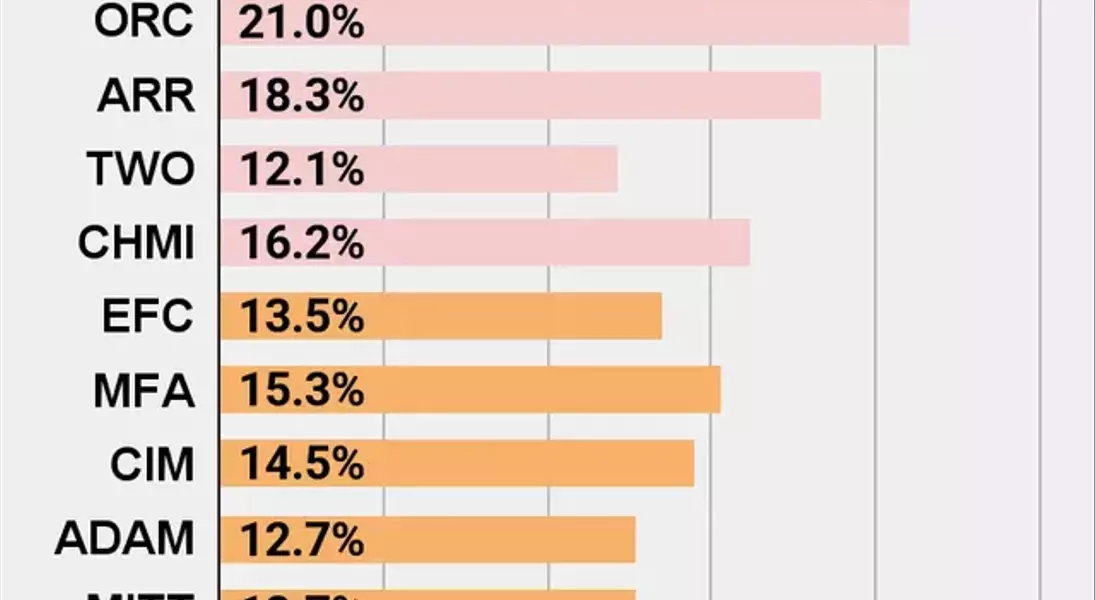
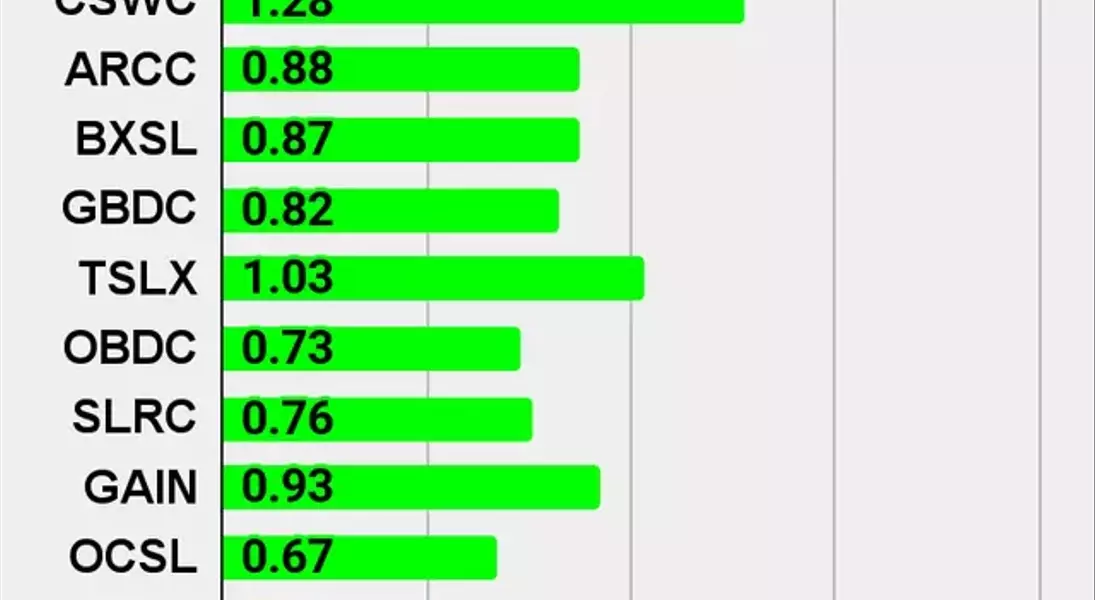
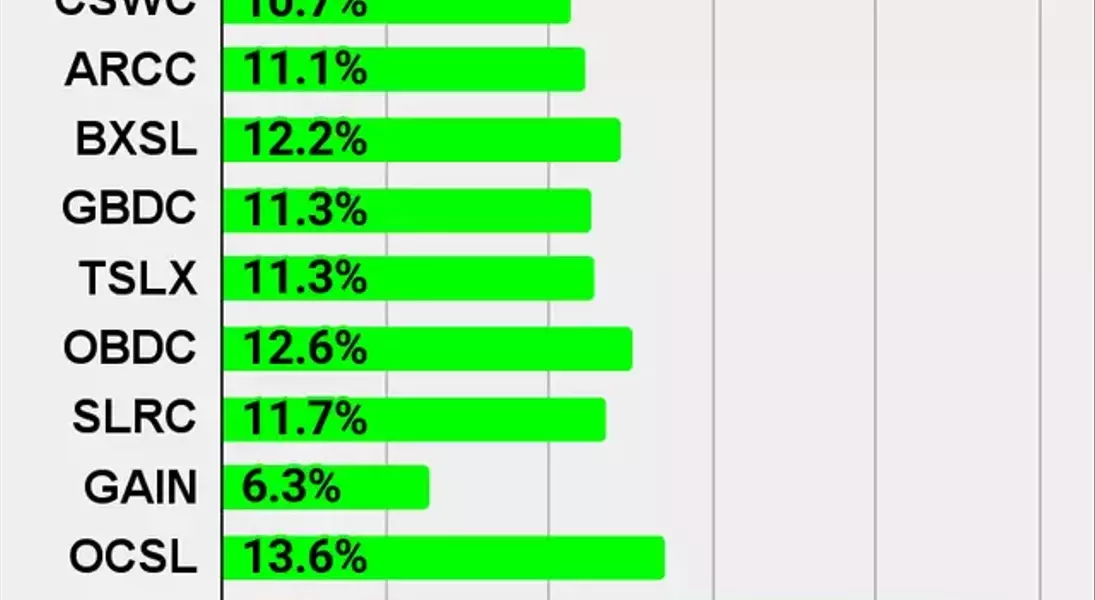
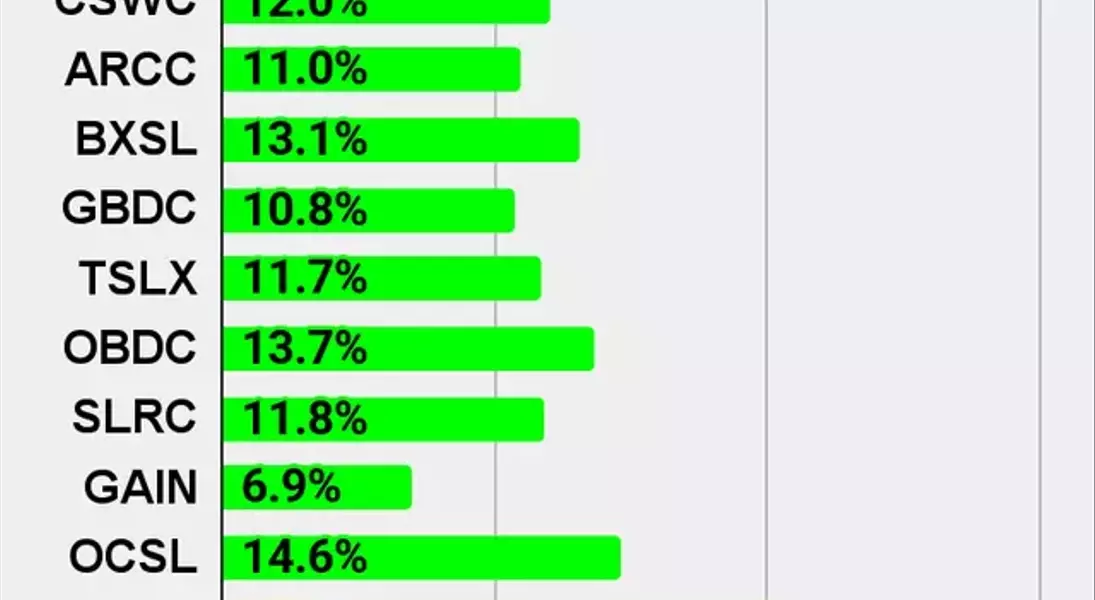
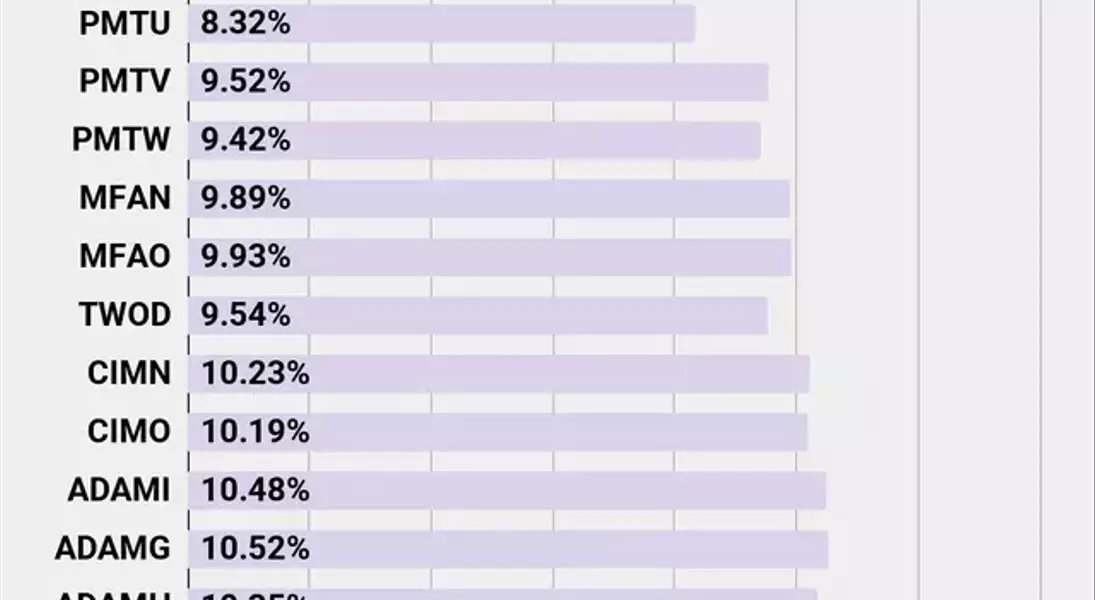
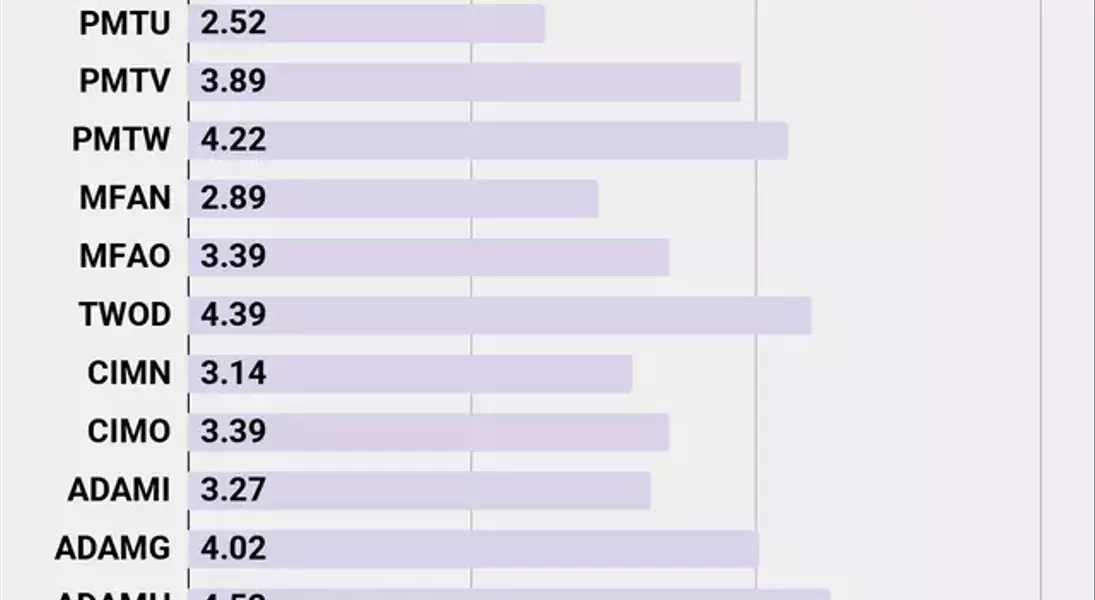
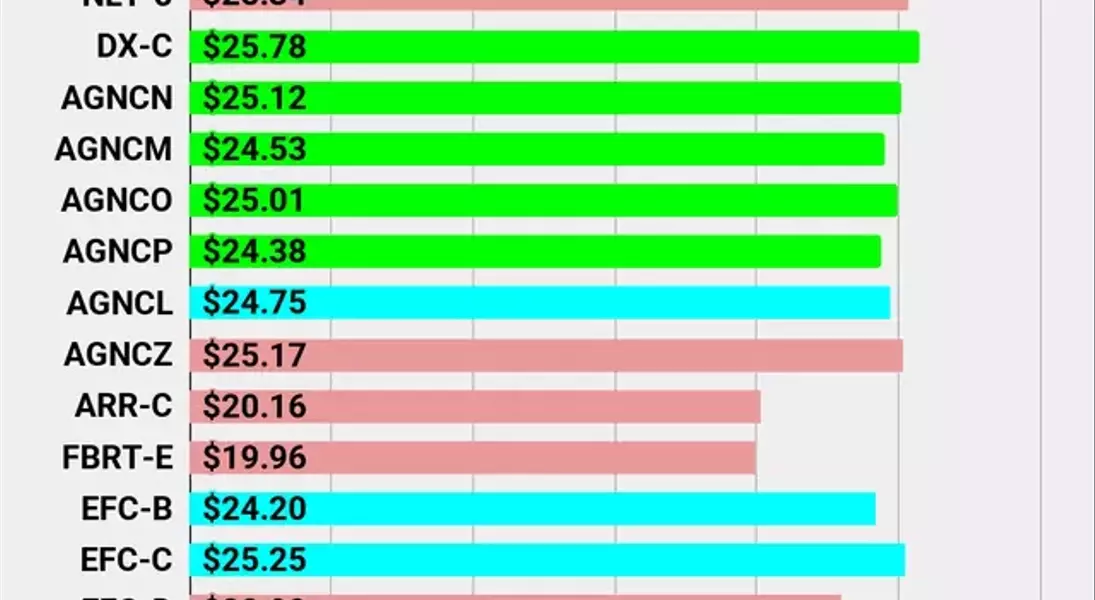
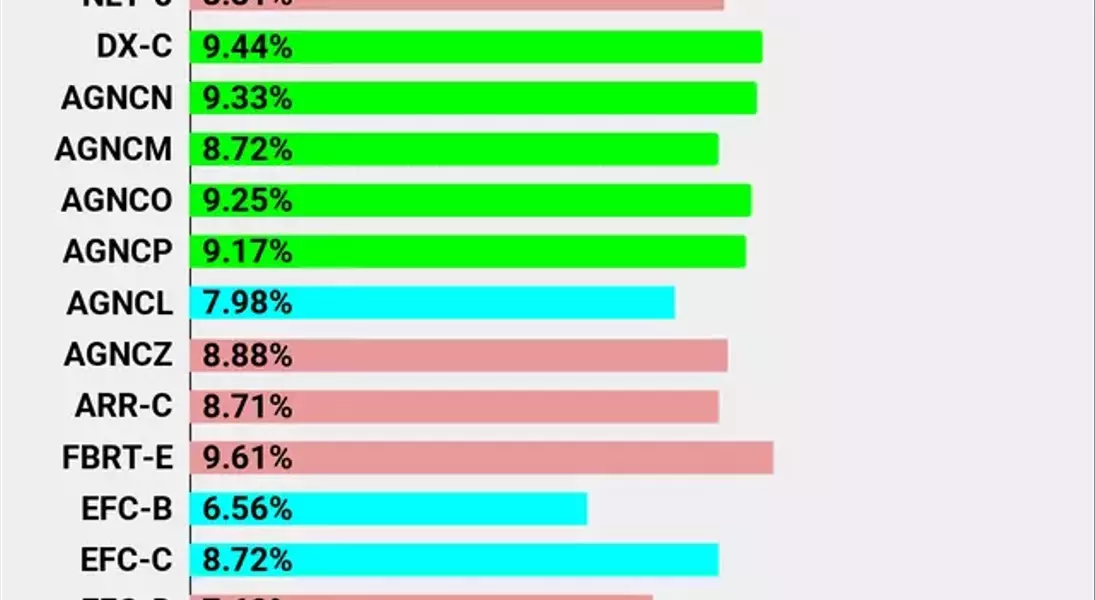
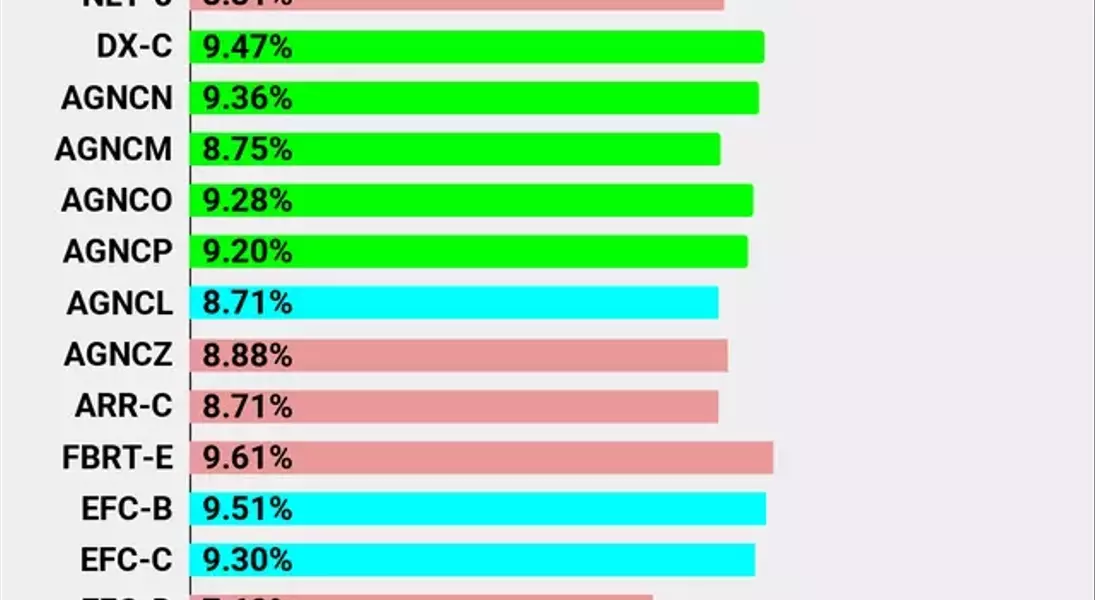
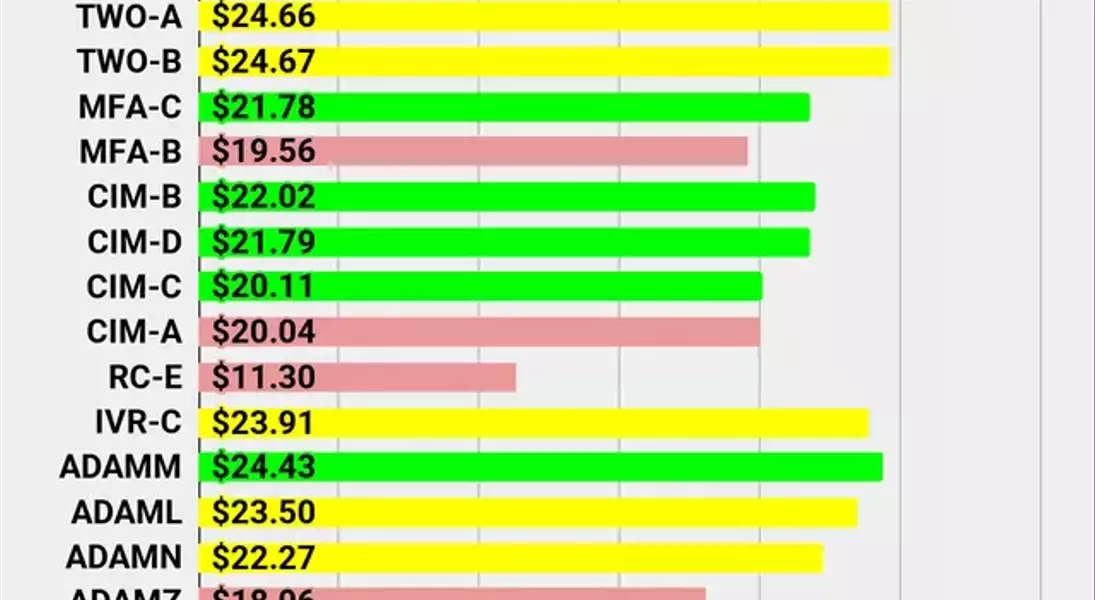
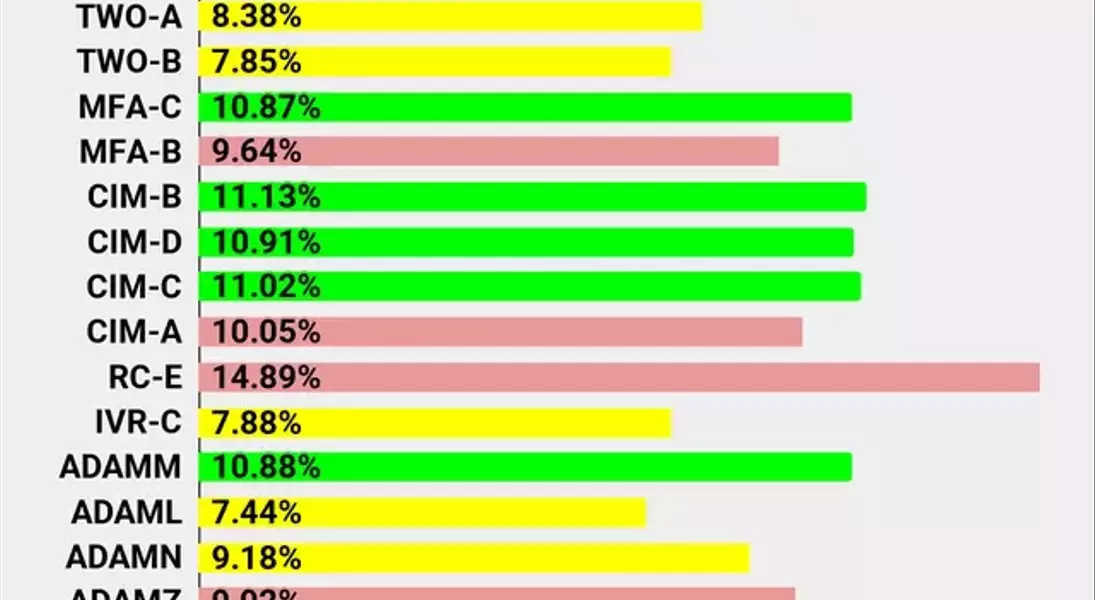
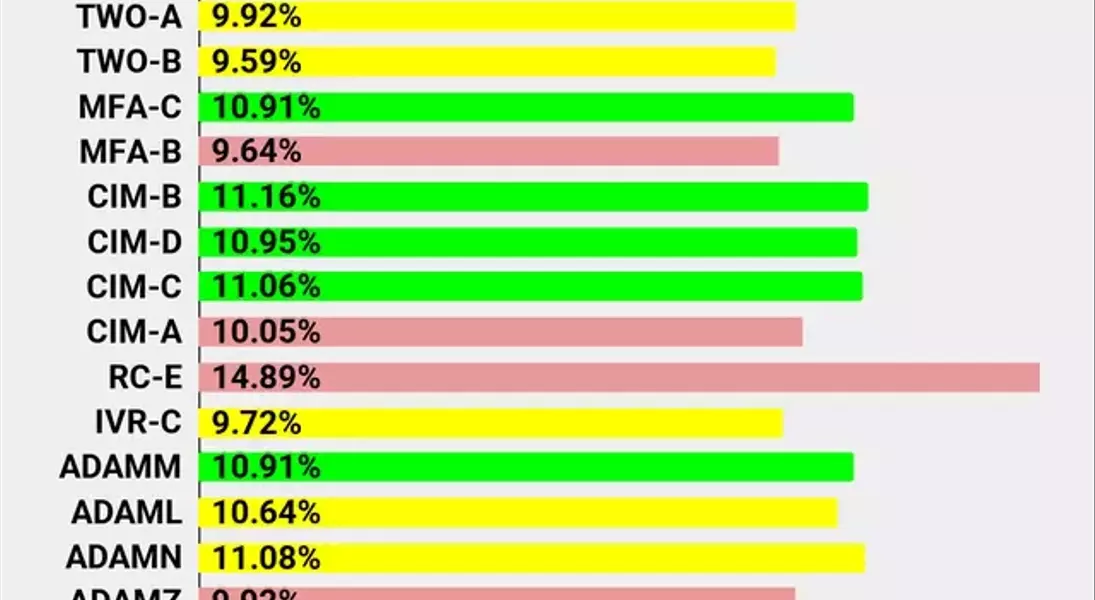
The financial markets offer a diverse array of high-yield securities. For instance, mortgage REITs are categorized into agency mREITs, hybrid mREITs, originator/servicers, and commercial types. Prominent BDCs are also key players in this high-yield sector. Detailed charts illustrate key metrics for these categories, including price-to-book value, earnings, and dividend yields, providing a comprehensive overview for potential investors.
Understanding Preferred Shares and Baby Bonds
Preferred shares are distinguished by their dividend characteristics: "fixed-to-floating" (FTF) shares transition from a fixed rate to a floating rate based on SOFR (formerly LIBOR), while "fixed-to-reset" (FTR) shares adjust their dividend rate periodically based on the 5-year Treasury rate plus a spread. A specific case, "fixed-to-lawsuit" (FTL), refers to situations where management has controversially altered dividend policies. Baby bonds, characterized by their relatively short maturities, offer lower price volatility even with changes in Treasury yields, making them an attractive option for stable, high-coupon returns.
Market Insights and Strategic Positioning
The prevailing market volatility, marked by wider credit spreads and higher interest rates, has reduced the prices of many floating-rate preferred shares, creating opportunities for investors. While some lower-risk preferred shares, like NLY-I, have seen minor declines, higher-risk counterparts have experienced more significant drops. This environment means that many of these securities now offer attractive yields to call, a situation less common when market risk perception was lower. Similarly, baby bonds, with their approaching maturities, become particularly appealing during such times, as their prices are less affected by interest rate fluctuations.
Relative Valuation Dynamics
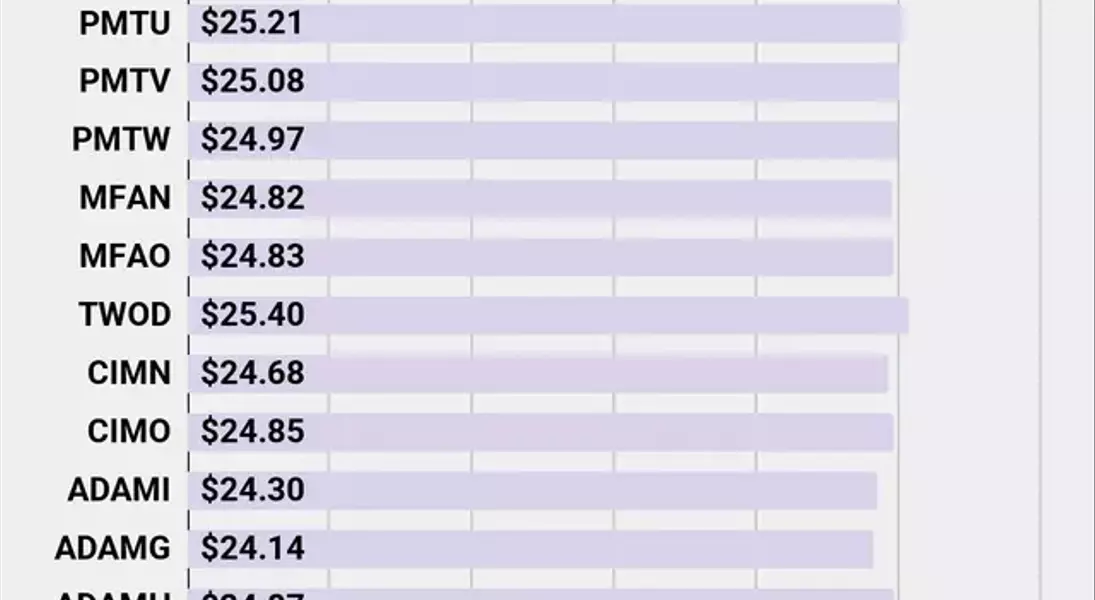
Examining the relative values of similar securities, such as different series of baby bonds from the same issuer (e.g., PMTU, PMTV, and PMTW), reveals market inefficiencies. Despite PMTU's earlier maturity, PMTV and PMTW often present a better value due to superior yield to call and yield to maturity, especially when considering dividend accrual. Such mispricings are common in the market, highlighting the importance of detailed analysis to identify genuinely advantageous positions.
Opportunities in Common Shares
For investors seeking even higher yields, common shares of mortgage REITs and BDCs are becoming more attractive as their valuations cool down. Many mortgage REITs have seen price drops, and BDCs have experienced even steeper declines, with some hitting 52-week lows. This creates a compelling entry point for selective investors. The current market environment, characterized by investor disinterest and a lack of broad bullish sentiment, is precisely when the best bargains emerge. A disciplined approach, focusing on modeling future cash flows rather than market timing, is crucial for identifying these undervalued assets.
Active Portfolio Management
In a dynamic market, active management is key. Even with a reduced cash position, optimizing portfolios by trading between similar investments with materially different prices can enhance returns. This strategy is particularly effective with baby bonds and preferred shares due to their predictable cash flows and tighter trading ranges. The current environment has enabled a significant allocation to these high-yield, lower-volatility instruments, underscoring a commitment to value-driven investing when opportunities arise.
