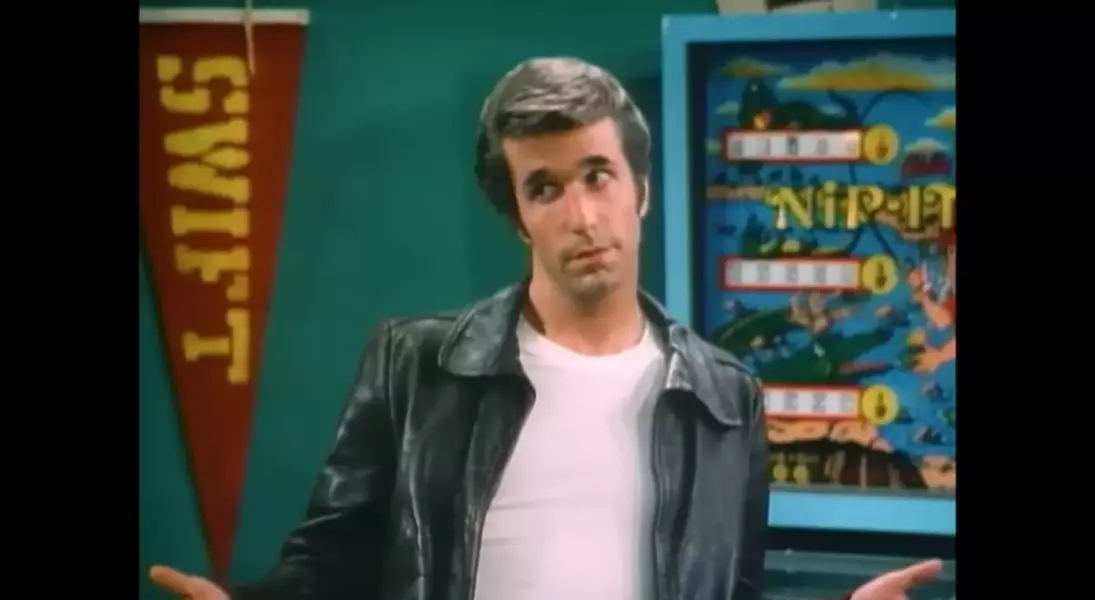
A recent revelation from a long-time Microsoft insider brings to light the intriguing story behind the inclusion of Weezer's "Buddy Holly" music video on the Windows 95 installation CD. Far from a simple licensing deal, this endeavor involved a complex web of negotiations, highlighting the multi-faceted legal considerations necessary for distributing multimedia content. The popular video, known for its affectionate tribute to the classic American sitcom "Happy Days," required Microsoft to go beyond just securing audio rights, delving into the realm of celebrity image permissions.
This fascinating account underscores how the digital age's burgeoning multimedia capabilities presented unique challenges for corporations. While the song itself was relatively easy to license from Geffen Records, the integration of footage from "Happy Days" meant seeking consent from every actor depicted in the video, most notably Henry Winkler, who famously portrayed Arthur "The Fonz" Fonzarelli. This process, as described by a lawyer involved, was an assignment filled with its own distinct charm and complexity, illustrating the meticulous efforts undertaken to ensure legal compliance for what was, at the time, a cutting-edge promotional feature for Windows 95.
Navigating the Legal Landscape for Multimedia Inclusion
The decision to feature Weezer's "Buddy Holly" music video on the Windows 95 installation disk was a strategic move by Microsoft to highlight the operating system's advanced multimedia functionalities. However, this seemingly straightforward inclusion precipitated an elaborate legal undertaking. Because the music video extensively incorporated scenes and characters from the beloved television series "Happy Days," Microsoft faced the intricate task of securing more than just the rights to the musical composition. This involved a diligent pursuit of individual permissions from each actor whose likeness appeared in the video, a process that demanded considerable legal expertise and negotiation acumen, particularly for prominent figures like Henry Winkler, known globally as "The Fonz."
The meticulous nature of this rights acquisition process reveals the early legal challenges posed by integrating diverse media formats. Beyond the musical rights from Weezer's record label, the portrayal of actors from a separate television production necessitated a careful and comprehensive approach to intellectual property. This specific requirement transformed a standard content licensing agreement into a far more complex negotiation, underscoring the legal team's dedication to navigating celebrity rights and image usage in a rapidly evolving technological landscape. The anecdote serves as a testament to the unforeseen legal frontiers that opened up as personal computing began to embrace rich, interactive multimedia experiences, setting precedents for future content distribution models.
The Unforeseen Impact and Legacy of a Digital Debut
The initial reception of the "Buddy Holly" music video's inclusion on Windows 95 by the band Weezer was, surprisingly, not one of immediate celebration. According to collaborator Karl Koch and drummer Pat Wilson, the band members were largely unaware of the extent of the deal, with some expressing initial annoyance at the lack of direct consultation. This reaction speaks volumes about the nascent stage of digital media distribution and the disconnect between artists, record labels, and burgeoning technology giants. Despite these early reservations, the widespread distribution of Windows 95 inadvertently propelled the "Buddy Holly" video into an unprecedented level of public consciousness, exposing millions to Weezer's music through a then-unconventional, yet incredibly effective, channel.
This historical moment proved to be a pivotal, albeit accidental, marketing triumph for Weezer, illustrating the immense power of integrating popular culture with technology. In an era predating ubiquitous streaming services and social media, the Windows 95 CD served as a unique and influential platform for cultural dissemination. The band's initial surprise eventually gave way to an understanding of the profound impact this placement had on their career, recognizing it as a landmark event in their journey. This narrative not only highlights a fascinating chapter in music and technology history but also offers insights into how evolving platforms can unexpectedly shape an artist's reach and legacy, forever linking Weezer's iconic track with the dawn of a new computing era.
