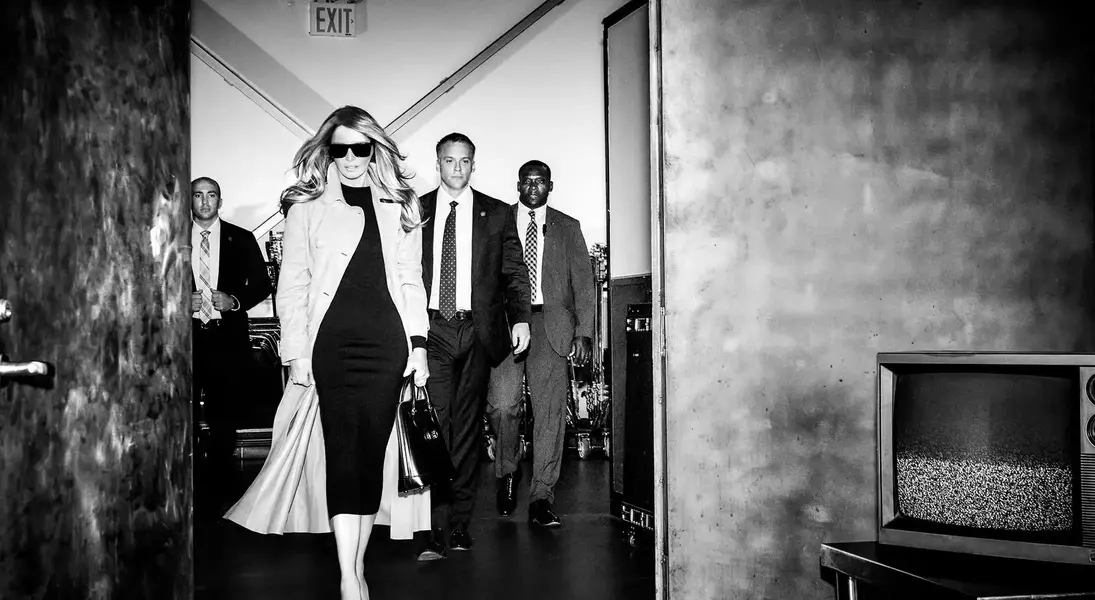
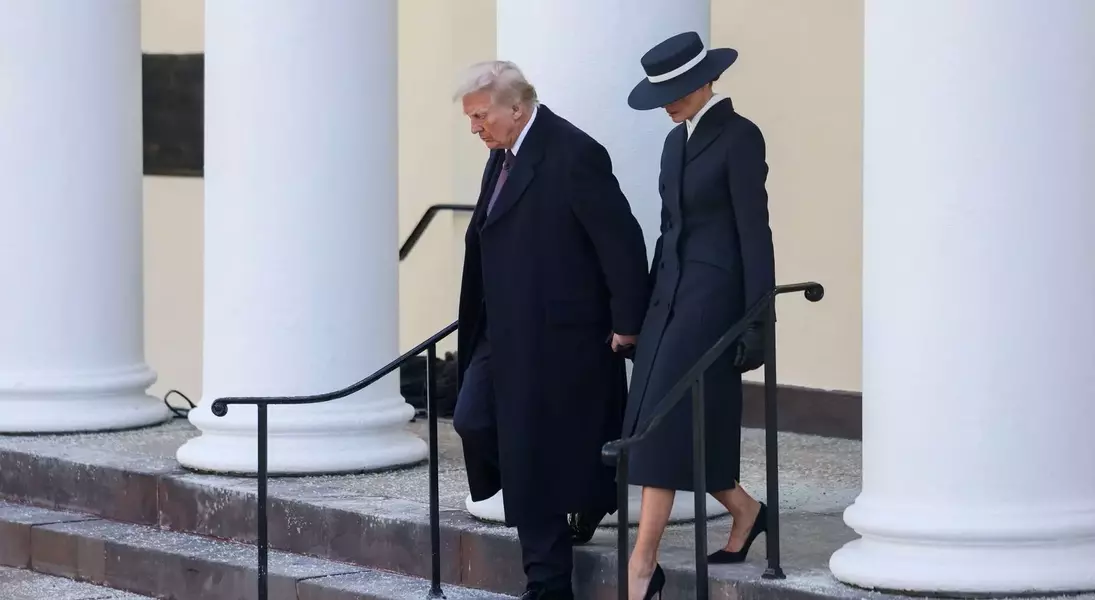
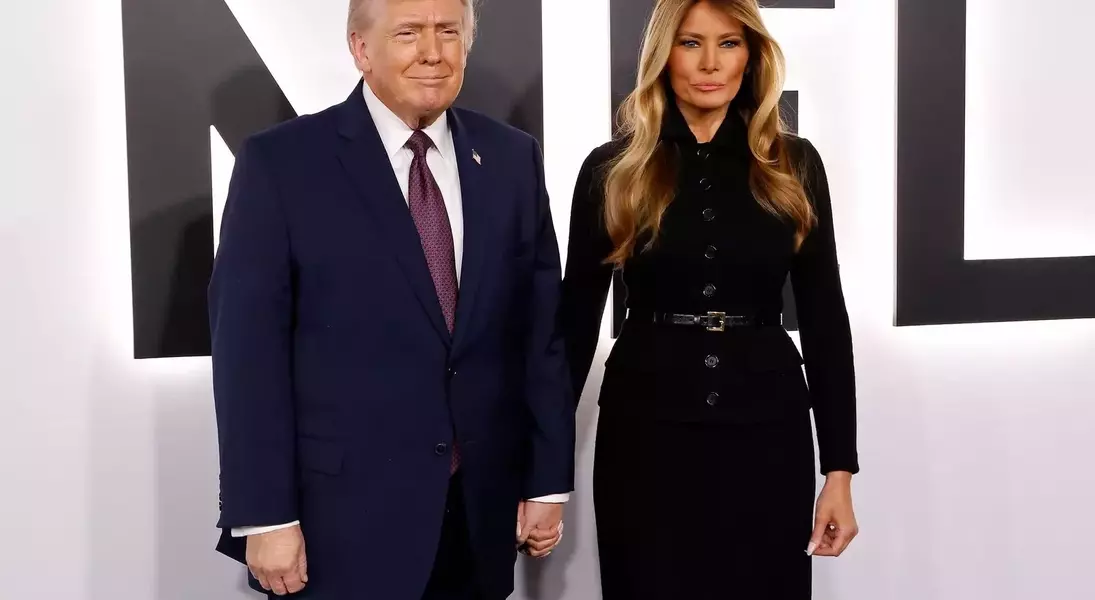
The recent premiere of the documentary "Melania" offers a fascinating glimpse into the public persona and sartorial choices of the former First Lady, Melania Trump. This film, acquired by Amazon MGM Studios, primarily centers on her meticulous approach to image and perception during the crucial twenty-day period preceding President Donald Trump's second inauguration. Far from a deep dive into policy, the documentary emphasizes her extensive wardrobe, White House refurbishments, and the logistical intricacies of her public life, including engagements with international counterparts and her child well-being initiative.
The documentary's debut coincided with a period of heightened political sensitivity in the United States, marked by protests and social unrest. Despite this backdrop, the film largely sidestepped overt political commentary, choosing instead to concentrate on Melania's personal style and her role as a fashion icon. The narrative often drew parallels between her journey and fashion-centric cultural touchstones, underscoring her entrenched connection to the industry. Collaborations with notable fashion figures, such as photographer Ellen von Unwerth and designers like Hervé Pierre and Adam Lippes, further illustrate the deliberate crafting of her public image.
A central theme of the article revolves around the complex relationship between fashion designers and political figures. While the documentary showcases Melania's fashion choices, it offers limited insight into the underlying messages or strategic intent behind her outfits. Stylist Bailey Moon suggests that her selections might simply stem from personal preference rather than a calculated political strategy. However, in today's charged political climate, the origins of clothing worn by those in power carry significant weight, prompting ethical dilemmas for brands and designers.
The discussion extends to the practicalities and politics of dressing high-profile individuals. Designers frequently navigate a fine line between maintaining brand neutrality and confronting the political affiliations of their clients. While some designers, like Ralph Lauren and Thom Browne, have publicly stated their willingness to dress any First Lady out of respect for the office, many others in the industry prefer to remain silent. This reticence often stems from a desire to avoid controversy or perceived political alignment, especially when a brand's values might conflict with a politician's agenda.
The article also highlights the distinction between active and passive participation by brands in a political administration. When a political figure purchases items as a regular client, it presents a different scenario than custom designs or gifted pieces. Long-standing relationships between First Ladies and luxury brands, often cultivated through very important client (VIC) managers, further complicate the narrative. These established connections make it challenging for brands to deny access to clients based on political disagreements, even as some industry professionals question the moral implications of such associations.
Ultimately, the documentary "Melania" and the subsequent discussions it sparks underscore the intricate intersection of fashion, personal branding, and the turbulent world of politics. It illustrates how sartorial choices, even seemingly apolitical ones, can become subjects of intense scrutiny and debate, reflecting broader societal tensions and the evolving responsibilities of designers in a polarized public sphere. The film provides a lens through which to examine how individuals in positions of power project their image and how the fashion industry grapples with the ethical considerations of its role in shaping that narrative.
