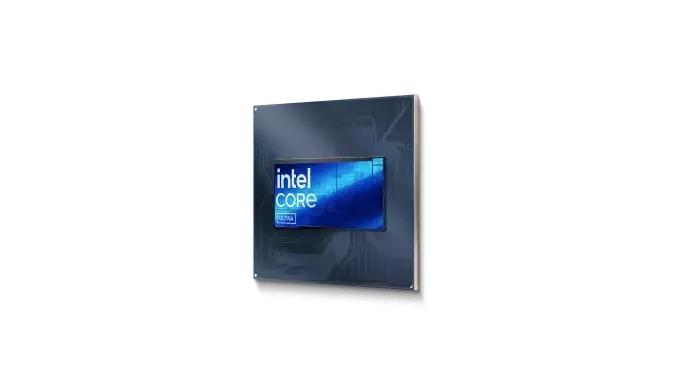
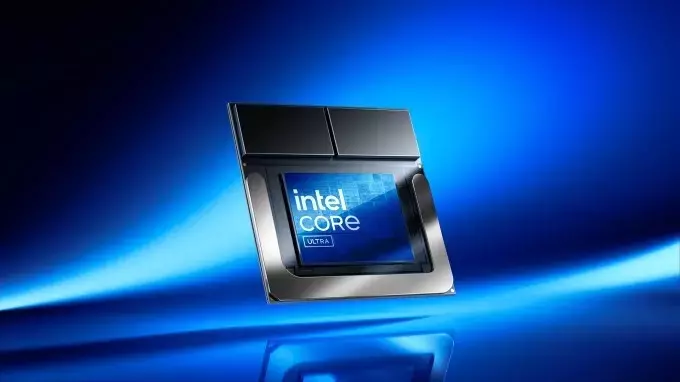
In a bold move to reverse its fortunes, Intel has unveiled an extensive range of new processors at CES 2025. Following a challenging year and the departure of former CEO Pat Gelsinger, Intel aims to address past performance issues and reassert its position in the semiconductor industry. The company's latest offerings span from entry-level to high-performance chips, targeting various market segments including commercial applications, gaming, and lightweight computing. Key features include advanced AI capabilities, improved power efficiency, and enhanced graphics performance. With these innovations, Intel seeks to regain trust and deliver on its promise of technological excellence.
New Processor Lineup Aims to Address Past Challenges and Drive Future Growth
Against the backdrop of a difficult year marred by overheating issues in previous generations, Intel has introduced a comprehensive lineup of processors designed to meet diverse computing needs. At the heart of this announcement is the Core Ultra Series, which includes several variants tailored for different use cases. These processors are available in low-power (35 watts), standard-power (65 watts), and high-power (125 watts) configurations, with core counts ranging from 14 to 24.
The Core Ultra 200V series, previously codenamed Lunar Lake, targets commercial applications with robust security features such as Intel vPro and Microsoft’s Pluton co-processor. Meanwhile, the Core Ultra 200H series, formerly known as Arrow Lake H, is optimized for thin and light devices, offering powerful performance in compact form factors. For enthusiasts, the Core Ultra 200HX series provides top-tier processing power suitable for high-performance notebooks. Additionally, the Core Ultra 200S and Core Ultra 200U series cater to desktop and mobile users respectively, ensuring versatile coverage across the market.
A significant highlight of the new processors is their integration of Intel’s latest Wi-Fi 7 technology and AI acceleration capabilities. The inclusion of a neural processing unit (NPU) in select models enables efficient execution of AI-driven tasks. Intel claims that the new P-cores have been re-engineered for better power management, while the E-cores offer unprecedented efficiency, making these chips ideal for a wide array of applications.
Performance benchmarks reveal impressive gains, with certain models delivering up to 2.9 times better graphics performance and 3.3 times faster AI model inference compared to their predecessors. Systems equipped with these new processors will begin rolling out later this month, with more options becoming available throughout the first quarter of 2025.
From a reader's perspective, Intel's ambitious launch reflects a renewed commitment to innovation and quality. The introduction of advanced features like AI acceleration and improved power efficiency signals a strategic shift towards addressing modern computing demands. As the market awaits the real-world performance of these chips, it is clear that Intel is positioning itself to reclaim its leadership in the tech industry. This move not only promises better products for consumers but also sets a competitive benchmark for other players in the semiconductor space.
