Recent analyses indicate a notable shift in the desktop CPU landscape, with Intel experiencing a resurgence in market share. This development is particularly intriguing as it occurs despite AMD's sustained leadership in high-performance gaming processors, suggesting a complex interplay of market dynamics.
Intel's Resurgence: A Deep Dive into the Desktop CPU Battle
Intel's Unforeseen Market Share Growth
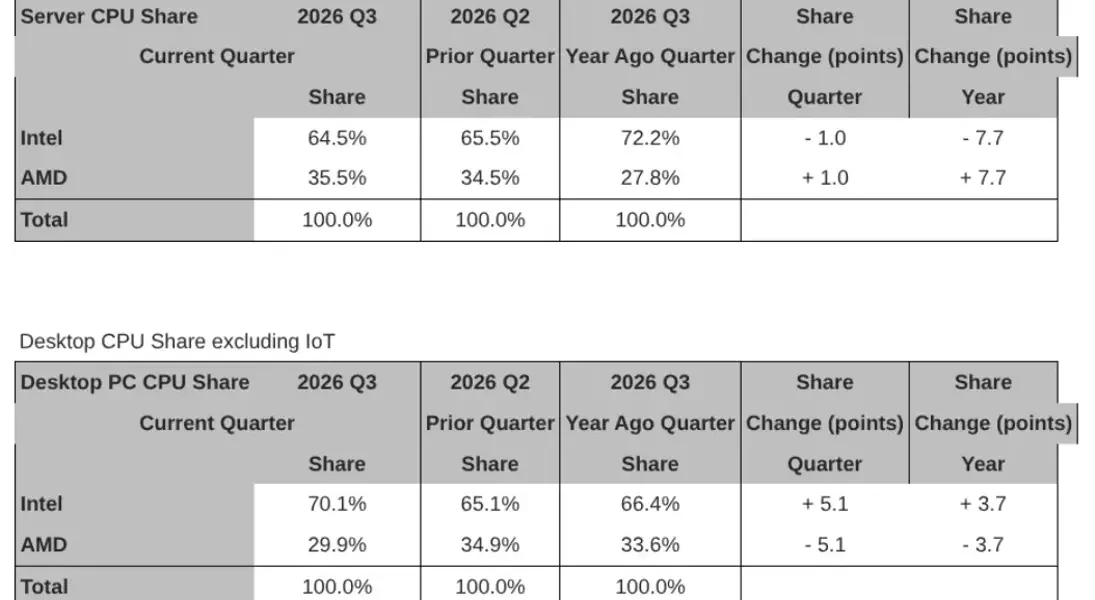
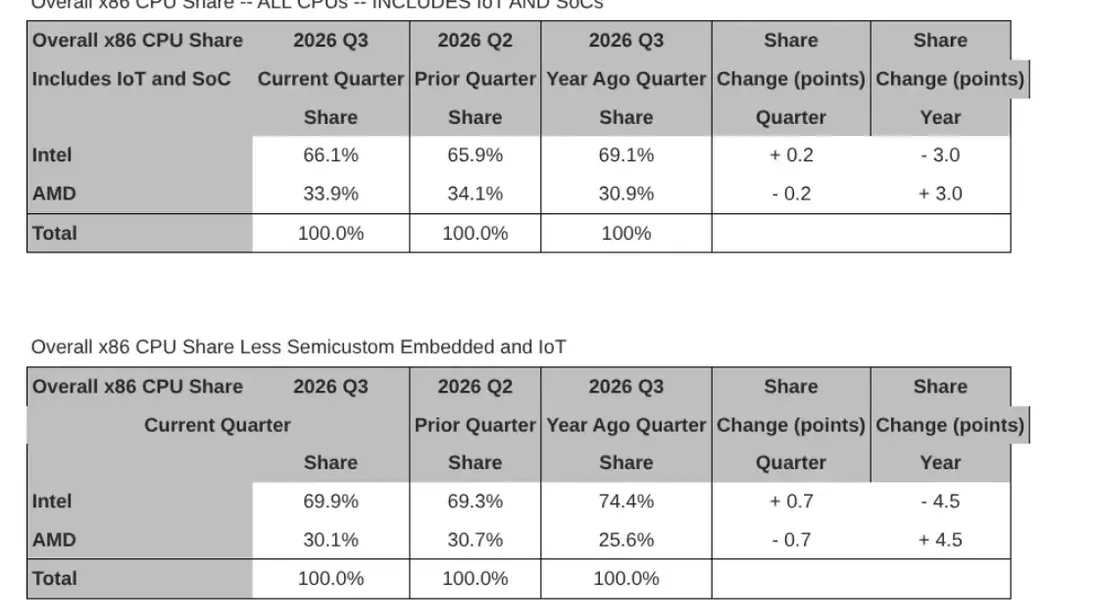
In a surprising turn of events, Intel has reportedly captured a substantial portion of the desktop CPU market from its competitor, AMD. This shift is unexpected, especially considering AMD's consistent dominance in both performance and popularity within the processor industry for an extended period. Mercury Research, a leading market research firm, indicates a significant 5.1% increase in Intel's desktop CPU market share during Q3 2026. This gain is particularly striking when juxtaposed with AMD's struggle to maintain its 35% market share, which had been painstakingly built over a decade, now falling to 29.9% within just three months.
The Gaming Paradox: AMD's Strength as a Weakness?
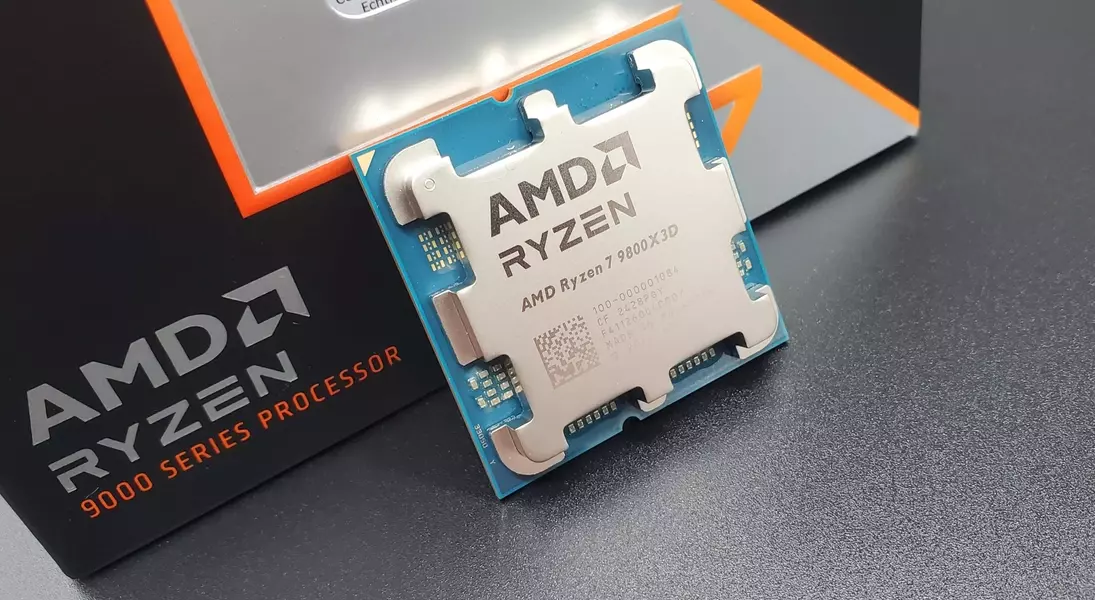
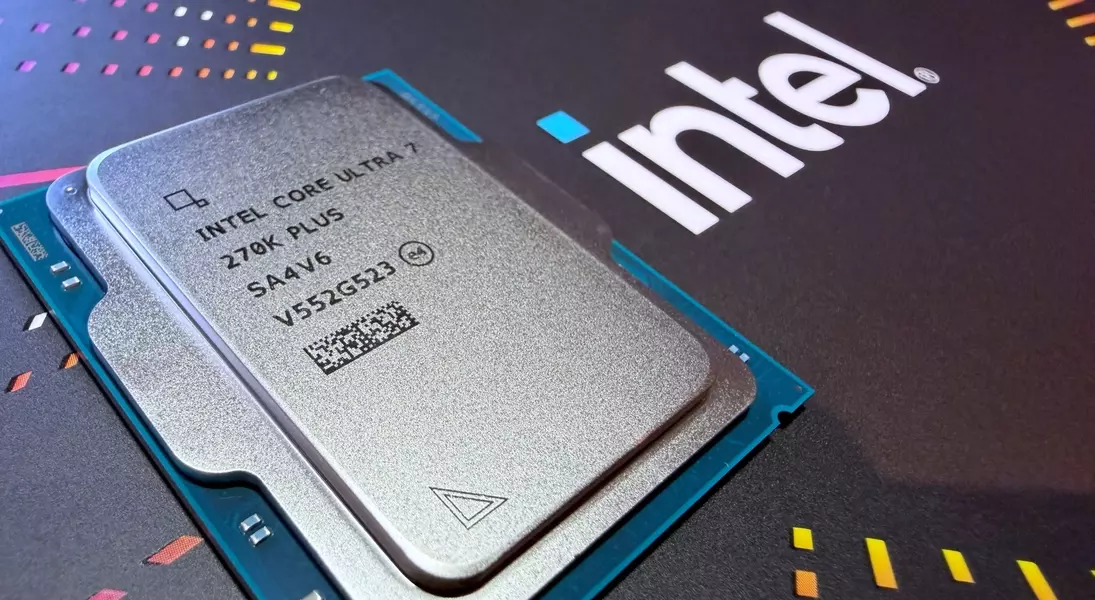
Paradoxically, AMD's strength in producing top-tier gaming CPUs may have inadvertently contributed to its market share decline. While AMD's Ryzen 7 9800X3D is widely regarded as the premier gaming CPU, and numerous other AMD processors are highly recommended for gaming, Intel's latest offerings like the Core Ultra 5 250K Plus, despite not matching AMD's gaming prowess, have seen increased adoption. One theory suggests that the broader PC gaming market has been stifled by factors such as inflated GPU prices, a sentiment echoed by many gamers who are hesitant to invest in new PC builds due to the prohibitive cost of components. This stagnation in the gaming sector could have disproportionately affected AMD, given its strong focus and market penetration in this niche.
Uncertainties and Explanations for the Market Shift
Mercury Research acknowledges the unusual nature of this market fluctuation, admitting that the exact drivers are not entirely clear. One hypothesis posits that reduced demand for mobile CPUs allowed Intel to divert more of its product inventory to the desktop market, which typically experiences a seasonal boost in Q3. Unlike Intel, AMD did not appear to benefit from this seasonal increase. This suggests a potential strategic advantage for Intel in optimizing its supply chain to meet desktop demand. Another perspective highlights AMD's “greater exposure” to the PC gaming market, meaning the slowdown in gaming-related hardware sales might have hit AMD harder.
Beyond Gaming: The Broader Economic Context
The changes in market share are set against a backdrop of a shrinking consumer CPU market. Mercury Research reported a considerable drop in desktop CPU volumes in Q2 2026, with both Intel and AMD experiencing over 10% decline in mobile chip shipments during Q3 2026. This indicates that both companies are operating in an increasingly competitive environment, vying for a smaller pool of consumers. Despite Intel's recent market share gain, the company has faced a significant share price reduction due to subdued sales expectations in a weak PC market. Meanwhile, AMD is projected to surpass Intel in total revenue by the end of the year, driven largely by its expanding data center chip business. This suggests a strategic pivot for AMD, focusing more on enterprise solutions while Intel grapples with a struggling consumer segment.