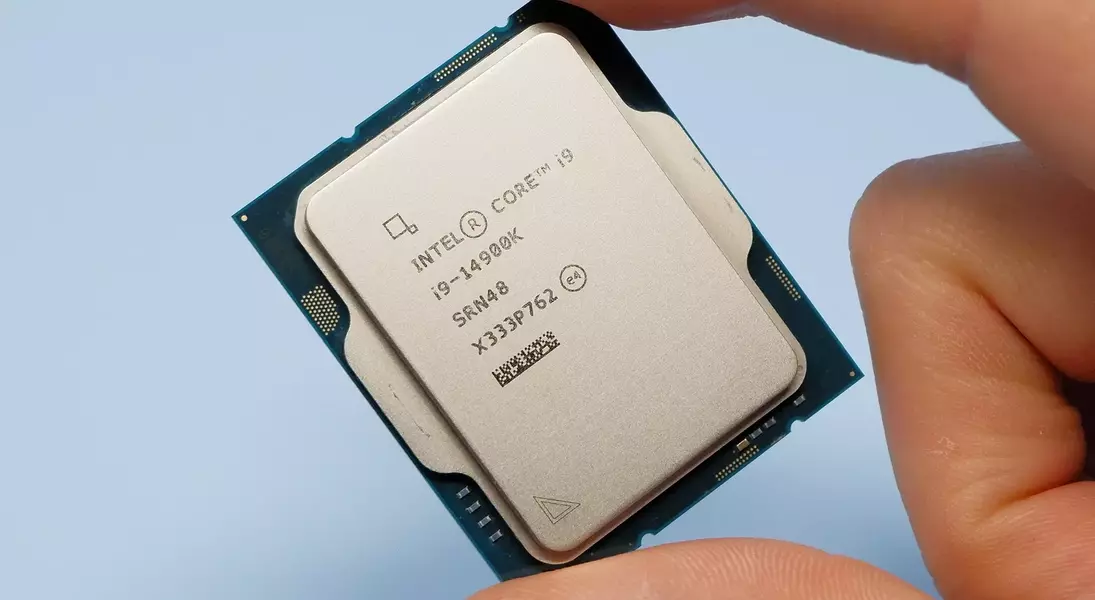
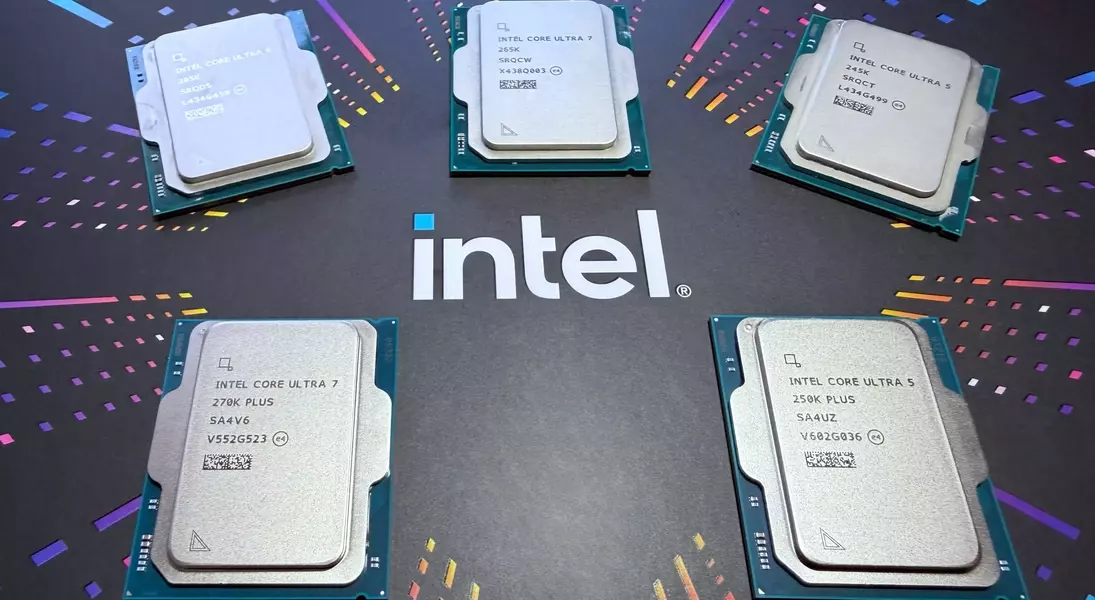

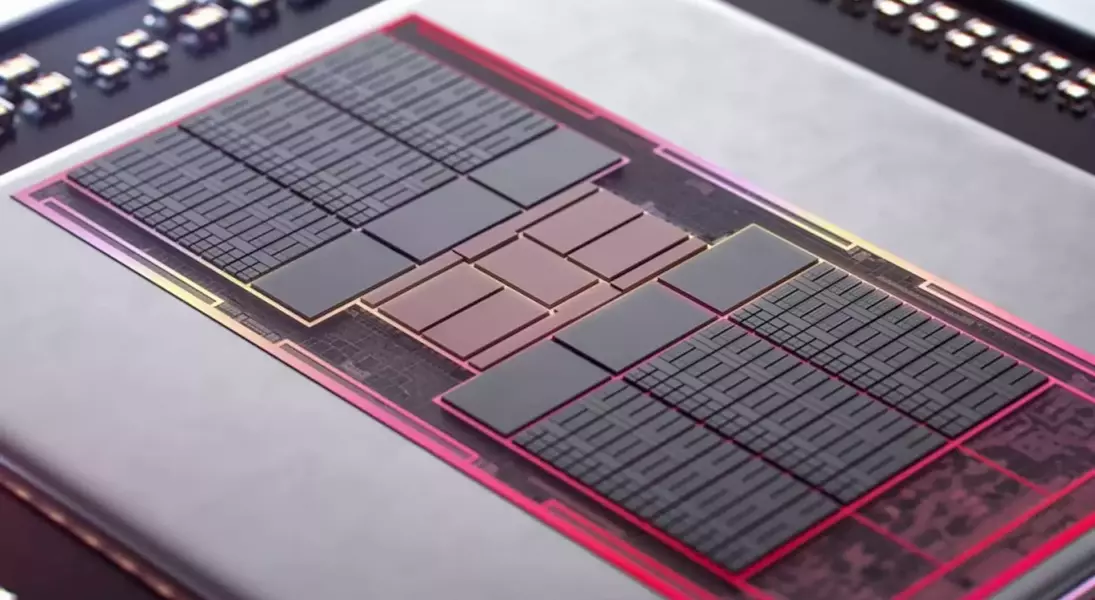
Intel's recent processor releases, including the Arrow Lake Refresh and Panther Lake series, indicate a significant strategic evolution in its engagement with the consumer market. This article delves into how the company, once criticized for its previous generation of chips, is now earning praise for its renewed focus on performance, efficiency, and customer satisfaction, marking a new chapter in its storied history.
Intel's Resurgence: A New Era of Consumer-Focused Processors
The Dawn of Arrow Lake Refresh: A Surprising Comeback
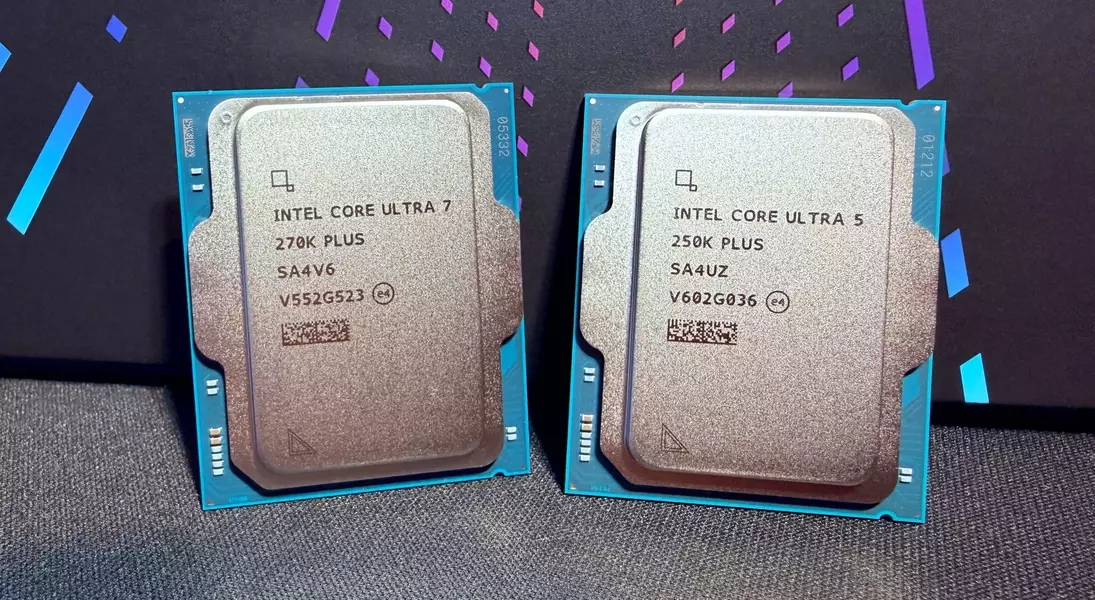
After a period characterized by cautious releases and tempered expectations, Intel's Core Ultra 200S processors emerged, defying prior anticipations. Despite earlier leaks and rumors, the actual performance metrics of chips like the Core Ultra 7 270K Plus and the Core Ultra 5 250K Plus proved to be remarkably strong. This unexpected surge in capability, particularly from what were considered refresh products, underscored a deeper transformation within Intel, moving beyond mere incremental improvements.
Shifting Tides: From Hesitation to Confidence in Intel's Strategy
The initial launch of the original Core Ultra 200S series was met with a degree of uncertainty from Intel's representatives, reflecting a cautious stance on their then-new architecture. Questions about the processors' competitive edge against AMD's Zen 5 Ryzen chips often received guarded responses, largely due to the "okay" performance observed in many applications. However, a stark change in demeanor accompanied the Arrow Lake Refresh launch, with Intel's leadership exuding confidence, a sentiment justified by the compelling performance and value offered by the new chips.
Performance Redefined: The Impact of Arrow Lake Refresh Processors
The Core Ultra 5 250K Plus, priced competitively at $199, quickly established itself as a top contender in various benchmarks, challenging established mid-range CPU recommendations. Similarly, the Core Ultra 7 270K Plus, only slightly more expensive, demonstrated formidable processing power. This impressive showing wasn't merely a stroke of luck but a reflection of systemic changes within Intel, including significant internal restructuring and a pronounced emphasis on consumer feedback, moving past previous disappointments.
Beyond the Refresh: Intel's Broader Vision with Panther Lake and Future Sockets
Intel's renewed vigor isn't confined to desktop processors. The Core Ultra 300 series (Panther Lake) showcases immense potential for laptops and handheld gaming devices, though its full impact is currently limited by global memory supply challenges. This progressive outlook extends to future desktop PC sockets, with Intel indicating a commitment to longer-lasting compatibility across multiple generations of processors. This promise signals a departure from frequent socket changes, addressing a long-standing consumer pain point.
Learning from the Past: A New Direction for Chip Development
The current successes stand in stark contrast to past challenges, such as the power-hungry Raptor Lake processors, which were known for their high consumption and occasional operational issues. Intel's evolution reflects a conscious effort to address these shortcomings, resulting in more power-efficient, versatile desktop and mobile chips with integrated GPUs. This strategic pivot is a direct response to increasing competition from AMD in the x86 market and the growing presence of Arm processors, compelling Intel to innovate and prioritize consumer needs.
A Customer-Centric Future: Intel's Promise and the Path Ahead
Intel's recent engagements with the tech community have been notably energetic and optimistic, a significant shift from previous, more subdued presentations. This renewed approach, coupled with a commitment to consistent driver updates for its graphics cards, underscores a genuine effort to rebuild trust and cater to market demands. While only time will tell if Intel maintains this trajectory, the current indications suggest a company that is actively listening and adapting, offering competitive products that align with consumer expectations for performance, value, and longevity.
