Intel is committed to keeping its Raptor Lake processors a central part of its product offerings for the foreseeable future. This decision is driven by a strong consumer demand for cost-effective computing solutions, especially given the current landscape of memory pricing. By sustaining the availability of these 10nm chips, Intel provides an accessible alternative for users who prefer to utilize existing DDR4 infrastructure or seek more budget-friendly upgrades without sacrificing significant performance.
The market has seen unexpected fluctuations in the cost of both DDR4 and DDR5 memory, making the affordability of older, yet powerful, CPU generations particularly appealing. Intel's strategy ensures that builders can still assemble high-performance systems with Raptor Lake CPUs, potentially combining them with more readily available and cheaper DDR4 memory. This approach responds directly to the economic realities faced by many PC enthusiasts and highlights a flexible response to dynamic market conditions.
Intel's Long-Term Commitment to Raptor Lake Processors
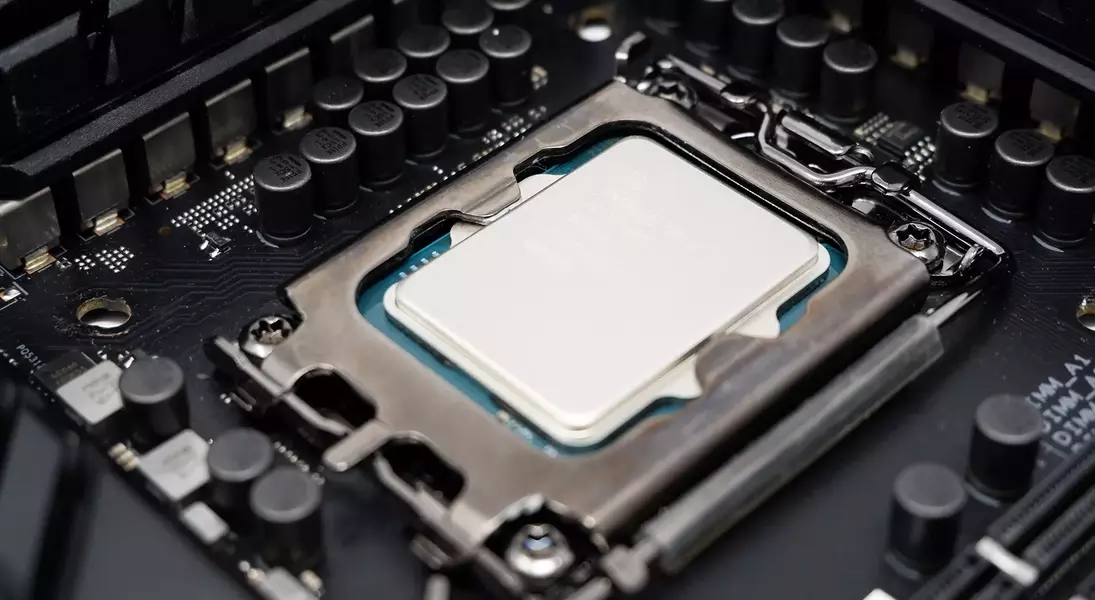
Intel's enthusiast channel business Vice President and General Manager, Robert Hallock, recently affirmed that Raptor Lake processors, fabricated on the 10nm process, will remain a fundamental component of Intel's portfolio for many years. This strategic continuation is designed to cater to a segment of the market that values the compatibility with LGA 1700 sockets and the ability to leverage DDR4 memory. Hallock indicated that Intel aims to stabilize pricing for these components, restoring market normalcy, a plan that directly benefits consumers looking for sustained value.
The longevity of Raptor Lake chips, combined with the enduring relevance of DDR4, presents a compelling proposition for PC builders. Despite the recent escalation in memory prices, obtaining a respectable 32GB DDR4 kit remains considerably more affordable than its DDR5 counterpart. This financial advantage, coupled with the availability of DDR4-supporting motherboards, positions Raptor Lake as an attractive option for those building new systems or upgrading existing ones, providing excellent performance for the investment.
Market Dynamics and Consumer Demand for Accessible Hardware
The unexpected resurgence in demand for older generation hardware, including Raptor Lake CPUs, caught Intel by surprise. This phenomenon is largely attributed to consumers seeking optimal performance within a constrained budget, making chips like Alder Lake and Raptor Lake highly desirable. The challenge for Intel lies in adjusting production forecasts to meet this unforeseen demand, which materializes long after initial manufacturing plans are set.
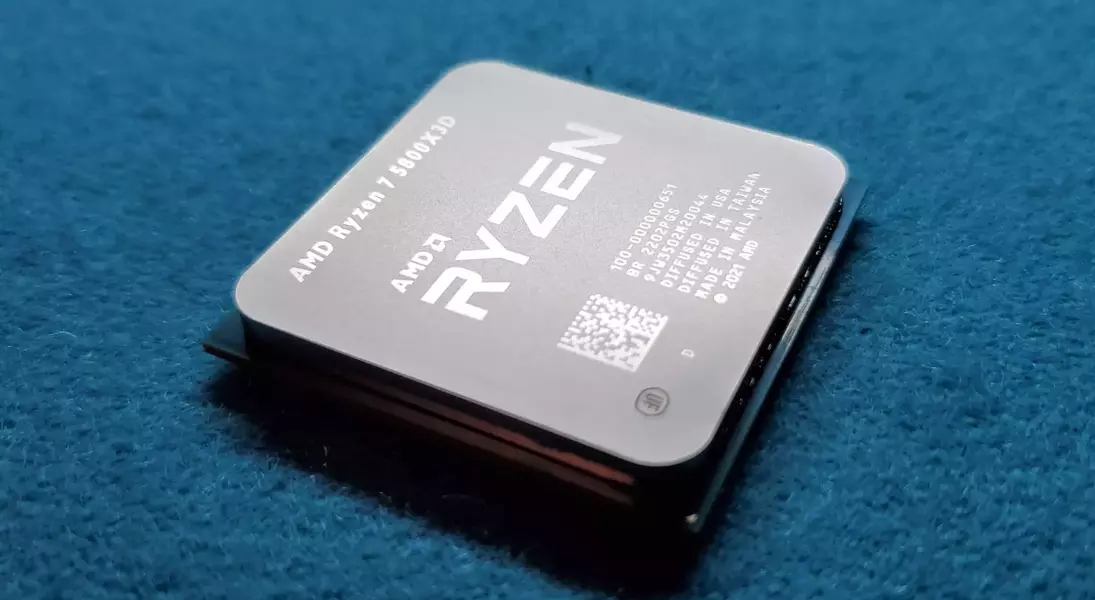
This trend extends beyond Intel, with AMD also reintroducing its Ryzen 7 5800X3D, an AM4 chip with DDR4 support. Such moves underscore a broader market shift where hardware manufacturers are re-evaluating their product lifecycles to meet consumer needs for more affordable, yet capable, components. The ongoing debate around whether this reflects a healthy, consumer-driven market or a response to adverse economic conditions highlights the complexity of the current hardware landscape, hinting at a potential period of consolidation before truly next-generation technologies become widely adopted.
