For years, the tech landscape has seen a clear distinction: AMD offered enduring platform compatibility, while Intel frequently introduced new socket designs. This trend, often perceived as a rapid cycle of upgrades, might soon change. Intel's Vice President and General Manager of the Enthusiast Channel, Robert Hallock, has indicated a future direction focused on prolonging the lifespan of their motherboard sockets. This potential shift signals a new era for Intel users, promising greater stability and reduced upgrade frequency.
A New Era for Intel Motherboards: Enduring Compatibility on the Horizon
Intel's Commitment to Extended Socket Lifespan
Robert Hallock, Intel's Enthusiast Channel VP, recently hinted at a future where Intel CPU sockets would support more generations of processors. His affirmation, though brief, suggests a significant change in Intel's approach to motherboard compatibility, moving towards a model that prioritizes user investment and reduces the need for frequent platform overhauls.
The Influence of AMD's Longevity Model
Hallock's background, including his previous role at AMD, provides context for this potential strategic shift. AMD has historically been praised for its commitment to socket longevity, with platforms like AM4 supporting multiple CPU generations. This has given AMD users a clear advantage in upgrade pathways, a benefit Intel now appears keen to emulate. This change reflects an acknowledgment of consumer demand for more sustainable hardware ecosystems.
Current Socket Landscape and Future Prospects
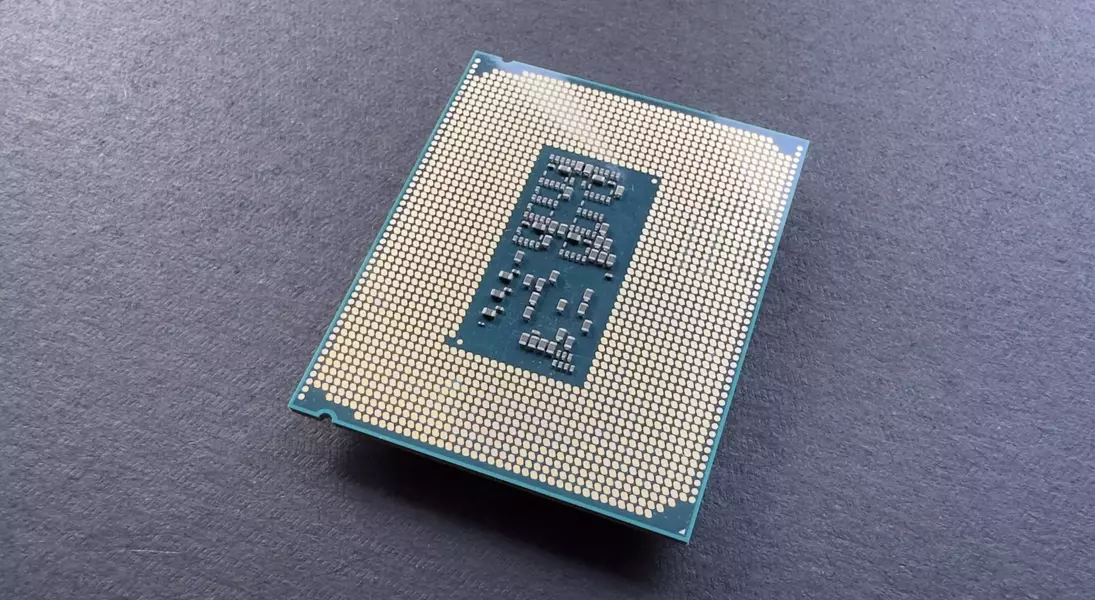
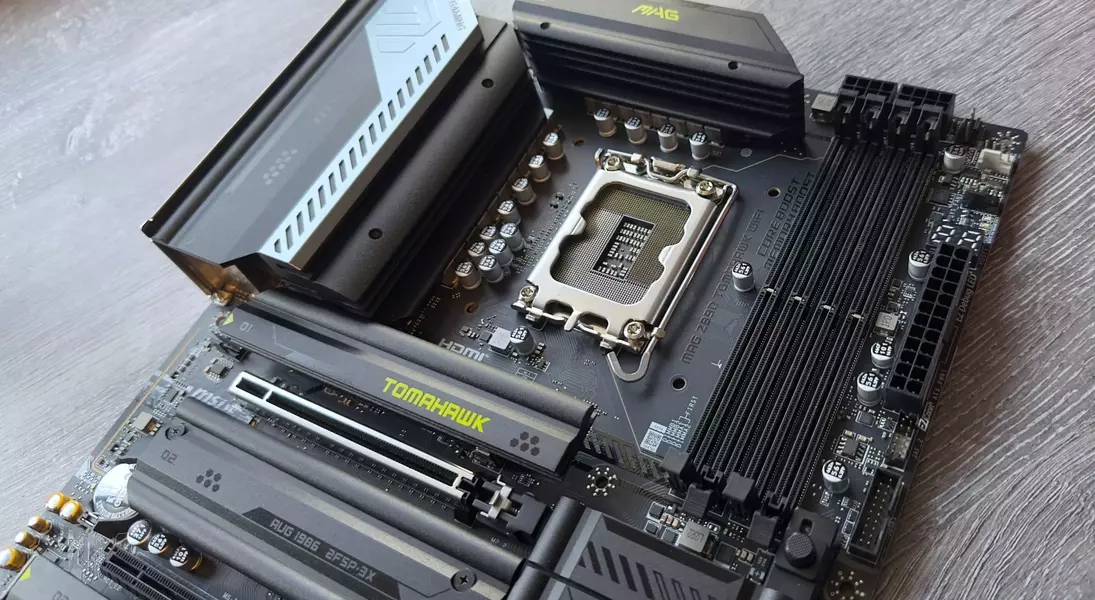
Presently, Intel's Arrow Lake and Arrow Lake Refresh desktop CPUs utilize the LGA 1851 socket. However, upcoming Nova Lake processors are anticipated to introduce a new LGA 1954 socket, maintaining the pattern of requiring new motherboards for significant upgrades. If Intel indeed moves towards longer-lasting sockets, this current cycle of mandatory motherboard replacements could become less frequent, benefiting consumers by reducing overall upgrade costs and complexities.
Competitive Implications in the Processor Market
The potential for Intel to adopt a multi-generational socket strategy would intensify competition with AMD. AMD has explicitly pledged support for its AM5 socket through 2027 and beyond, offering a compelling reason for users to invest in their platform. Should Intel follow suit, coupled with technological advancements like Nova Lake's rumored adoption of TSMC's N2 node, the battle for the best gaming CPUs could become even more fiercely contested, pushing both companies to innovate further for consumer benefit.
A Customer-Centric Philosophy Driving Change
Intel's evolving strategy appears to stem from a renewed focus on customer feedback and experience. The company acknowledges that its new engineering teams for gaming CPUs are acutely aware of user sentiments regarding product longevity and upgrade paths. This customer-centric approach, driven by a team passionate about PC building, suggests a commitment to delivering products that not only perform well but also offer enduring value and flexibility to the enthusiast community.
