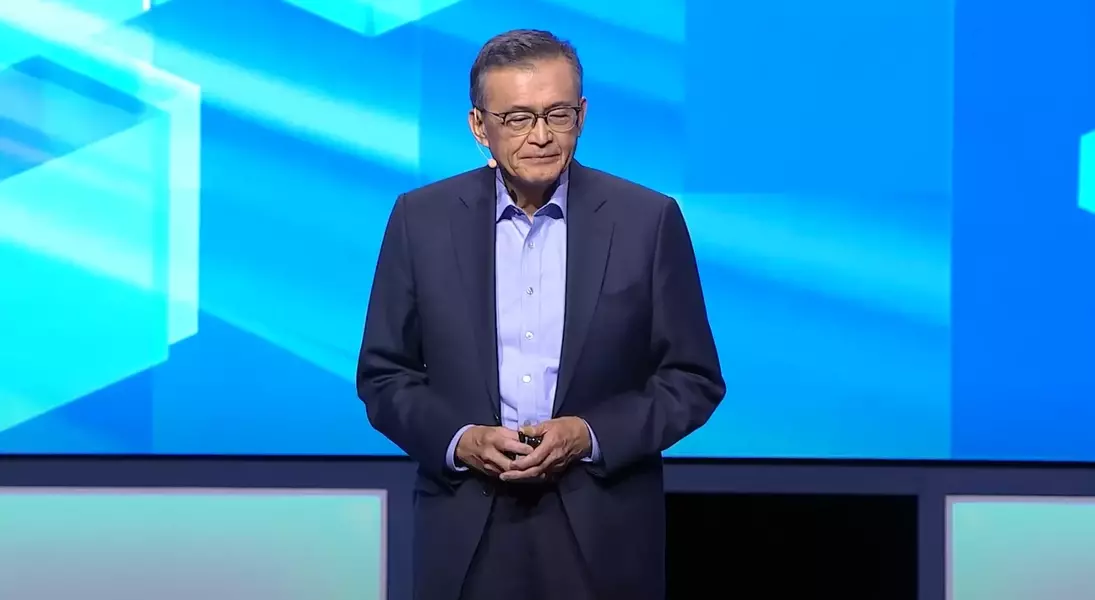
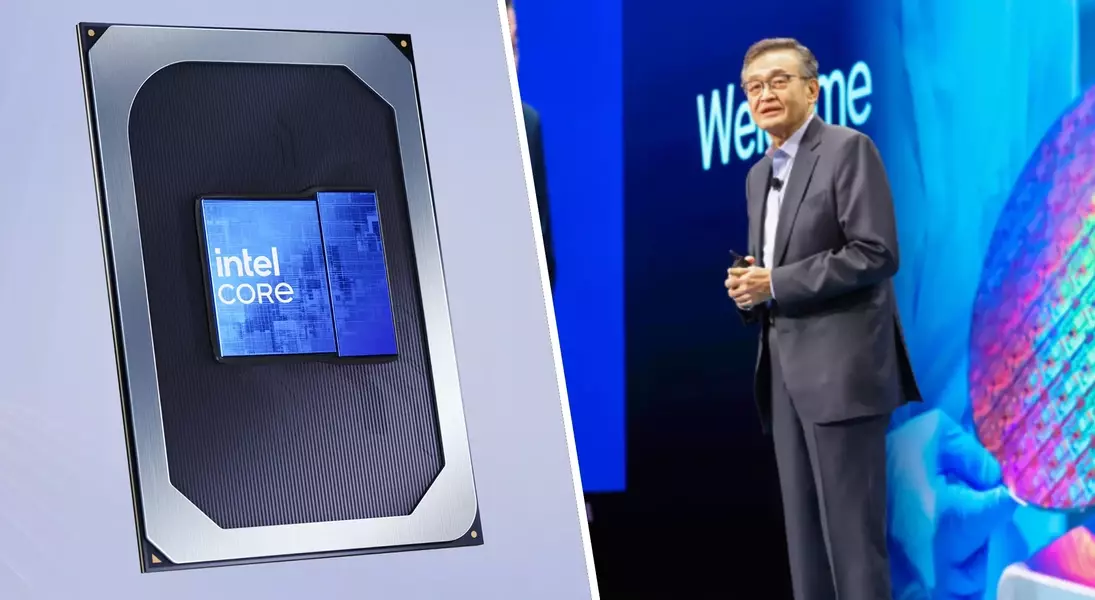
Intel CEO Lip-Bu Tan recently engaged in a conversation where he shed light on the chipmaker's resurgence, attributing the positive shift to strategic changes implemented during his leadership. He openly acknowledged previous missteps within the company, stating that a significant part of the recovery involved rectifying those errors and simplifying the product development roadmap.
A pivotal change, as highlighted by Tan, was centralizing engineering reporting directly to him. This contrasts sharply with the prior organizational structure where various teams operated in silos, and their reports often went unheeded by the CEO. This direct line of communication has enabled him to gain a clearer understanding of underlying issues, allowing for a more focused approach to engineering, product redesign, and the development of high-impact products.
This hands-on management style has visibly yielded positive outcomes, as evidenced by Intel's improved financial performance. Tan pointed to the advancements in Intel Foundry, specifically the initial challenges with the 18A yield, which saw significant improvement after engaging with ecosystem partners. He proudly noted a consistent monthly yield improvement of seven to eight percent, aligning with industry standards. Furthermore, Intel is aggressively pursuing the 14A process, with risk production planned for 2028 and volume production by 2029, aiming to compete directly with industry leader TSMC. Tan's emphasis remains on collective effort and fostering strong customer relationships, which he believes are crucial for building trust and sustained success.
Intel's journey from past difficulties to a promising future underscores the power of decisive leadership, strategic realignment, and a commitment to innovation. By embracing transparency, prioritizing core engineering, and fostering collaboration, the company is poised for continued growth and technological leadership, setting a commendable example for overcoming adversity in the dynamic tech industry.
