Instagram, a prominent social media giant, is poised to introduce a suite of new functionalities, drawing inspiration from rival platforms while refining existing, at times contentious, features. This strategic evolution highlights a continued effort to adapt and innovate within the dynamic digital landscape, aiming to enhance user experience and content dissemination.
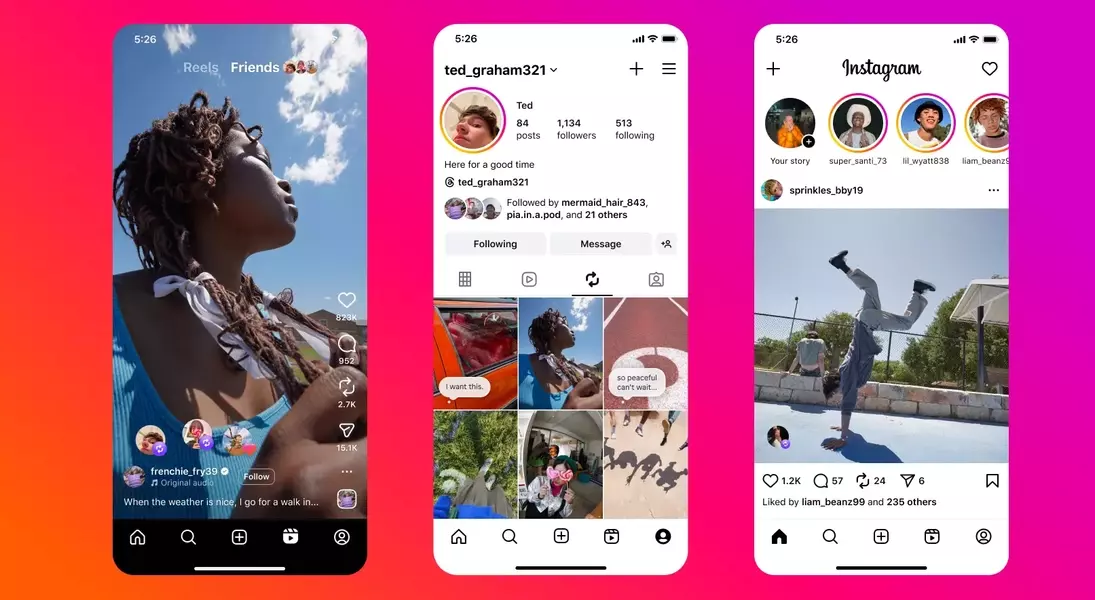
A significant forthcoming addition is a dedicated reposting mechanism for public Reels and grid posts. This new functionality, which bears a strong resemblance to TikTok’s sharing model, will allow users to seamlessly re-share content, effectively enabling a “reblogging” experience directly within the Instagram ecosystem. Reposted content will appear in a designated tab on user profiles and also integrate into followers' main feeds, marking a notable departure from the previous reliance on Instagram Stories for content sharing.
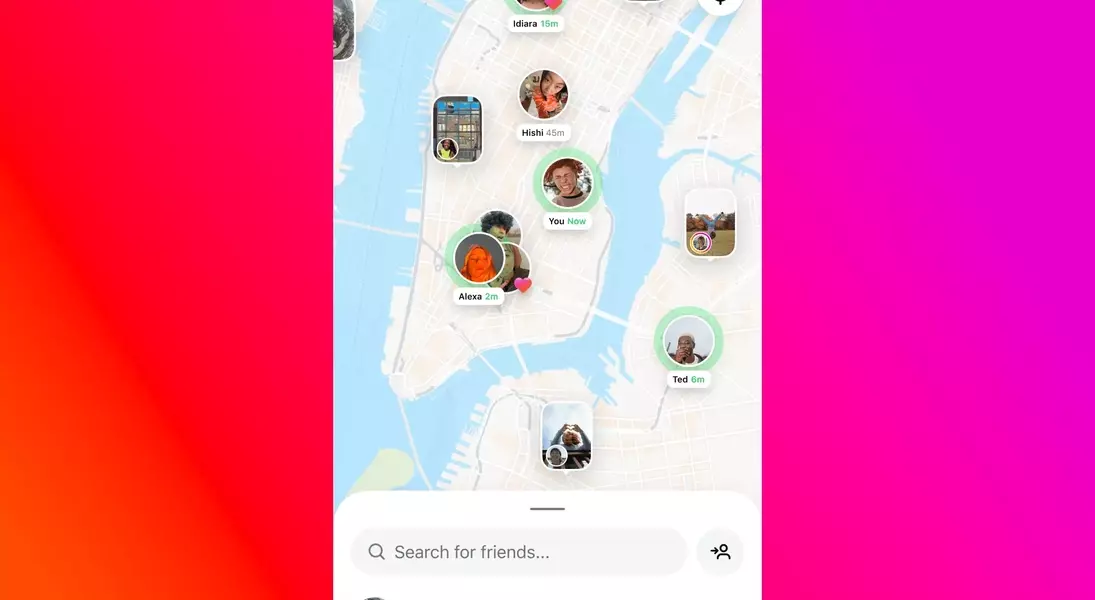
Furthermore, Instagram is set to incorporate an opt-in location map feature within its private messaging interface. This innovative tool, which echoes Snapchat’s popular Snap Map, will display the last active locations of friends who have consented to share this data. The map will also aggregate public content from specific geographic areas, such as music festivals, offering a localized view of events and interactions. This integration aims to foster more dynamic and spatially aware social connections.
In response to user feedback and concerns, Instagram is also refining its "liked Reels" tab. Previously, this feature, which displays Reels content that friends have engaged with, raised privacy eyebrows, particularly following its initial rollout in the United States in January. The updated version, now available globally, provides enhanced user controls, allowing individuals to hide their likes and reposts from public view and even mute the interactions of other users if desired. This adjustment seeks to address past criticisms by empowering users with greater autonomy over their digital footprint.
These incremental changes reflect Instagram's ongoing evolution in response to competitive pressures and user demands. As the platform increasingly prioritizes short-form video content to contend with TikTok's dominance, the visibility of traditional photo posts has diminished. The new repost feature may further accentuate this trend, shifting the emphasis away from original content on profile pages towards a more aggregated, recommendations-driven feed. While these updates aim to enrich the platform's offerings, they also underscore a broader challenge for content creators who observe a decreasing reach to their established follower bases, sometimes feeling that new features add bloat rather than value. The effectiveness of these new additions in satisfying both casual users and long-standing creators remains to be seen.
