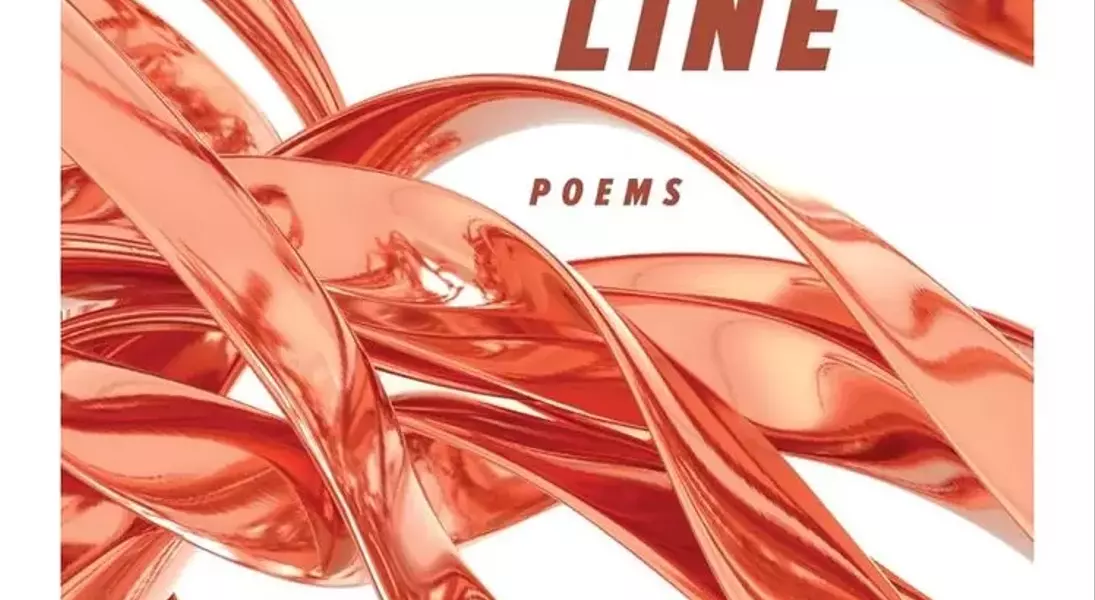

Kyle Carrero Lopez, in unveiling his initial poetry compilation, 'Party Line,' shares the diverse literary works that fueled his creativity. His collection delves into profound subjects such as Cuban-American dynamics, the multifaceted nature of Black identity across geographical boundaries, and the intricate world of queer nightlife. Lopez points to five books that significantly influenced his distinctive poetic voice, encompassing the works of Ai Ogawa, Lucille Clifton, Philip Larkin, E. Hughes, and Assata Shakur. These chosen texts reflect a broad spectrum of artistic approaches and viewpoints that have enriched Lopez's deeply personal and socially aware writing, providing a comprehensive understanding of the literary landscape that informed 'Party Line.'
Through these influential works, Lopez crafts a narrative that is both introspective and outward-looking, blending personal experiences with broader societal observations. His poetry navigates the complexities of cultural heritage and individual experience, making his debut collection a compelling and resonant contribution to contemporary literature. The interweaving of various inspirations creates a rich tapestry of themes and emotions, inviting readers to explore the intricate connections between identity, community, and the human condition as depicted through his unique lens.
The Poetic Foundation of 'Party Line'
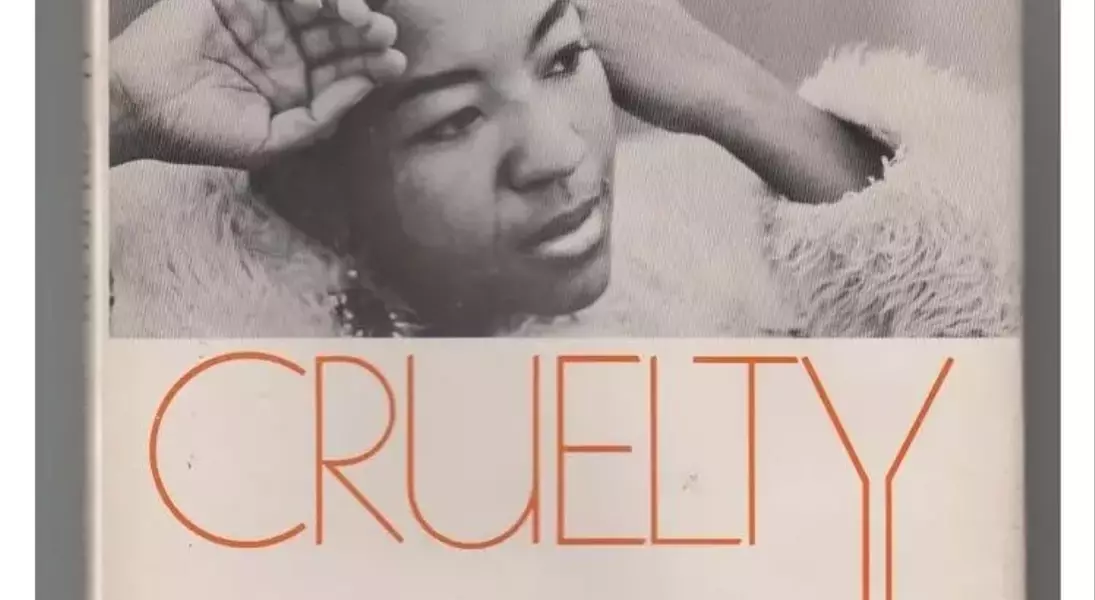
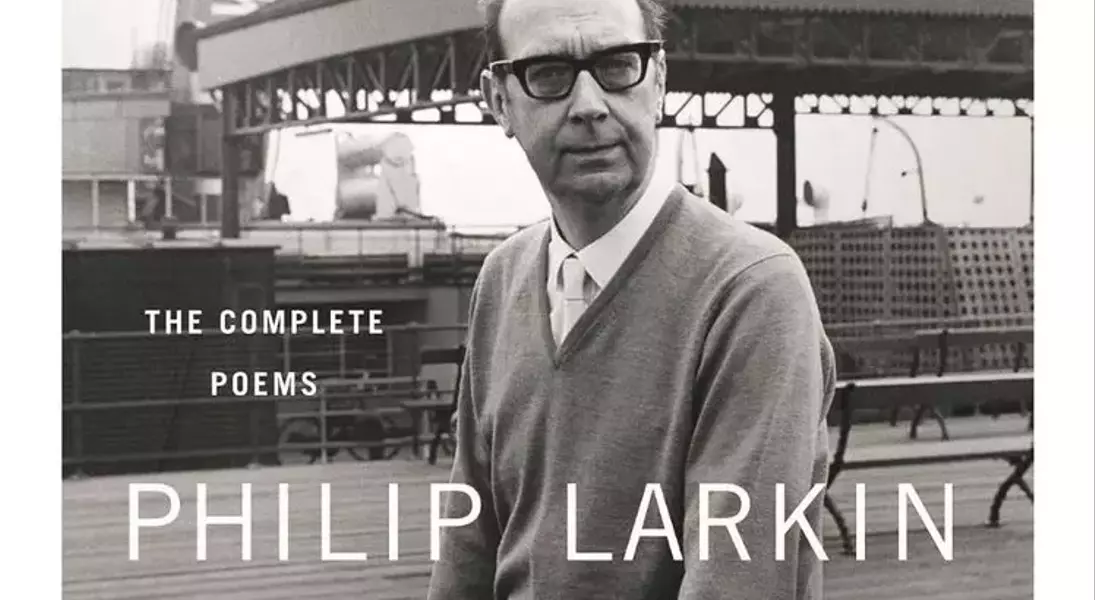
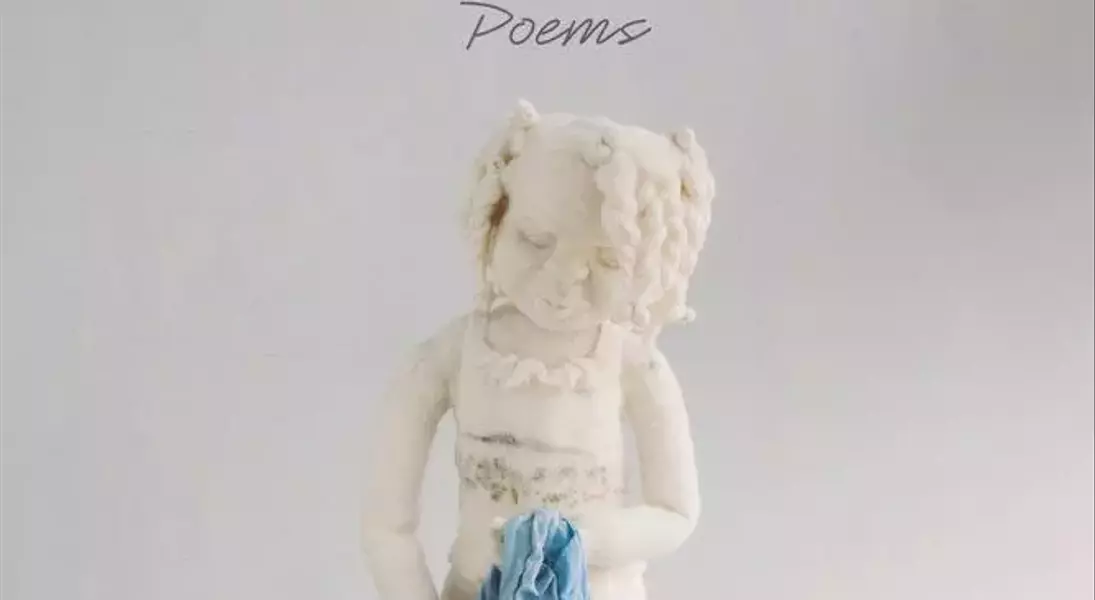
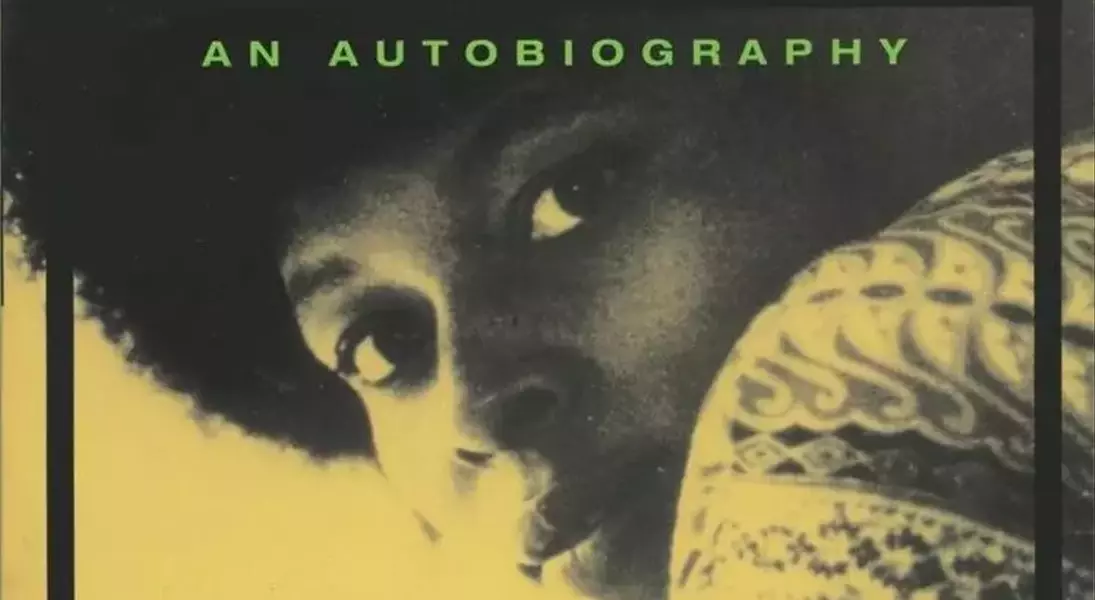
In his inaugural poetry anthology, 'Party Line,' Kyle Carrero Lopez embarks on a literary exploration of diverse themes, from the intricate relationship between Cuba and America to the complexities of Black identity across international borders, and the vibrant yet often challenging landscape of queer nightlife. He attributes the formation of his unique poetic expression to a selection of five pivotal works. These include Ai Ogawa's 'Cruelty,' Lucille Clifton's 'Collected Poems,' Philip Larkin's 'The Complete Poems,' E. Hughes's 'Ankle-Deep in Pacific Water,' and 'Assata: An Autobiography' by Assata Shakur. Each of these texts has played a crucial role in shaping Lopez's artistic vision, providing both thematic guidance and stylistic inspiration for his profound and socially engaged poetry.
Lopez's choice of inspirations reveals a deliberate engagement with poets who explore personal and political landscapes with unflinching honesty and innovative forms. From Ogawa's use of persona to Clifton's profound celebration of Black humanity, and Larkin's incisive social commentary, Lopez draws from a rich literary heritage. E. Hughes's ability to transform mundane observations into philosophical insights, alongside Shakur's seamless integration of poetry into autobiography, further enriches Lopez's approach. This curated list demonstrates how 'Party Line' is not merely a collection of poems but a dialogue with literary forebears, where Lopez absorbs and reinterprets their lessons to articulate his own experiences of identity, community, and critique within the contemporary world.
Diverse Voices Shaping Contemporary Poetics
Kyle Carrero Lopez’s 'Party Line' stands as a testament to the power of diverse literary influences, weaving together complex narratives of identity, culture, and community. He specifically acknowledges Ai Ogawa's 'Cruelty,' noting its impact on a poem in his collection, 'Cuba, 2022,' which serves as a contemporary response to Ogawa's 'Cuba, 1962.' Lopez admires Ogawa's masterful deployment of persona, a technique that allows for multifaceted perspectives within his own work. Furthermore, Lucille Clifton's 'Collected Poems' provided a profound source of inspiration, particularly for its unwavering love and articulate expression of Black experiences, resonating deeply with Lopez's own commitment to celebrating Black identity, as evidenced in his poem 'Chalkboard.'
His literary journey also includes Philip Larkin's 'The Complete Poems,' a work he encountered during his college years. Larkin's 'Party Politics' in particular, with its astute observations on social dynamics, found its way into Lopez's lyrical essay 'Public Policy,' illustrating how social status dictates access and privilege. E. Hughes's 'Ankle-Deep in Pacific Water' sparked the creation of Lopez's 'Anarchic Ode,' inspired by an encounter with pigeons exhibiting disregard for human-imposed order—a metaphor for philosophical and poetic freedom. Lastly, Assata Shakur's autobiography, which fluidly integrates poetry into its narrative, inspired a poem imagining an encounter with Shakur in Havana, highlighting her escape from a New Jersey prison as a central motif. These influences collectively underscore Lopez's ability to synthesize a wide array of voices and themes into a cohesive and impactful debut collection.
