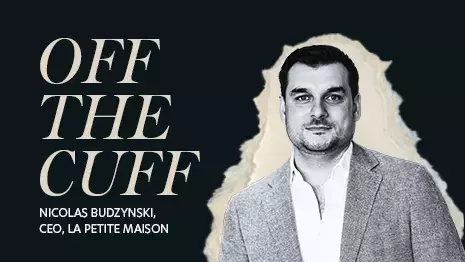
Nicolas Budzynski, the CEO of La Petite Maison restaurants, shares his professional journey and insights into the evolving luxury dining industry. In this exclusive interview, he discusses pivotal moments in his career, the importance of simplicity in business, and how the luxury sector has transformed over the past two decades. Budzynski emphasizes the value of exclusivity and craftsmanship in an increasingly mass-market world, offering a glimpse into what the future holds for high-end dining experiences.
A Culinary Leader Reflects on Career Milestones and Future Trends
In the vibrant culinary landscape of today, Nicolas Budzynski's path to becoming the CEO of La Petite Maison restaurants is marked by significant milestones. His first job as a management trainee at the prestigious Burj Al Arab hotel in Dubai in 2006 was a defining moment. Freshly graduated from the Institute Paul Bocuse in Lyon, France, Budzynski initially thought working at one of the world’s best hotels would be the pinnacle of his career. However, he soon realized that the rigid hierarchy did not align with his aspirations. With the support of his mentors, he transitioned to the restaurant division of Jumeirah Group, where he found his true calling.
Budzynski attributes his success to flexibility and a solution-driven mindset. These skills were honed during his formative years and further developed throughout his career. He learned the importance of focusing on essential actions that significantly impact business outcomes. A key piece of advice he received early in his career was "less is more," emphasizing the power of simplicity and efficiency. This principle has guided him through various challenges, including his tenure at Zuma in Istanbul and Hong Kong from 2014 to 2018.
The luxury industry has undergone substantial changes since Budzynski began his career. Once a niche market, luxury has become more accessible due to advancements in technology and social media. He predicts that ultra-luxury will redefine itself through exclusive experiences and a resurgence of craftsmanship. Budzynski is particularly intrigued by the evolving nature of luxury dining, which has shifted towards entertainment and bold presentations. He foresees a trend where fewer but more meaningful experiences will prevail, especially as alcohol consumption declines.
When asked about his ideal lunch companion, Budzynski named Stephen Starr, a renowned restaurateur known for his innovative concepts. Starr's ability to consistently deliver successful ventures fascinates Budzynski, who hopes to gain insights into Starr's entrepreneurial journey and strategies for industry evolution.
To prepare for important meetings, Budzynski focuses on setting clear objectives and anticipating potential challenges. Despite his busy schedule across multiple continents, he strives to balance work with family life and plans to incorporate sports activities to maintain his well-being. For Budzynski, luxury embodies the feeling of ease and surprise, whether through exceptional dining experiences or spa treatments.
From a reader's perspective, Budzynski's reflections highlight the importance of adaptability and simplicity in achieving success. His emphasis on exclusive and meaningful experiences resonates deeply in today's fast-paced world. As the luxury industry continues to evolve, Budzynski's insights offer valuable guidance for both professionals and enthusiasts alike.
