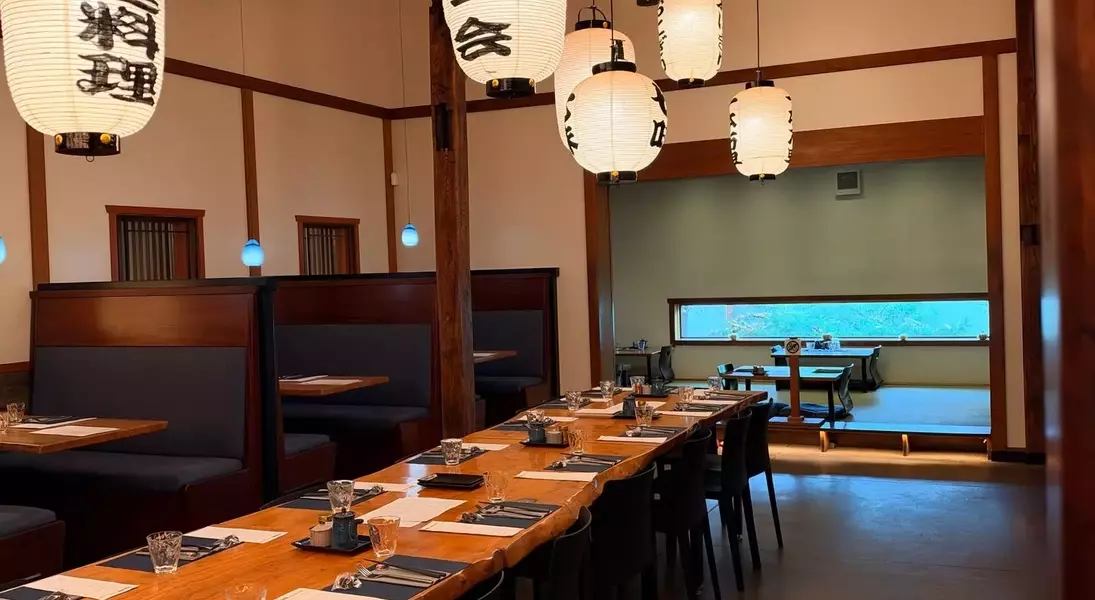
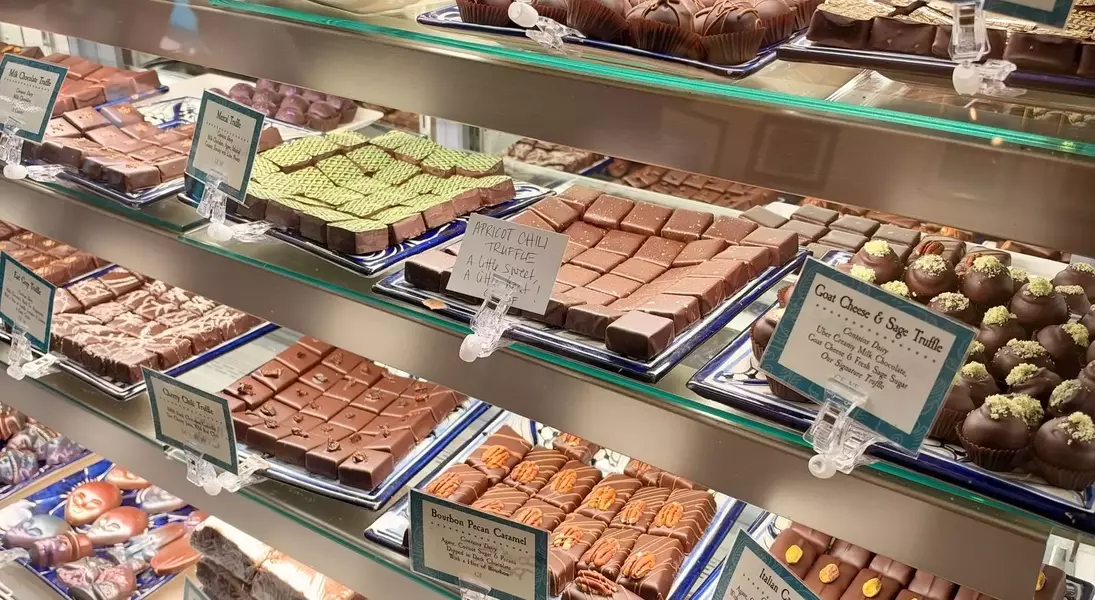
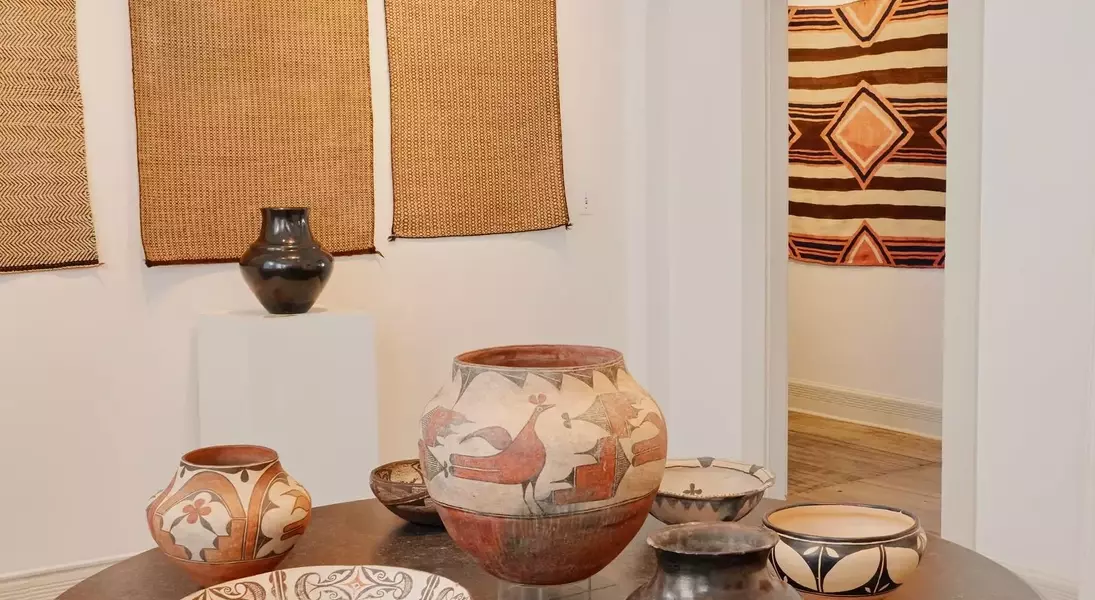
Santa Fe, New Mexico, presents a uniquely captivating atmosphere during the winter season when traditional tourist crowds subside, leaving its storied art galleries, scenic hiking trails, and historical landmarks peacefully accessible. Highlighted by local artistic perspectives, this destination guide showcases the multifaceted allure of the high-desert region during its quietest time of year. Rather than standard commercial stops, the itinerary focuses on deeply authentic regional experiences, spanning historic Indigenous jewelry craftsmanship, custom optical design, and sustainable luxury apparel crafted from fine knitwear and cashmere. Culinary journeys form an integral part of the experience, offering everything from ancient pre-Columbian chocolate elixirs and Eastern European artisanal pastries to mountain-side Japanese dining centered on shared plates. Beyond urban exploration, day trips into surrounding mountain enclaves reveal eclectic vintage collections, historical winemaking artifacts, and contemporary Indigenous photography. To fully enjoy this elevated environment sitting 7,000 feet above sea level, practical preparation is essential: visitors are encouraged to protect against dry desert air with specialized skin treatments, dress in sturdy footwear suited for rugged stone pathways, and stay rigorously hydrated. Overall, the guide celebrates Santa Fe as a premier winter destination blending art, history, fashion, and nature.
A Curated Journey Through New Mexico's Cultural Heartbeat
As autumn fades into crisp winter days across the high-desert landscape of New Mexico, Santa Fe settles into a serene rhythm. In this historic southwestern region, traditional tourist bustle gives way to quiet gallery walks, snow-dusted trailheads, and flickering farolitos illuminating public pathways. Visitors exploring the town and surrounding areas like Abiqui encounter an exceptional array of cultural offerings curated by resident artists and craftsmen. Boutique shopping highlights locally produced treasures, including hand-painted cashmere garments, specialized locally knit serapes, and vintage western boots found in cozy consignment shops. High-karat gold accessories crafted since the 1970s and authentic Native American jewelry featured at historic trading posts highlight the area's rich artistic legacy. Food enthusiasts can sample ancient pre-Columbian chocolate brews at historic sweet shops, enjoy Slovakian gingerbread treats at neighborhood cafes, or ascend into the pine-clad mountains for relaxed Japanese small-plate dining. Creative inspiration continues at local photography studios and eclectic mountain outposts showcasing medieval tools and contemporary Indigenous artwork. However, navigating this elevated terrain situated at 7,000 feet requires mindful preparation. Visitors strolling along rocky downtown streets should wear supportive footwear, apply protective local botanical oils against high-desert dryness, and maintain constant hydration to ensure a comfortable stay.
Exploring a destination through the personal lens of its resident creative community provides a powerful reminder of how meaningful travel can be. Rather than passively consuming commercial attractions, engaging with local artisans, historic food traditions, and regional landscapes fosters a deeper respect for place and heritage. This perspective encourages travelers to slow down, invest in enduring craftsmanship, and honor the distinct ecological and cultural rhythms of high-desert life.
