A new era of energy innovation is dawning with a geothermal startup named Quaise, aiming to revolutionize access to Earth's internal heat. Their pioneering method involves utilizing concentrated energy beams to penetrate and melt through solid rock, a radical departure from conventional drilling techniques. This advanced approach holds the promise of making geothermal power universally accessible, potentially transforming the global energy landscape. While the theoretical potential is immense, industry experts caution that the practical implementation and widespread adoption of this technology may encounter significant hurdles and require considerable time.
Meanwhile, the field of Artificial Intelligence continues its rapid evolution, presenting both remarkable opportunities and complex challenges. Discussions around AI frequently revolve around its impact on various sectors, with a particular focus on the critical need for fairness and ethical deployment. A notable example is the city of Amsterdam's extensive efforts to develop equitable welfare AI systems, which, despite adhering to best practices, still encountered biases in real-world application. This case underscores the inherent difficulties in designing truly impartial AI, prompting crucial questions about whether algorithms can ever be entirely free from prejudice. Beyond ethical considerations, the global AI landscape is bustling with strategic collaborations and intense competition, as major players vie for dominance in areas like mathematical problem-solving and expanding their operational footprints into new territories.
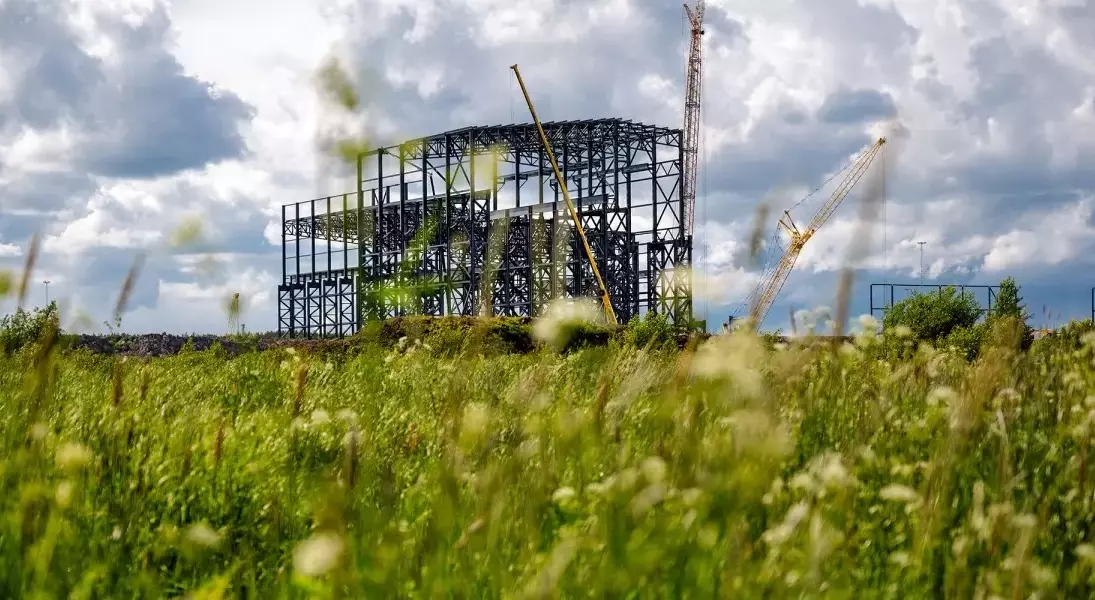
In addition to these technological strides, the industrial sector is witnessing a significant shift towards sustainability, exemplified by the emergence of green steel production. The steel industry, a major contributor to global carbon emissions, is actively seeking cleaner alternatives. A Swedish company, Stegra, is at the forefront of this movement, constructing the world's first industrial-scale plant dedicated to producing green steel. This ambitious project aims to drastically reduce the carbon footprint associated with steel manufacturing, pointing towards a future where heavy industries can operate with minimal environmental impact. The success of such initiatives is vital for achieving a more sustainable and environmentally responsible global economy.
These innovations in energy, artificial intelligence, and industrial sustainability underscore humanity's relentless pursuit of progress and a better future. By pushing the boundaries of what is possible, from harnessing the Earth's deep heat to developing intelligent systems and transforming manufacturing, we are charting a course toward a more efficient, equitable, and environmentally conscious world. Embracing these advancements with a commitment to ethical development and global collaboration will ensure that technology serves as a powerful force for positive change, fostering a brighter and more prosperous tomorrow for all.
