Major tennis events, such as the US Open, are undergoing a significant transformation in how they engage with audiences, largely driven by the burgeoning influence of social media creators. What was once primarily a sporting spectacle is now evolving into a dynamic content ecosystem, where brands invest substantial resources to collaborate with influencers. This strategic pivot aims to broadcast the unique atmosphere of these tournaments to millions globally, extending their reach far beyond the physical venues. The landscape is shifting, with tournaments actively cultivating relationships with creators, granting them unprecedented access, and even formalizing their roles as media partners. This blend of sports, entertainment, and digital marketing highlights a new era of fan engagement, while also raising questions about maintaining the traditional prestige of these esteemed competitions.
Grand Slams Embrace Digital Influence: A New Era of Fan Engagement
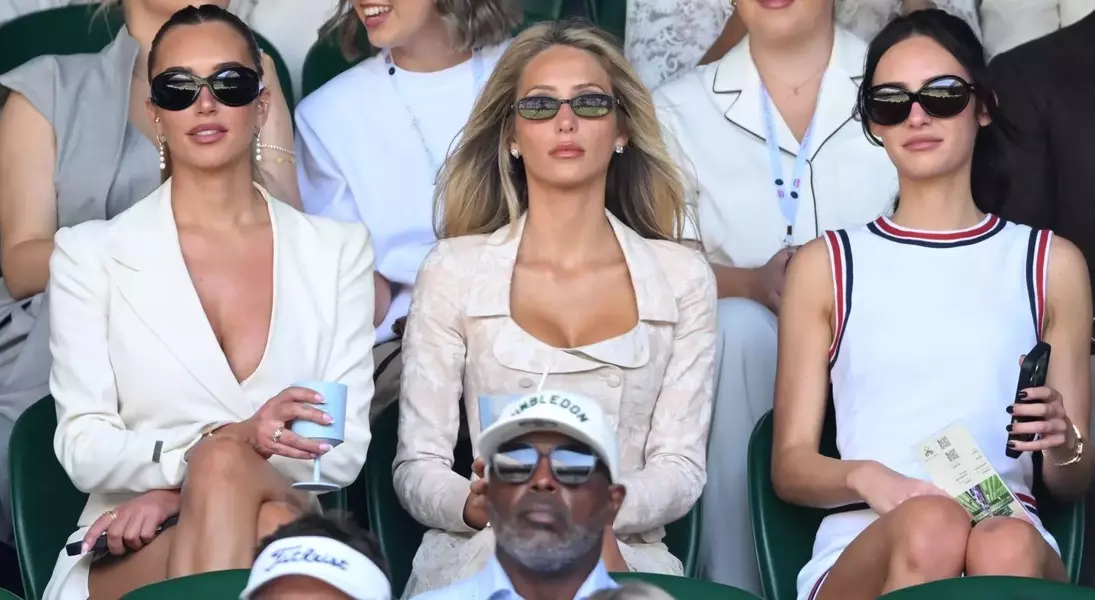
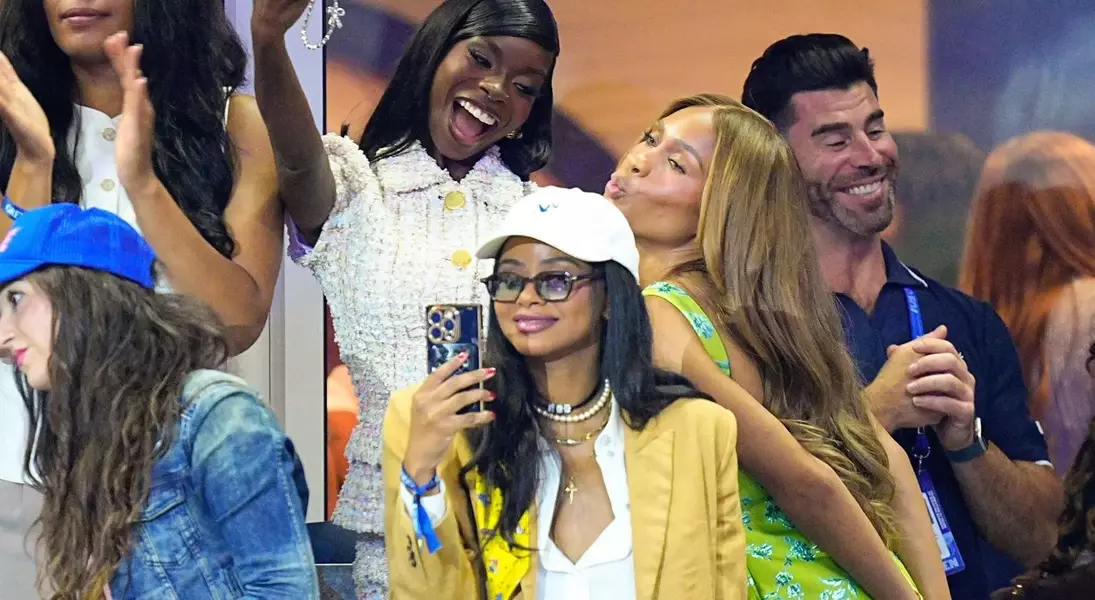
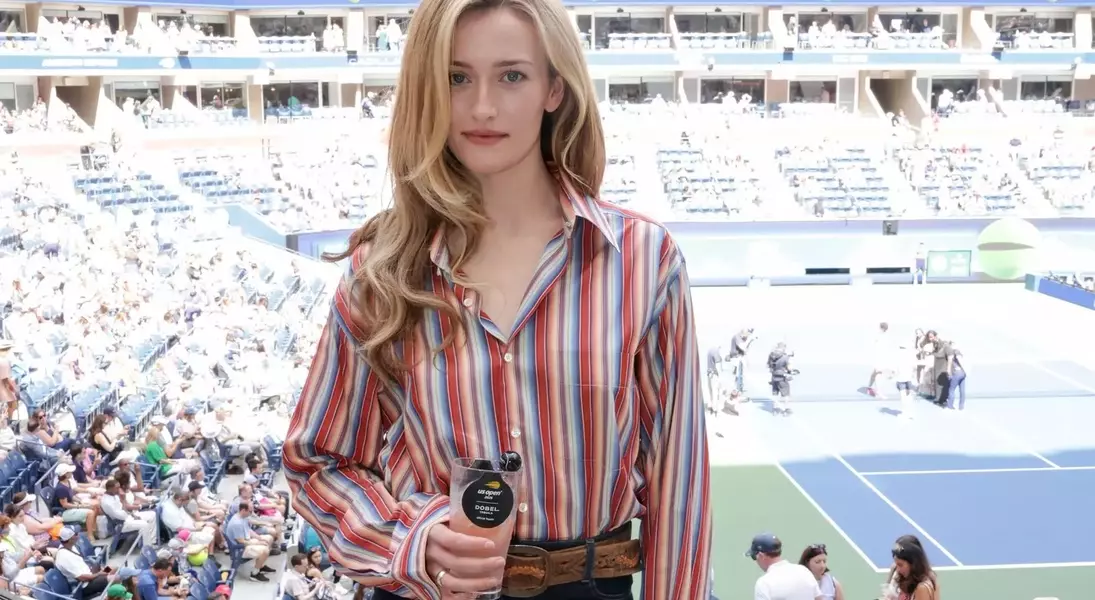
As the prestigious US Open tennis tournament approached in New York, a notable shift in marketing strategy became evident. Amidst the usual flurry of activity from enthusiastic crowds and corporate sponsors, a powerful new content generation mechanism was at play. Social media creators captured the vibrant essence of the event—showcasing fashion, reviewing culinary offerings, and offering glimpses into exclusive brand activations and premium seating areas. This content was then disseminated to millions of viewers who couldn't attend in person, transforming the tournament experience into a widely accessible digital spectacle.
Kirstin MacGowan, Vice President of Talent at DBA, an influencer management firm, highlighted the significant increase in brand interest during the US Open, observing a three to fourfold surge in partnership opportunities for their tennis-related talent compared to other tennis events. She emphasized that major brands are increasingly channeling their investments into culturally resonant sporting occasions, noting that the US Open's appeal extends far beyond the sport itself.
Alex Georgy, CEO and founder of BWB Agency, detailed the escalating costs associated with these influencer activations. A private suite for a single session at the US Open could range from $50,000 to $150,000, excluding agency fees, design, hospitality, and content production. Engaging multiple creators or celebrities for attendance and promotional posts could add another six figures, pushing larger campaigns into the hundreds of thousands of dollars.
These brand activations have also grown more sophisticated. Georgy recounted that merely three to five years ago, brands might simply invite guests to a suite. Today, however, hospitality is frequently combined with paid talent, meticulously designed spaces, and professional content production, all intended to resonate with a much wider audience than just those present at the event. According to Georgy, "The suite used to be the experience. Now it's often just one piece of a much bigger campaign."
This substantial investment is driven by the cultural cachet associated with being present at such high-profile events. For creators, attending a Grand Slam signals more than just an interest in tennis; it conveys a certain lifestyle and access to their followers. For brands, the allure lies in aligning themselves with this prestige. Georgy remarked, "Being at Wimbledon or the US Open now says something. It signals access, taste and that you're moving in certain circles."
Beyond traditional brand sponsorships, tournaments themselves are now actively forging direct relationships with creators. While brands remain a primary conduit for many influencers to access major tennis events, organizers are increasingly offering media credentials and commissioning original content. As financial and public attention pour into this evolving domain, a key challenge is how to capitalize on the cultural magnetism of the Grand Slams without diluting the very exclusivity that makes such access so desirable.
The US Open, in particular, is proving to be a fertile ground for this expanding creator ecosystem. Its prime location in New York City places it conveniently near a wealth of talent eager for brand collaborations. Georgy characterized the event as "loud, social, celebrity-heavy and very brand-friendly," making it an ideal backdrop for influencer marketing.
In a pioneering move, the US Open introduced its first formal content creator credential program in 2025, granting media accreditation to 54 creators. This cohort collectively generated over 5.5 million social engagements, as reported by the United States Tennis Association (USTA). Jeanmarie Daly, Director of Media and Photo Operations and Special Events at USTA, emphasized that these credentialed creators enjoy the same access as traditional journalists, including use of media centers, participation in press conferences, and opportunities to question players.
Initially, the program prioritized creators whose audiences transcended the realm of tennis, focusing on diverse areas such as food and beverage, fashion, lifestyle, health, wellness, music, and entertainment. Daly confirmed plans to broaden opportunities this year for creators with a specific interest in covering the sport itself.
Separate from its credentialing efforts, the USTA actively collaborates with creators whose expertise, narrative styles, or audiences can augment its own social media output. Recent collaborations include Sportsball explaining the revamped mixed-doubles format of the US Open, and Righteous Eats providing coverage of on-site food and beverage selections.
Jonathan Zipper, Senior Director of Social Media at USTA, clarified their approach: "We're not looking to directly replicate anything that existing creators already have a unique lens and an audience for." He added that the goal is not always to forefront the US Open brand, but rather to cultivate broader interest in tennis.
Similarly, the Australian Open has integrated creator relationships into its strategy for over six years, with increasing formalization. Tennis Australia took its creator program in-house two years ago, now employing a dedicated full-time staff member for year-round strategy. This year, the tournament saw 260 influencers and creators attend, a 64% increase year-over-year, generating 348 million impressions—a remarkable 95% rise. Like the US Open, the Australian Open extends traditional media treatment to selected creators; 50 received media passes this year, subject to the same regulations as journalists.
Brie Stewart, Director of Content at Tennis Australia, articulated their evolving perspective: "We think that the word media, or the concept of media, is evolving." She affirmed that while traditional media remains important, creators represent an additional, vital media source. This approach is part of a wider initiative to brand the tournament as more than just a sporting contest, describing it as the "festivalization of the Australian Open," where elements like fashion, beauty, gaming, food, and music enrich the overall experience.
The ultimate aspiration is that these varied entry points will ultimately draw individuals back to the sport itself. Jerry Davis, an Australian creator primarily focused on AFL, basketball, and baseball, serves as a prime example. After receiving a media pass, Stewart noted, he developed such a profound interest in tennis that he began covering it independently and even attending junior club tournaments. Stewart expressed, "For me, that just ticks all the boxes of what we're trying to achieve. It is our duty to get as many people loving the sport as we possibly can."
Data supports the notion that creators can serve as this crucial bridge. UTA, DBA's parent company, discovered that "Avid Creator Fans"—individuals who actively follow and interact with online creators—are 19% more inclined to be interested in the US Open if their favorite creator features it.
However, this cultural expansion, while making Grand Slams more appealing to creators and brands, also creates a significant tension: the enduring value of each tournament largely depends on its distinctiveness. This is particularly evident at Wimbledon, where tradition, aesthetics, and exclusivity are integral to its allure. Georgy observed that "The best Wimbledon content tends to feel a little more restrained and polished. If it feels too obviously commercial, it sticks out."
In contrast to the US and Australian Opens, Wimbledon currently does not offer a dedicated creator credential. Instead, it has explored smaller initiatives, including collaborations with YouTube to invite creators on-site and organizing visits centered around activities such as playing grass-court tennis or preparing strawberries before the tournament.
Will Giles, Managing Editor of Content at Wimbledon, views creators as essential for "bridging that gap" between the tournament and potential new audiences who might not instinctively appreciate its charm. Nevertheless, the objective is for creators to interpret the experience rather than reshape it to fit their own narratives. Giles emphasized, "We want Wimbledon to still feel like the hero of it. It's more about bringing people here to experience the magic of Wimbledon, rather than it necessarily being about, 'Oh, there's an incredible name here.'"
This strategy does not imply limiting engagement to Wimbledon's existing fan base. The tournament deliberately partners with creators in fields like fashion and food to tap into growth markets, such as India. Giles acknowledged, "Wimbledon is unsurprisingly quite well saturated for tennis fans, and in the UK." When seeking new audiences, he noted, "the more unusual the better." For Giles, safeguarding Wimbledon's culture does not mean resisting change. He stated, "Wimbledon is an incredibly traditional event, but it embraces innovation as much as possible. This event turns 150 next year, but we are very cognizant of the need to evolve with the times."
Yet, there is a boundary to how much any tournament can be optimized for content without undermining the very experience creators are there to capture. Georgy warned, "The risk is that the tournament starts to feel like a backdrop for content rather than the reason everyone is there." However, she added, "But when it's done well, creators can help make tennis feel more current and accessible, as long as the content still reflects what makes each tournament distinct."
This delicate balance is also crucial for brands. The cultural prestige they seek to leverage relies on the tournament preserving enough of its unique identity for the association to hold meaning. If every Grand Slam simply becomes another generic hospitality backdrop, a significant portion of what makes access valuable will vanish.
As brands allocate increasingly large budgets to creator campaigns around tennis, quantifying the return on investment can be challenging. MacGowan explained that brands assess metrics such as earned media value, impressions, and engagement. Georgy pointed to a broader evaluation that encompasses content performance, cultural relevance, and relationship-building. Data from UTA suggests that sponsored content linked to the US Open can outperform general creator campaigns. According to UTA's Creators data team, creator-sponsored US Open content generates 48% higher impressions than typical creator-sponsored content. MacGowan noted that brands often approach tournament activations primarily as an awareness strategy, utilizing the experience to forge an association between themselves and the lifestyle surrounding the event.
Georgy further elaborated that brands tend to evaluate a more comprehensive set of outcomes: "Did the content travel, did it feel premium, did people talk about it, did it help the brand show up in the right cultural context?" Some of the value, she posited, may never appear in an engagement report. "Sometimes the relationships built in the suite are just as important as what gets posted publicly," she added.
For the tournaments themselves, the calculation differs but is similarly difficult to reduce to a single metric. Stewart stated that Tennis Australia measures impressions, engagement, and sentiment, but its overarching goal is to ascertain whether someone watches tennis, attends an event, or takes up a racket because a creator introduced them to it. The USTA is making a comparable wager by providing access to individuals whose audiences extend far beyond traditional tennis fans.
However, as the value of this attention grows, so does the impetus to regulate who can commercially profit from it. At the US Open, MacGowan indicated that brands that purchase suites or tickets but are not official partners may face restrictions on using tournament intellectual property in sponsored creator content. This can compel companies to build campaigns around a tennis-adjacent moment rather than the tournament itself—such as a "get ready with me for a tennis tournament." She also mentioned instances where creators have previously had to remove content featuring protected US Open imagery. MacGowan advised, "If you're not going to be an official sponsor, you've got to rethink your strategy here."
These restrictions safeguard an increasingly valuable proposition. Official sponsors pay not only for association with the tournament but also for category exclusivity, preventing competitors from simply purchasing hospitality, inviting creators, and transforming the US Open into a backdrop for their own campaigns. This dynamic highlights the blurring boundaries around these events. A creator might attend as a brand guest one day and receive media accreditation the next; a tournament can serve as the setting for a sponsored campaign while simultaneously commissioning its own creator content. Brands seek the cultural currency of access, tournaments desire the audiences creators can deliver, and creators increasingly navigate a role somewhere between guest, marketer, and media.
Daly believes this evolution is becoming an inherent aspect of the sport, stating, "I almost think it's an expectation now that this is just a part of the sport." She added that, to a certain degree, many fans now see themselves as content creators and influencers. For a sport that historically emphasized the prestige of exclusive attendance, the opportunity is no longer merely about being present. It is about discovering innovative ways to convey the value of that presence to the millions who observe from afar.
