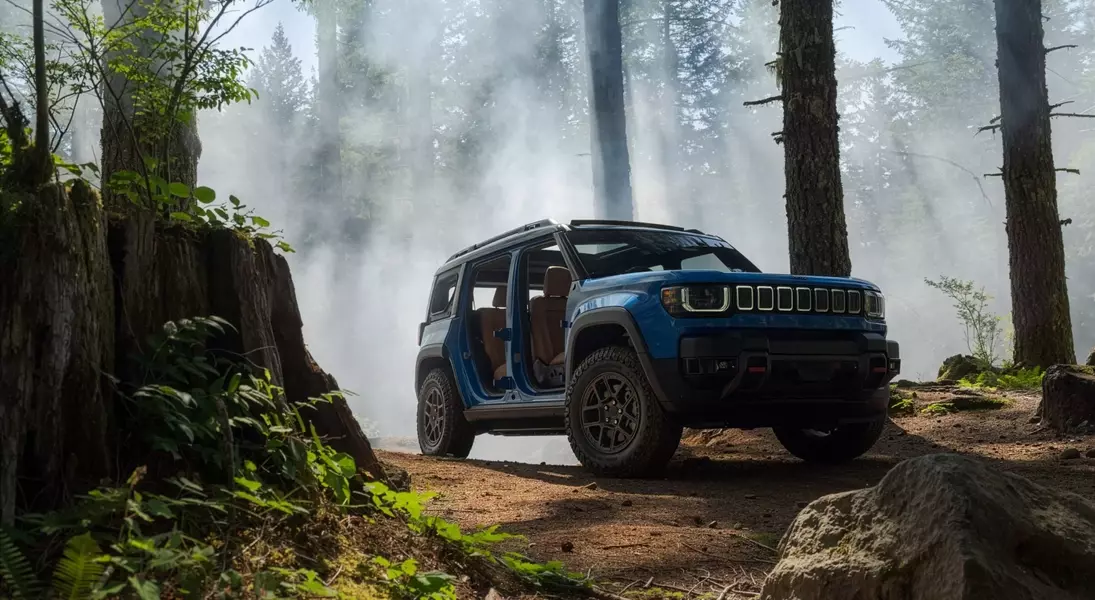
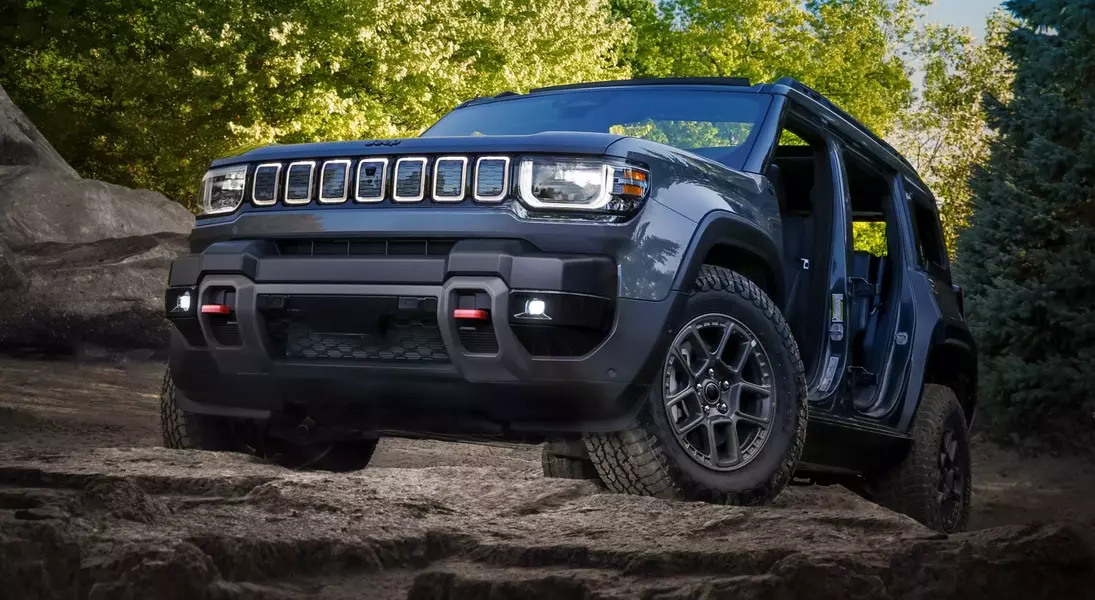
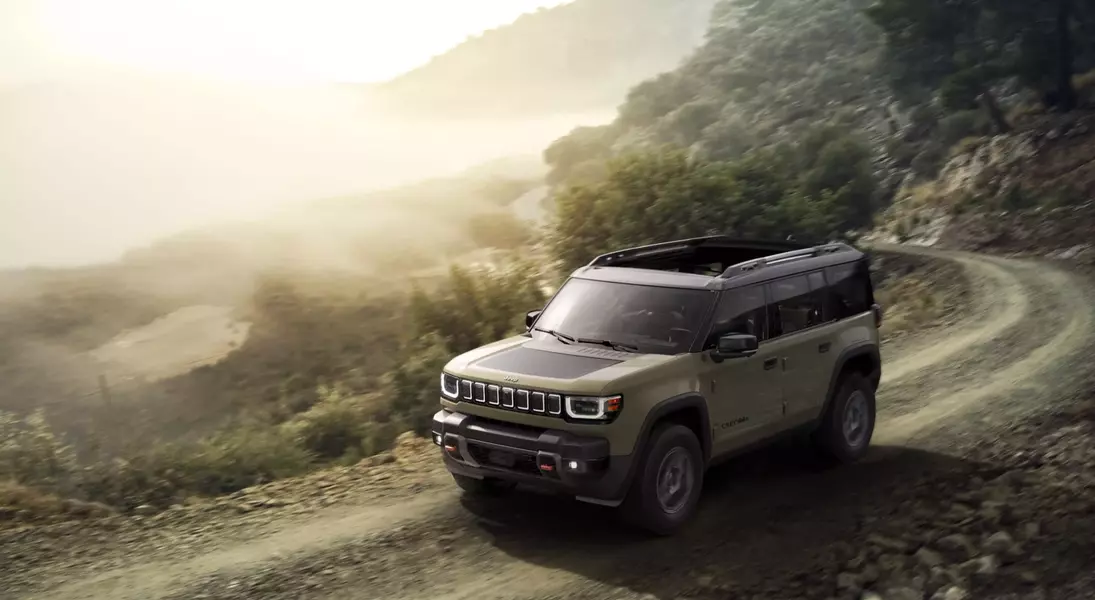
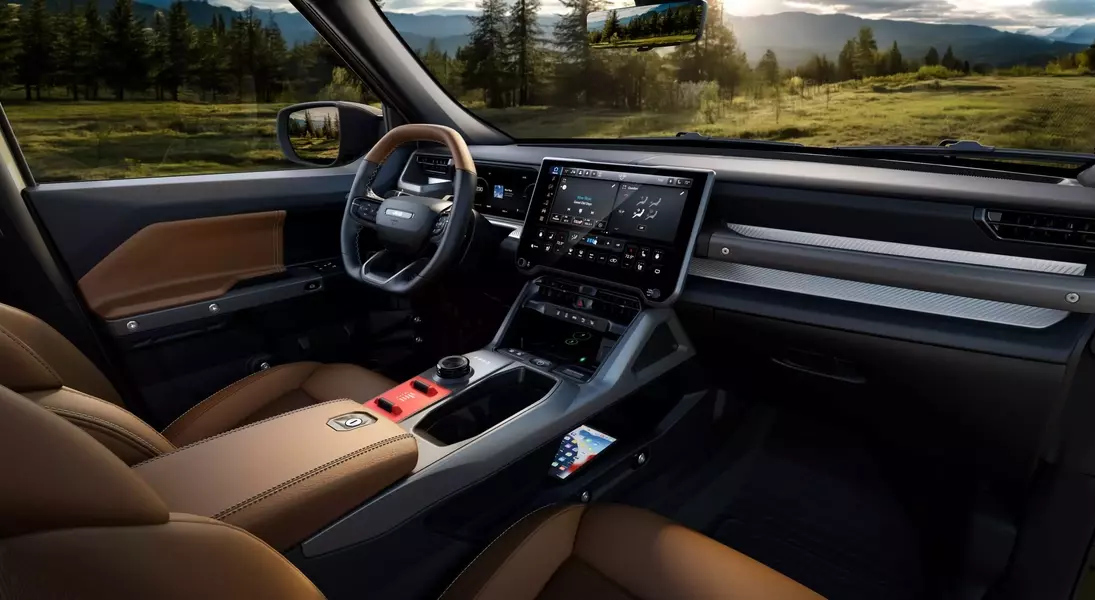
The article delves into a recent controversy at the Los Angeles Auto Show where automotive influencers from 'The Middle Lane' filmed themselves aggressively disassembling parts of a Jeep Recon display vehicle, criticizing its perceived poor build quality. This action led to a strong rebuttal from Stellantis, the manufacturer, who clarified that the vehicle was a hand-built pre-production model and not indicative of the final retail product. The incident has sparked a wider debate about the ethics and responsibilities of social media content creators at public events and the potential implications for brand-influencer relations.
Navigating the Digital Divide: Influencer Critique vs. Corporate Reality at Auto Exhibitions
The Content Creation Conundrum: When Online Scrutiny Goes Too Far at the Auto Show
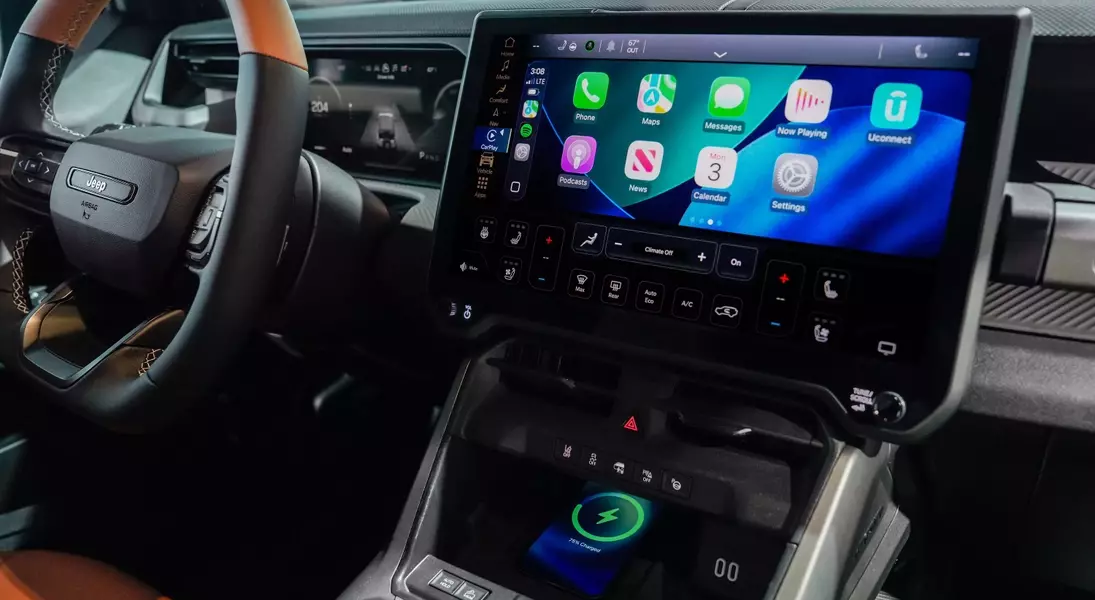
At the 2025 Los Angeles Auto Show, a pair of online content creators, operating under the name 'The Middle Lane,' ignited a significant controversy. Their video, which rapidly amassed over a million views on TikTok, featured them aggressively examining the interior of an all-electric Jeep Recon. They pointed out what they described as subpar build quality, emphasizing issues like uneven panel gaps and loose components. The influencers were seen shaking the infotainment screen and passenger grab handle, and even manually detaching parts of the center console trim, essentially dismantling portions of the vehicle's cabin. Their actions were a direct critique of the Jeep Recon's perceived quality, particularly in light of its estimated $65,000 price tag.
Stellantis' Swift Rebuttal: Clarifying the Nature of Display Vehicles
In response to the viral video and the widespread criticism it generated, Stellantis, the parent company of Jeep, issued a robust statement. A spokesperson for the company, Kaileen Connelly, denounced the influencers' behavior as both destructive and unprofessional. Connelly clarified that the vehicle featured in the video was a pre-production model, meticulously hand-assembled specifically for exhibition purposes at various events. This prototype, she explained, does not reflect the stringent quality and durability standards of the final production vehicles, which are manufactured on an assembly line with precise tolerances. This distinction was crucial for Stellantis to counter the negative impression created by 'The Middle Lane's' video.
Influencer Intentions vs. Public Perception: The Middle Lane's Defense and the Community's Divided View
Luke Miani, the founder of 'The Middle Lane,' defended his actions, stating that his intention was not malicious or destructive. He asserted that he merely aimed to provide his audience with an authentic perspective on the Jeep Recon, expressing a hope that the production version would demonstrate superior build quality. However, the incident sparked a heated discussion within the automotive community and across social media platforms. Some individuals lauded the influencers for their bold approach and willingness to critically assess display vehicles, while others condemned their actions, aligning with Jeep's perspective that such handling of corporate property was disrespectful and unwarranted, especially given the pre-production status of the car.
The Evolving Landscape of Influence: Redefining Boundaries for Content Creators and Manufacturers
The controversy surrounding 'The Middle Lane' and the Jeep Recon underscores the growing influence of social media content creators on consumer purchasing decisions. Manufacturers are increasingly aware of this power, yet this incident highlights a potential need for clearer guidelines and stricter protocols at public events where pre-production models are showcased. While the video may have boosted 'The Middle Lane's' visibility, it has also provoked serious questions about the ethical boundaries and accountability of influencers. The subsequent removal of the video by 'The Middle Lane' indicates a recognition of the controversy, and this event may lead brands to re-evaluate the level of unsupervised access content creators are granted at product launches and auto shows.
