When venturing away from home, maintaining nutritional balance often takes a backseat, yet prioritizing dietary fiber becomes paramount for overall well-being. Disruptions to routines, varied meal options, and potential stressors like altered sleep patterns can collectively impact the body's equilibrium, frequently resulting in digestive discomfort, fluctuating energy levels, and compromised immunity. Recognizing and actively addressing fiber intake during these periods is essential for a smoother and healthier travel experience.
Ensuring adequate fiber consumption during journeys is not merely about preventing discomfort; it's about proactively safeguarding vital bodily functions. Fiber plays a multifaceted role, aiding in the stabilization of blood sugar levels, fostering prolonged satiety, facilitating regular bowel movements, and bolstering the immune system by nurturing a healthy gut microbiome. By integrating thoughtful food choices and preparation, travelers can counteract the common pitfalls of travel-induced dietary changes and maintain their health effectively.
The Essential Benefits of Fiber for Travelers
For individuals on the move, maintaining consistent blood sugar levels can be challenging due to irregular eating schedules, reliance on convenience foods, and the physiological impact of stress and sleep deprivation. Fiber acts as a crucial regulator, mitigating sharp increases in blood sugar after meals and contributing to sustained energy. This steady blood sugar control is vital for avoiding energy crashes and mood fluctuations, which are particularly unwelcome during travel and can significantly impact one's overall experience.
Beyond blood sugar management, fiber is a powerful ally in promoting satiety, a key factor in managing hunger and preventing overeating. As a non-digestible carbohydrate, fiber slows down the digestive process, keeping you feeling fuller for extended periods. This sustained fullness is invaluable when meal timings are unpredictable, allowing travelers to focus on their journey without the distraction of hunger pangs or the temptation of less nutritious options. Moreover, fiber's role in maintaining digestive regularity is critical, as changes in diet, hydration, and activity levels can often lead to constipation during travel. Both soluble and insoluble fibers work synergistically to ensure smooth intestinal function, helping to alleviate common travel-related digestive complaints.
Practical Strategies for Integrating Fiber into Your Travel Diet
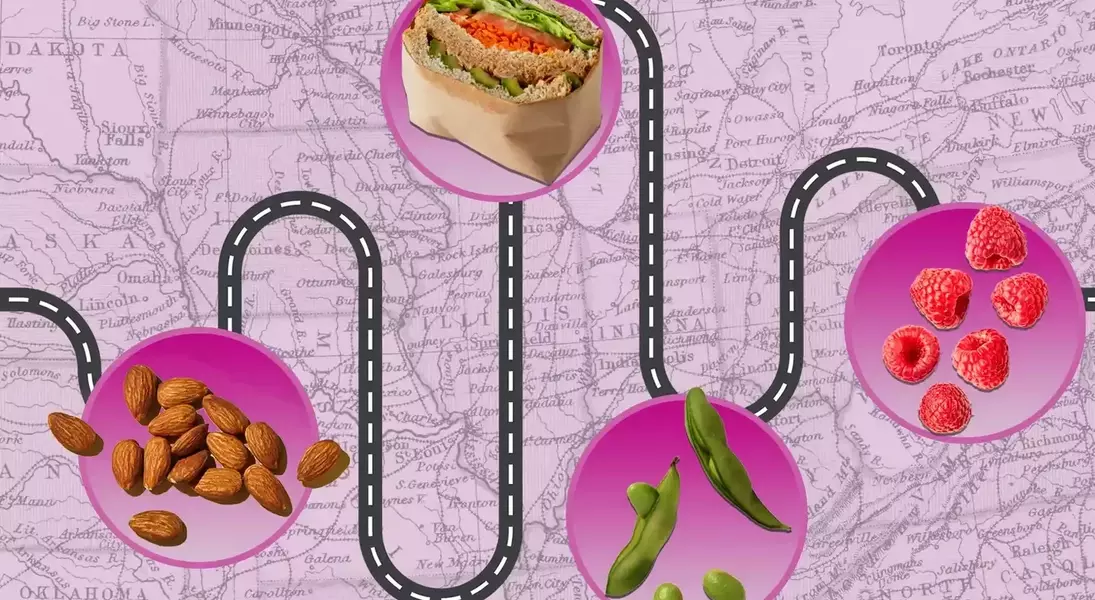
To ensure a consistent fiber intake while traveling, a strategic approach to food choices and preparation is necessary. Packing readily available, high-fiber snacks like dried edamame, almonds, and fresh fruits such as apples can significantly contribute to daily fiber goals and can easily clear airport security. When dining out, making conscious decisions to select meals rich in whole grains, diverse vegetables, legumes, nuts, and seeds can bolster fiber consumption. A simple yet effective tactic is to begin meals with a salad to incorporate a substantial portion of vegetables early on.
Furthermore, taking advantage of readily available fruit at hotel buffets or local markets offers an effortless way to snack on fiber-rich options. For situations where whole foods are scarce, carrying individual fiber supplement packets can provide a convenient backup to meet daily requirements. Incorporating ground flaxseed into yogurt or oats, or preparing chia seeds with water, can also add a significant fiber boost. However, it is important to introduce these additions gradually to avoid digestive discomfort. Lastly, remaining well-hydrated by consistently drinking water, ideally from a reusable bottle, is paramount, as water is essential for fiber to efficiently move through the digestive system and support overall gut health.
