

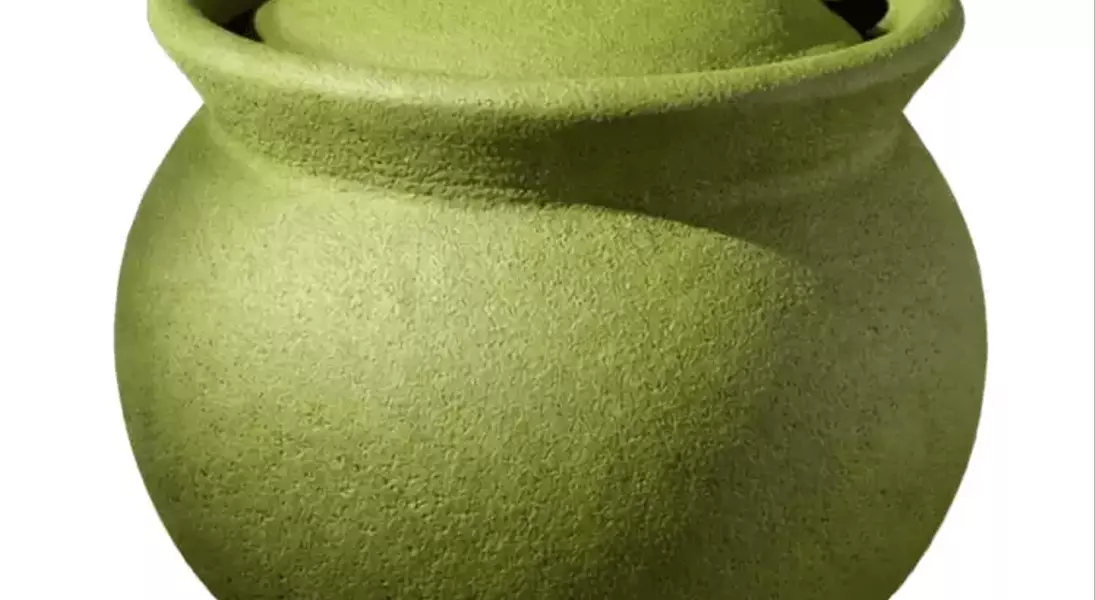
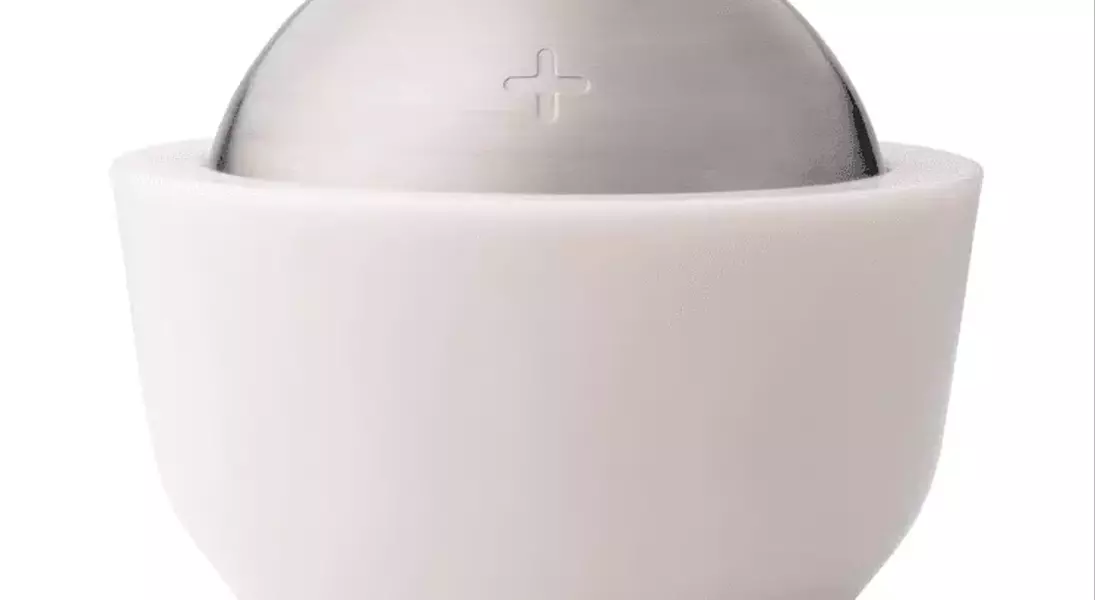
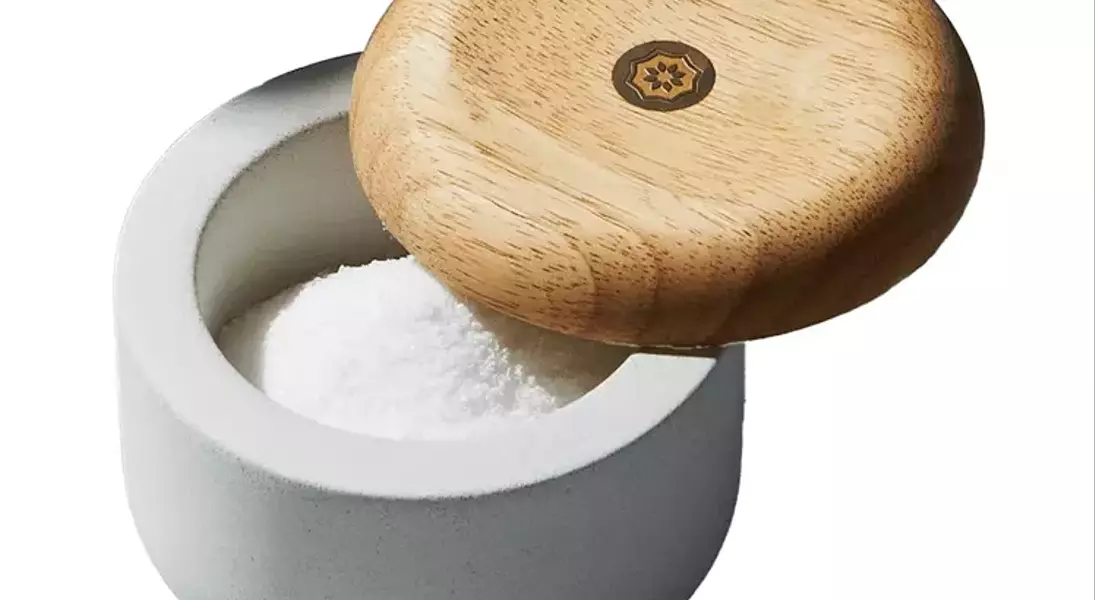
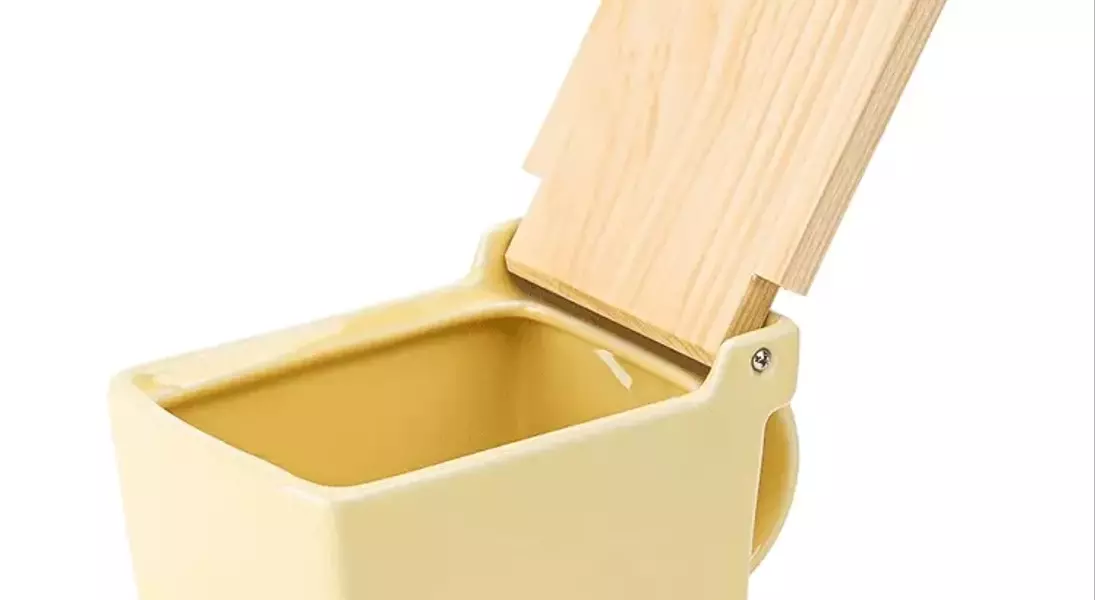

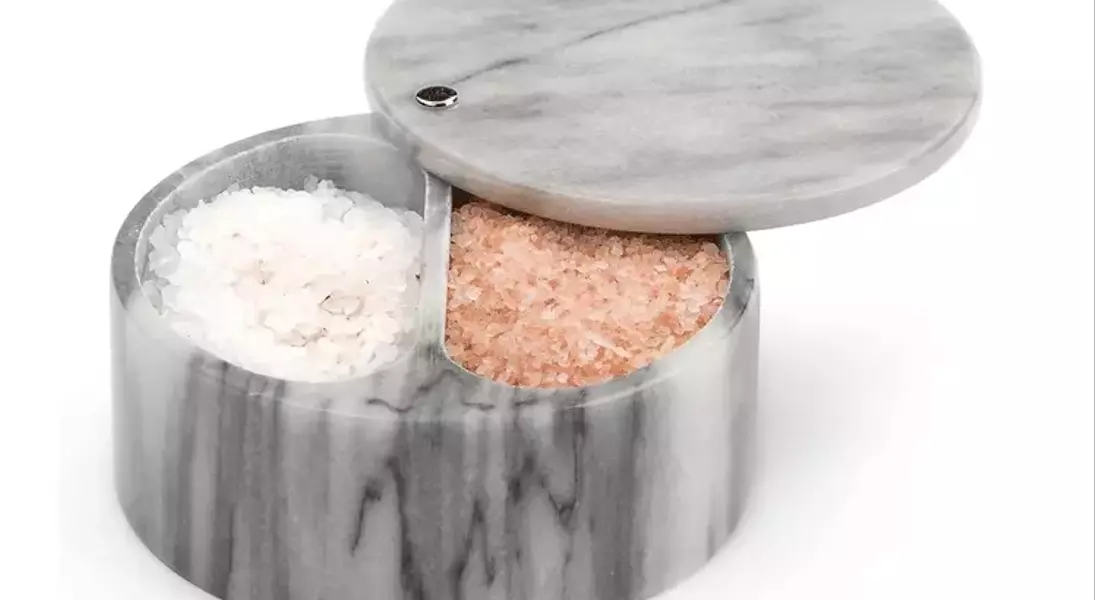
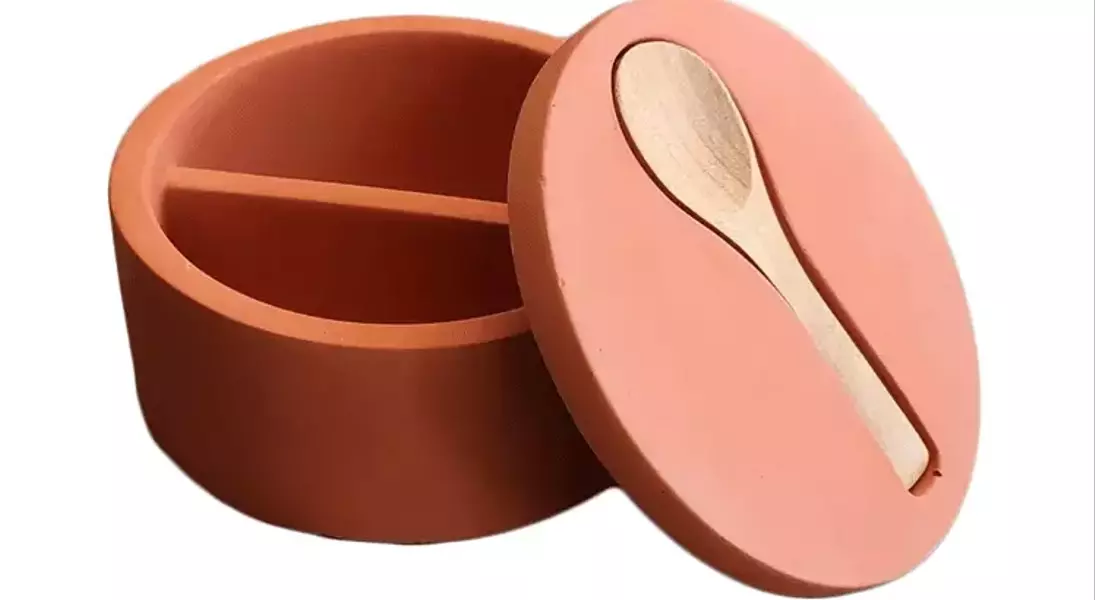
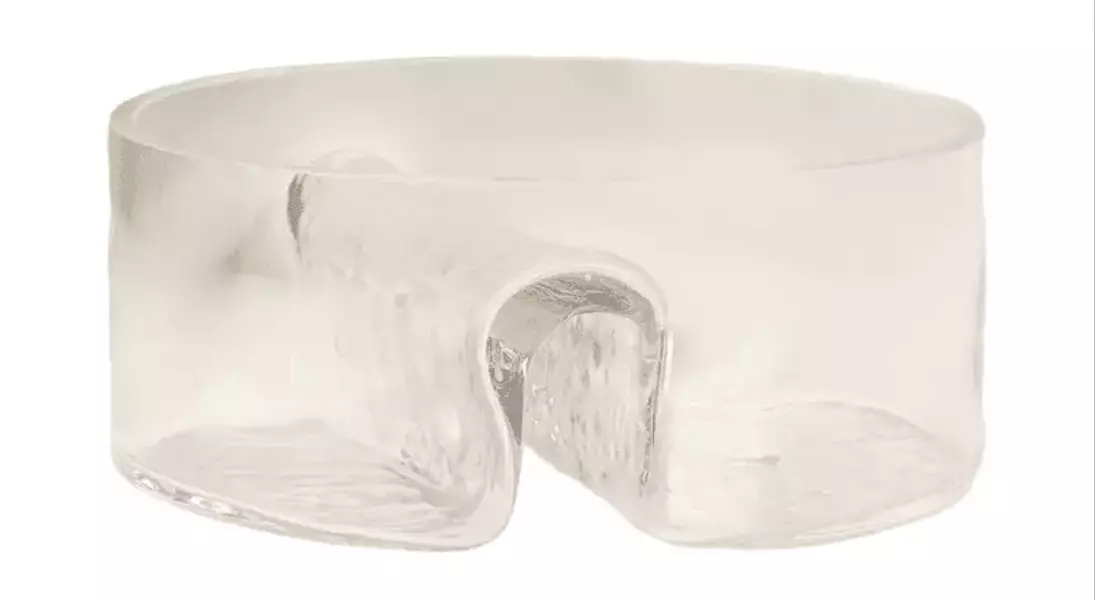
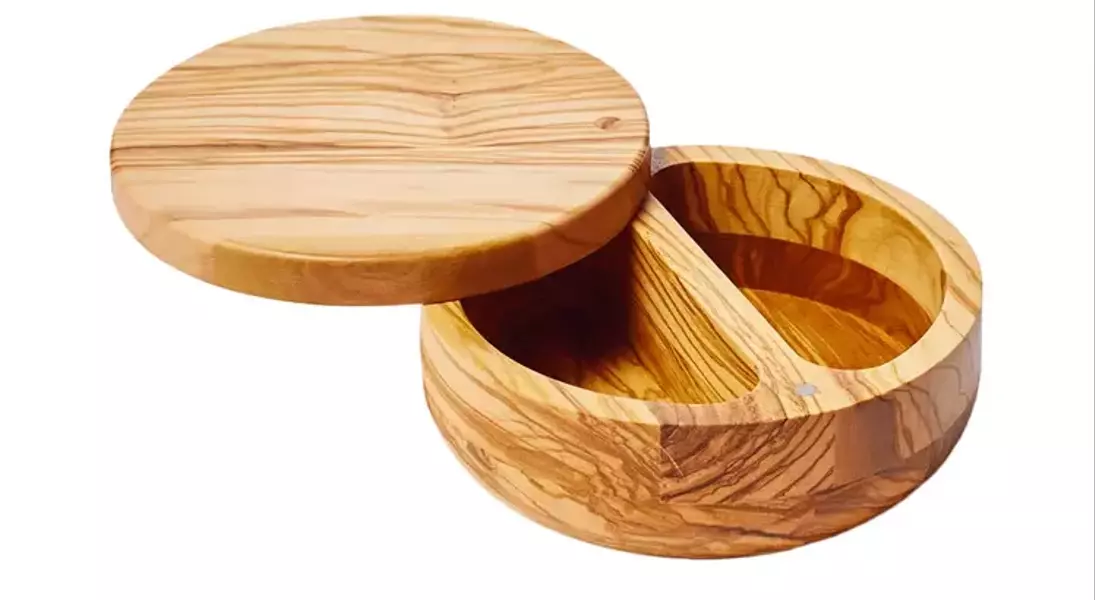

Salt cellars, a seemingly minor kitchen item, are actually fundamental for any home chef, ensuring quick and easy access to seasoning. While many focus on larger kitchen organization, a dedicated and well-designed salt container near the cooking area is a game-changer. This essential tool not only offers practicality but also serves as an aesthetic enhancement to the culinary space, with options ranging from traditional to contemporary designs.
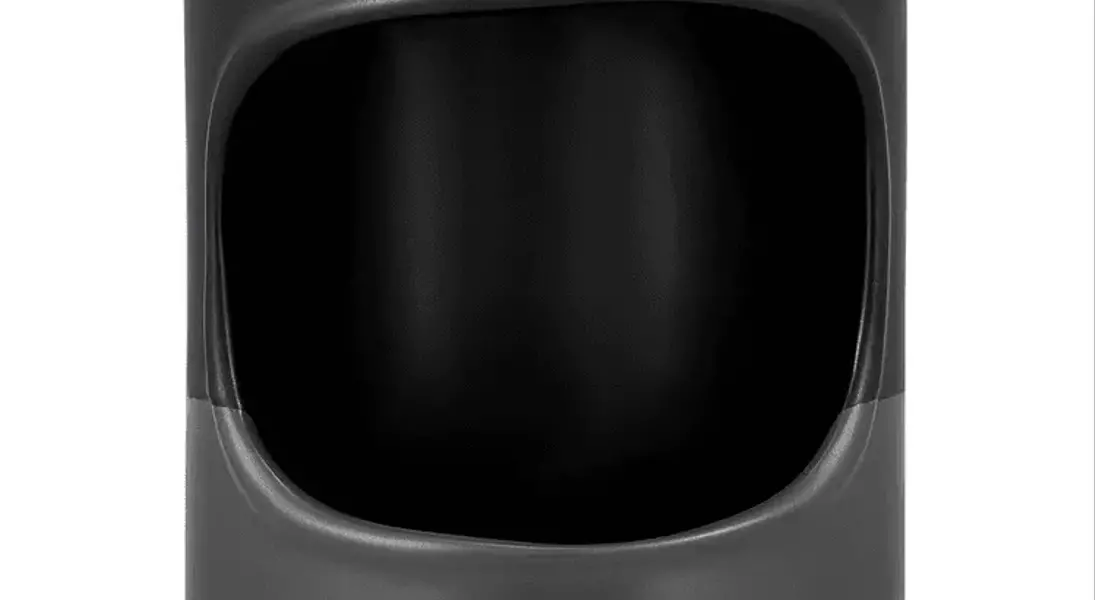
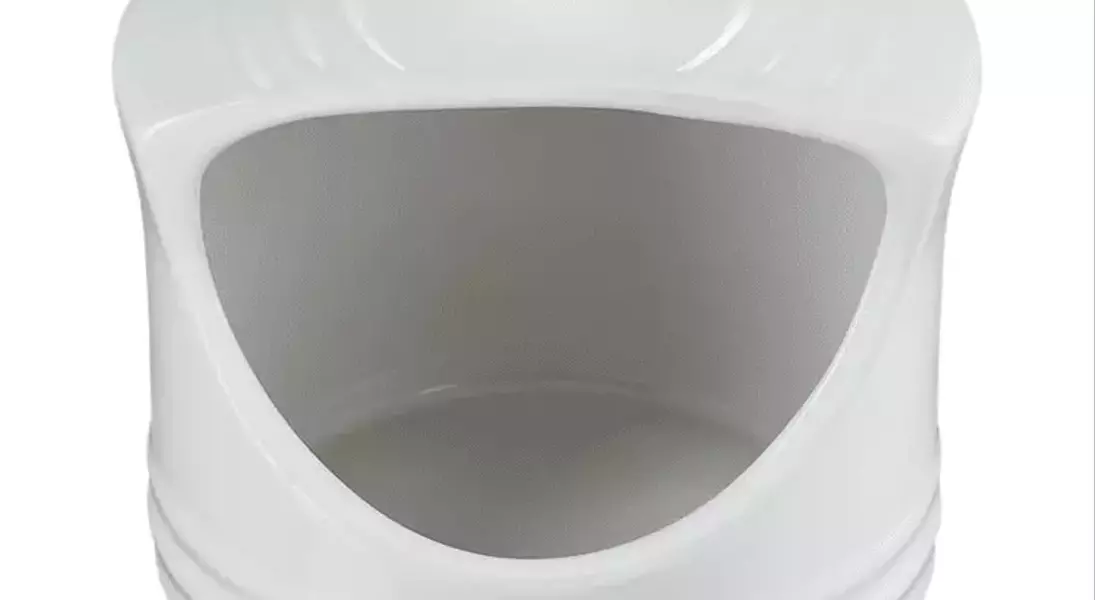
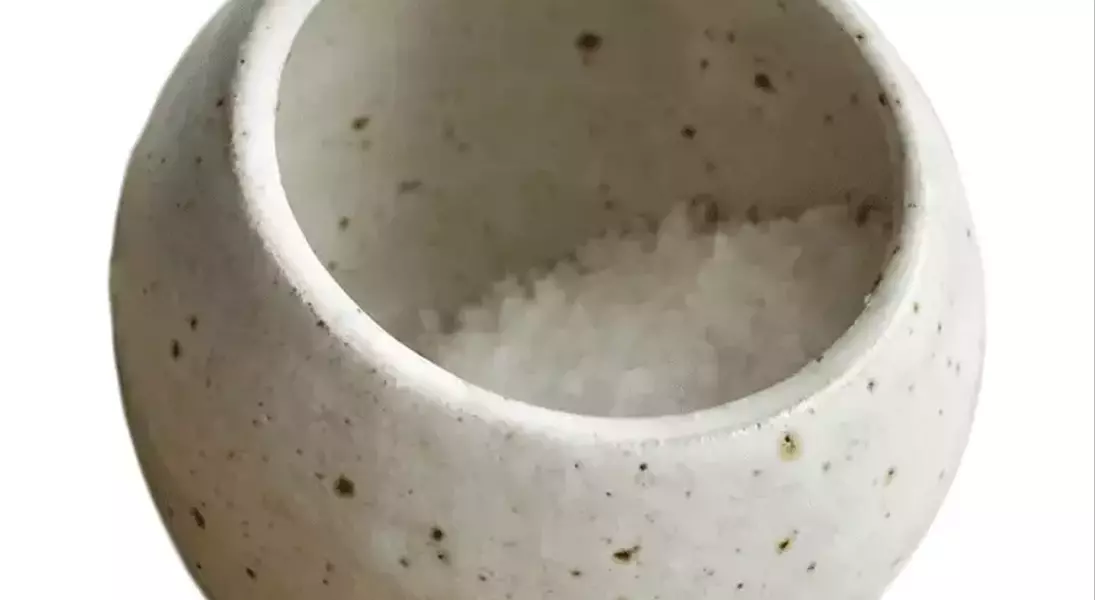
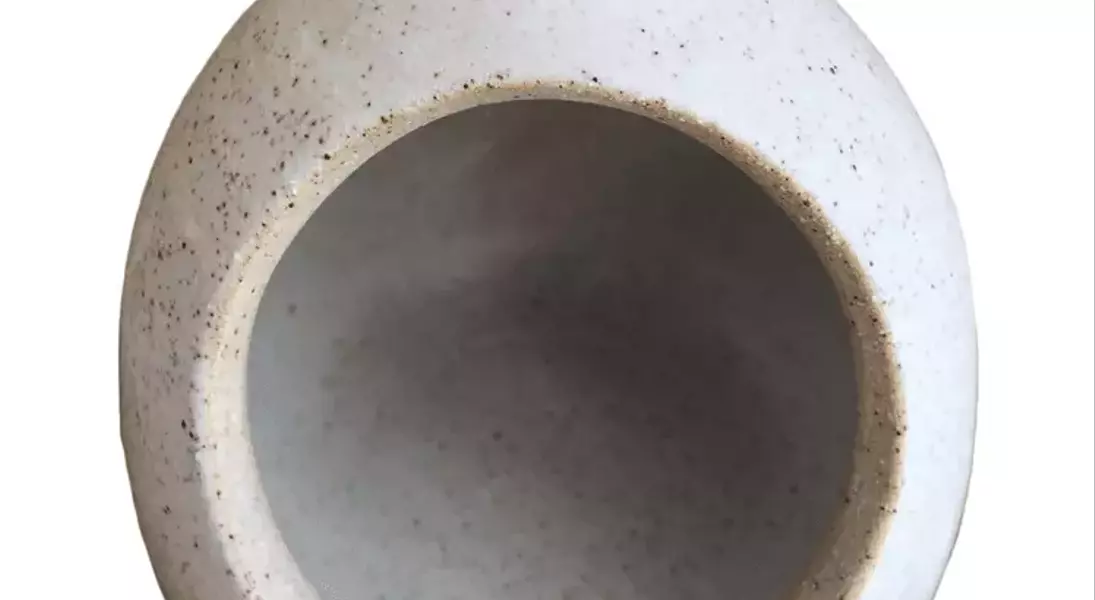
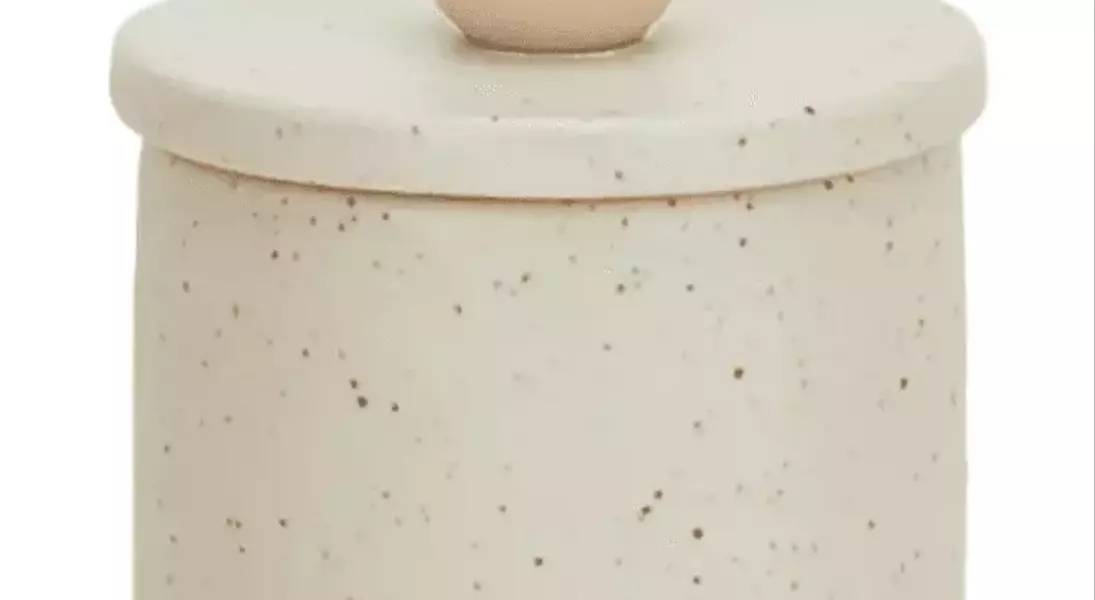
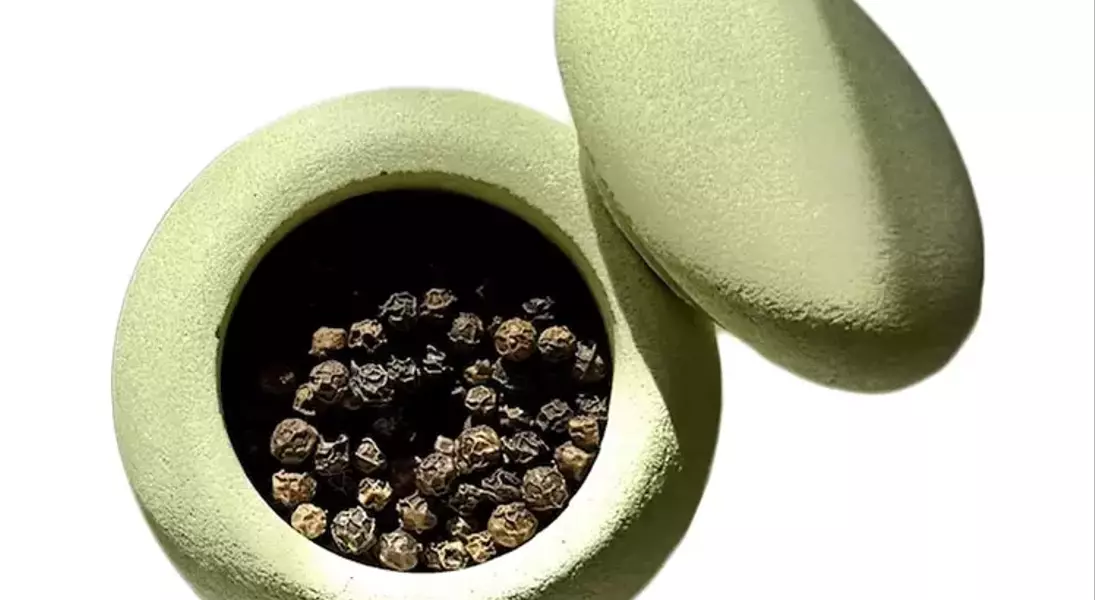
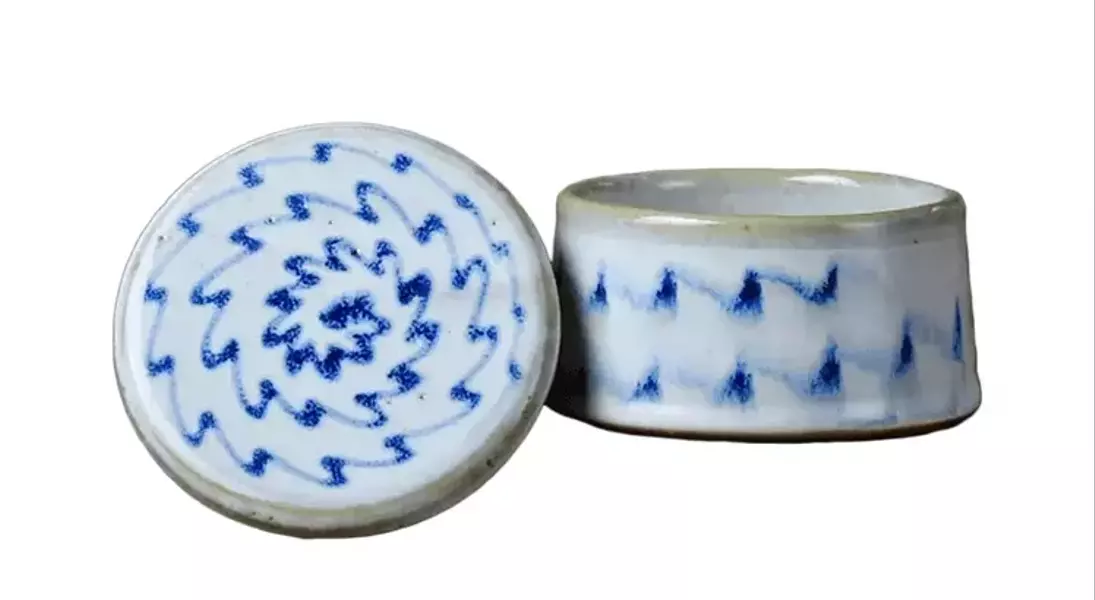
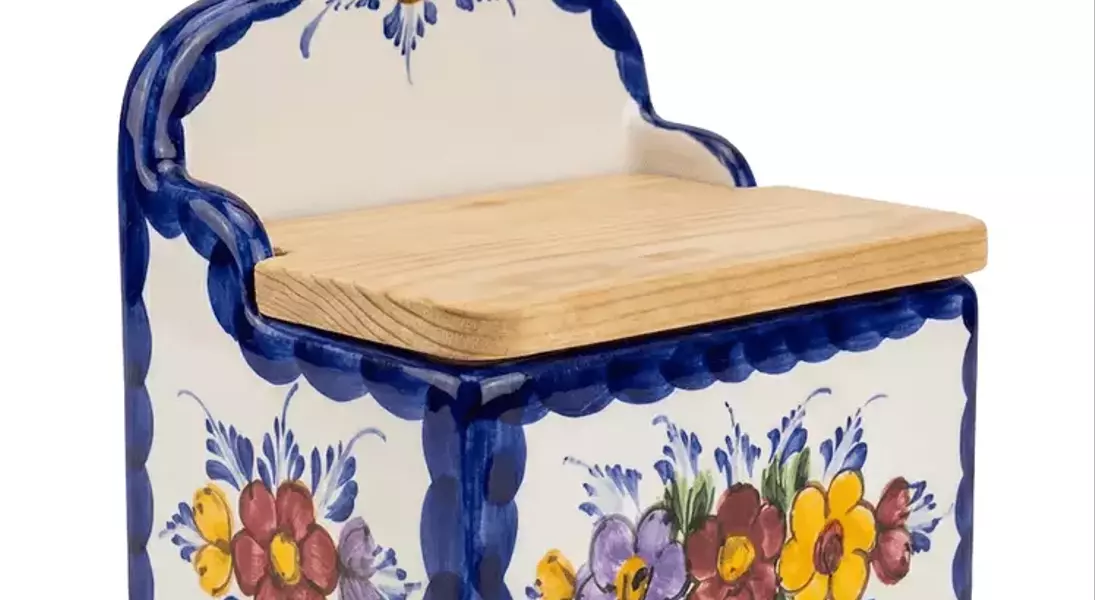
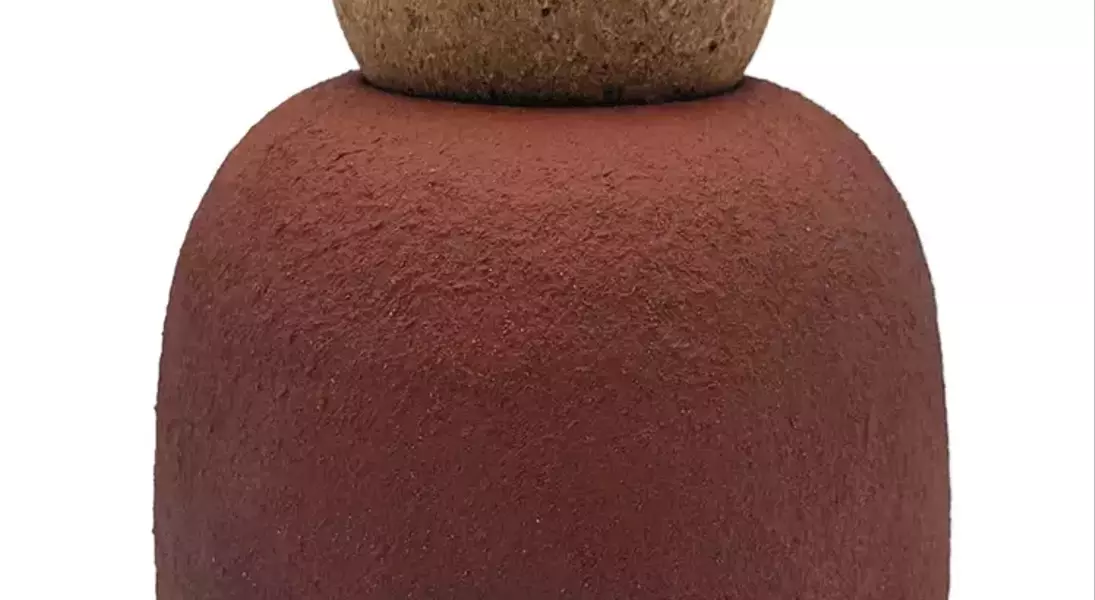
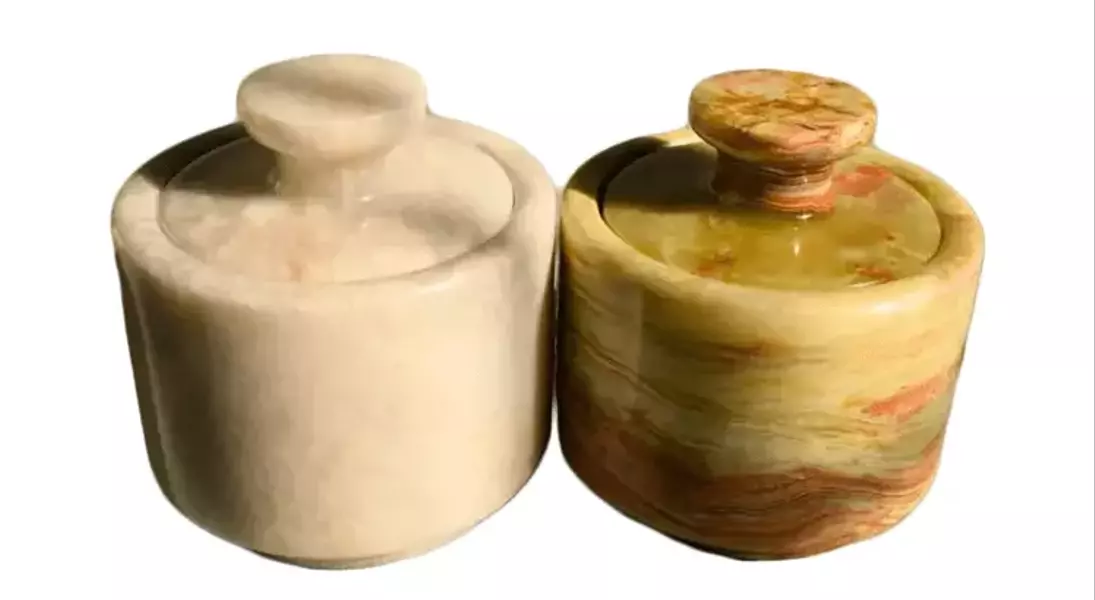
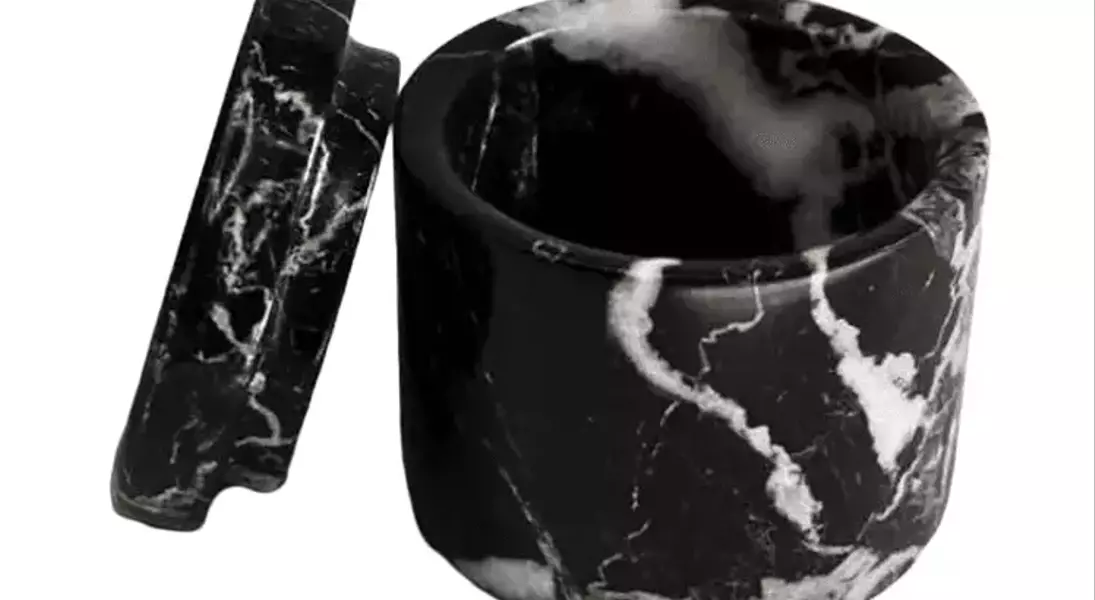
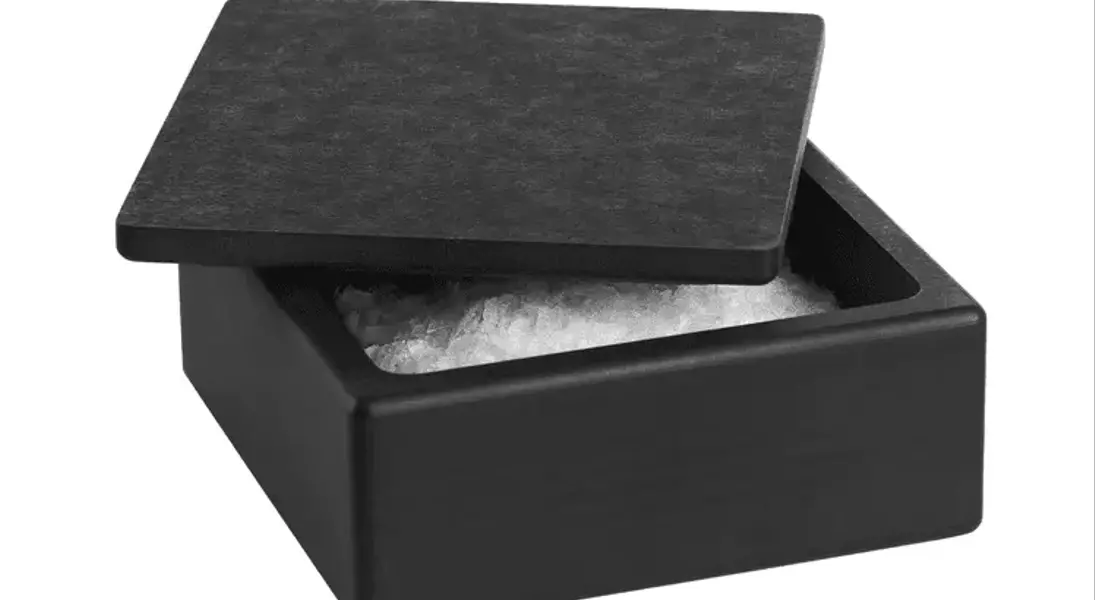
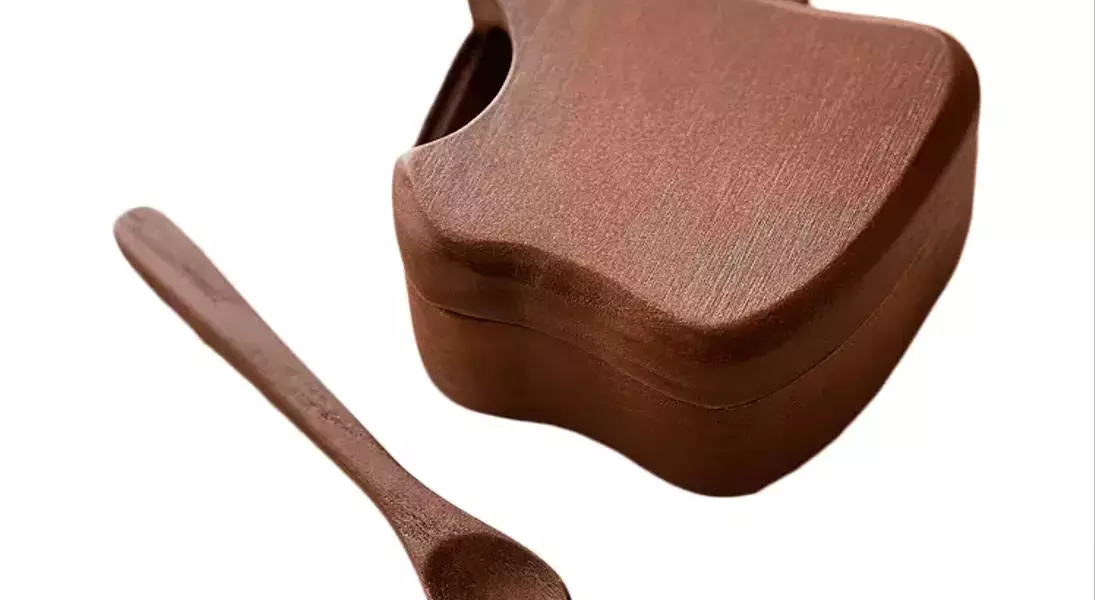
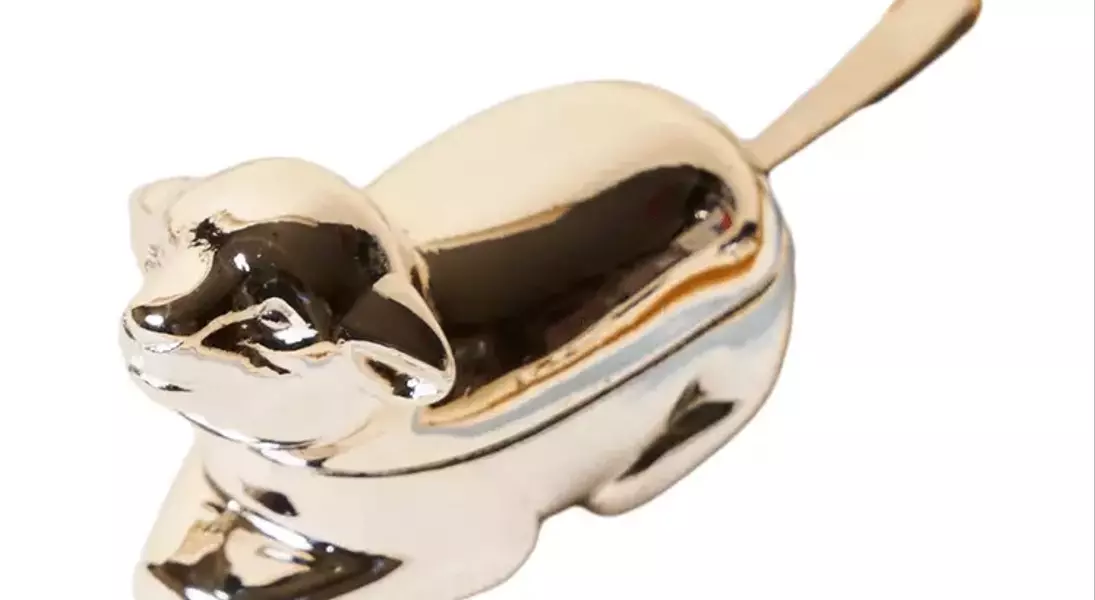
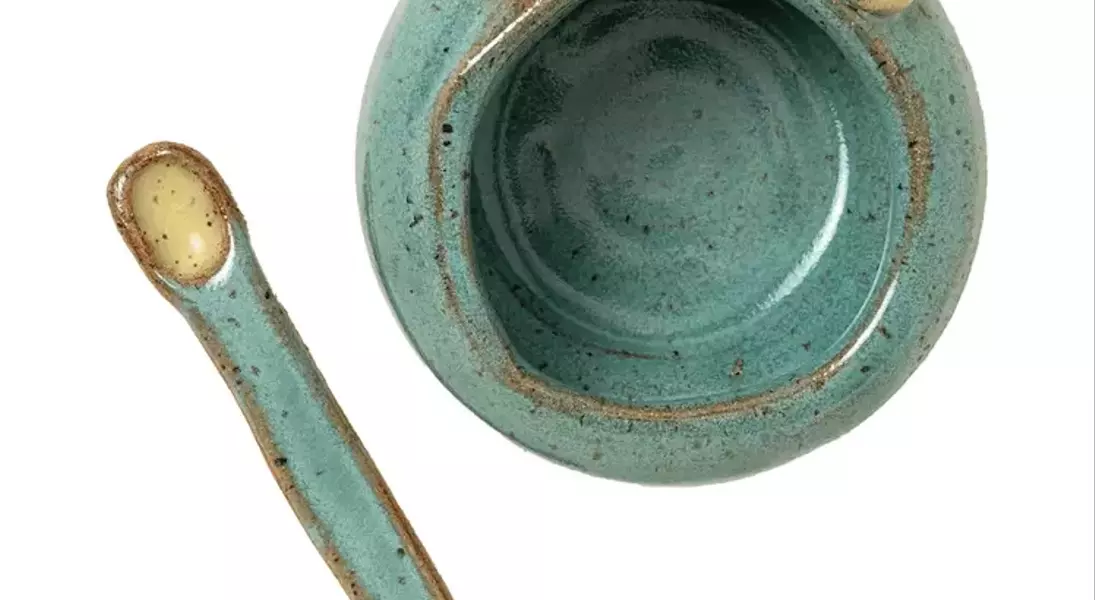
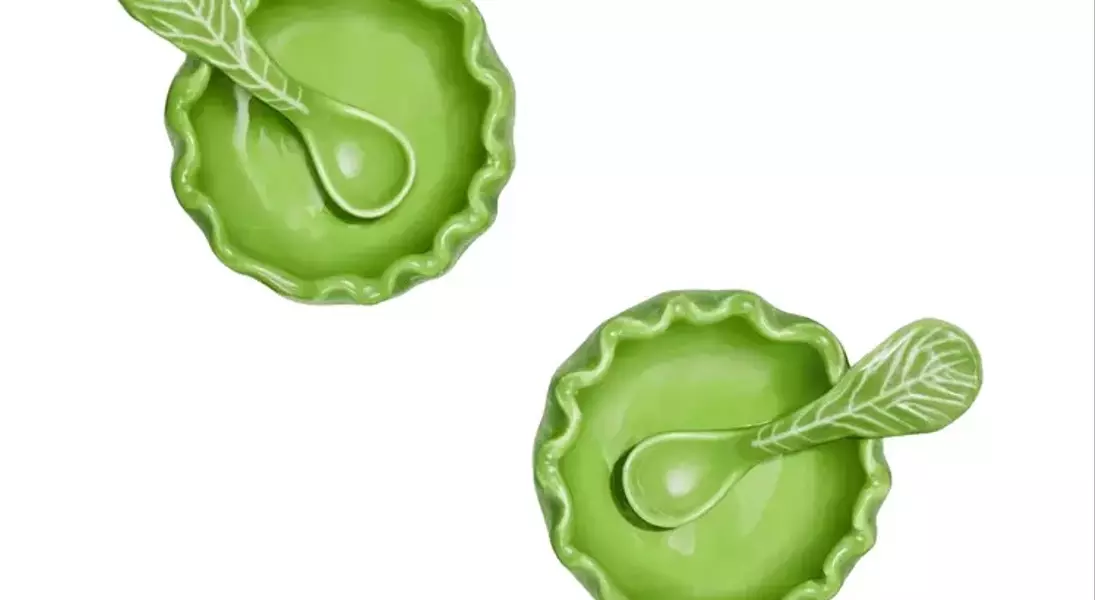
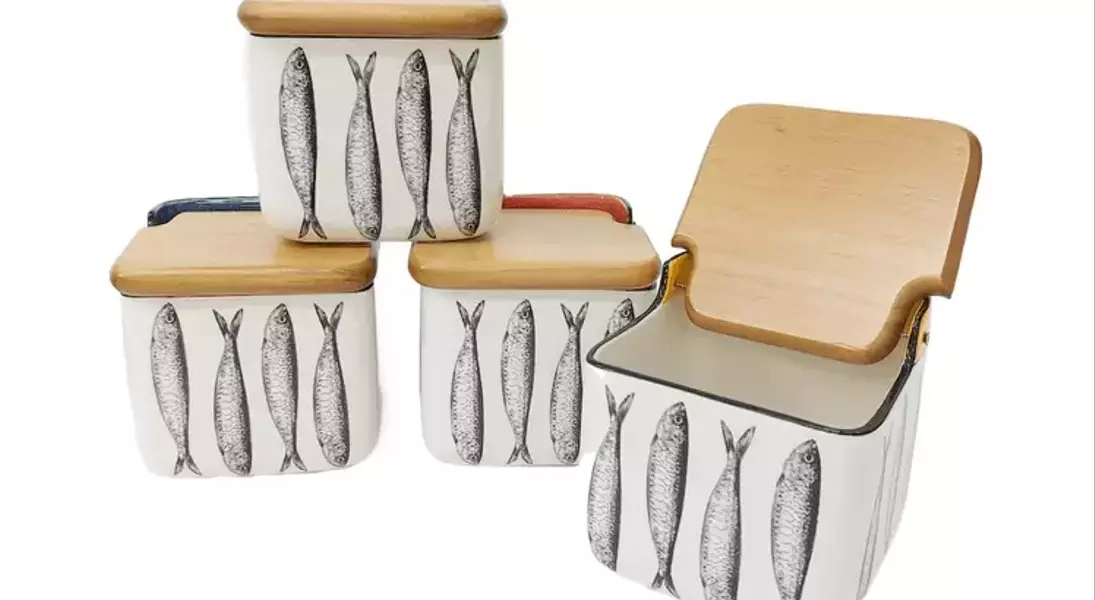
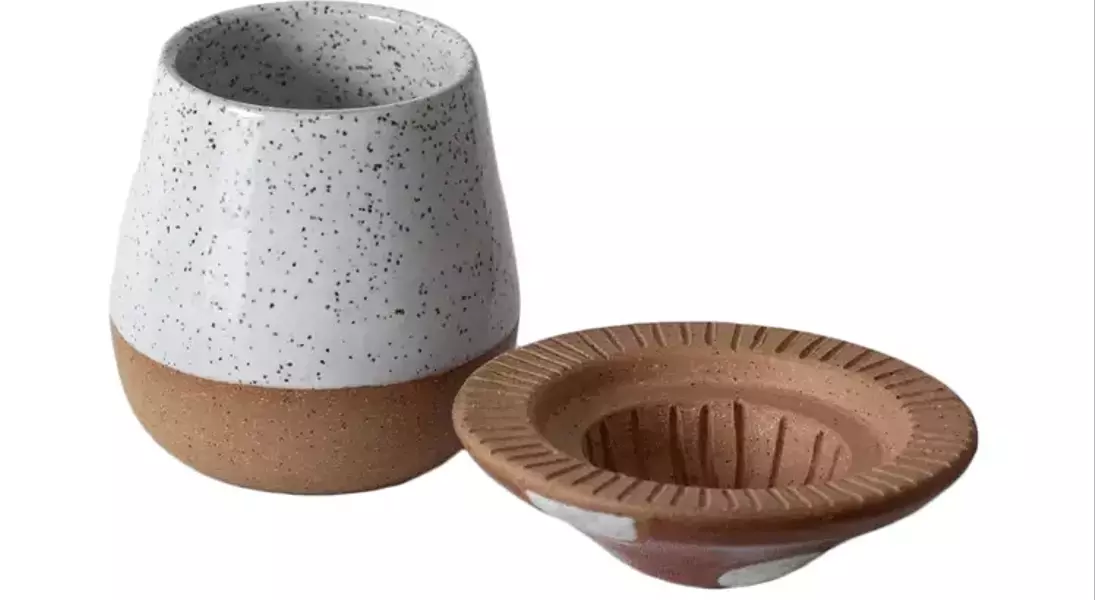
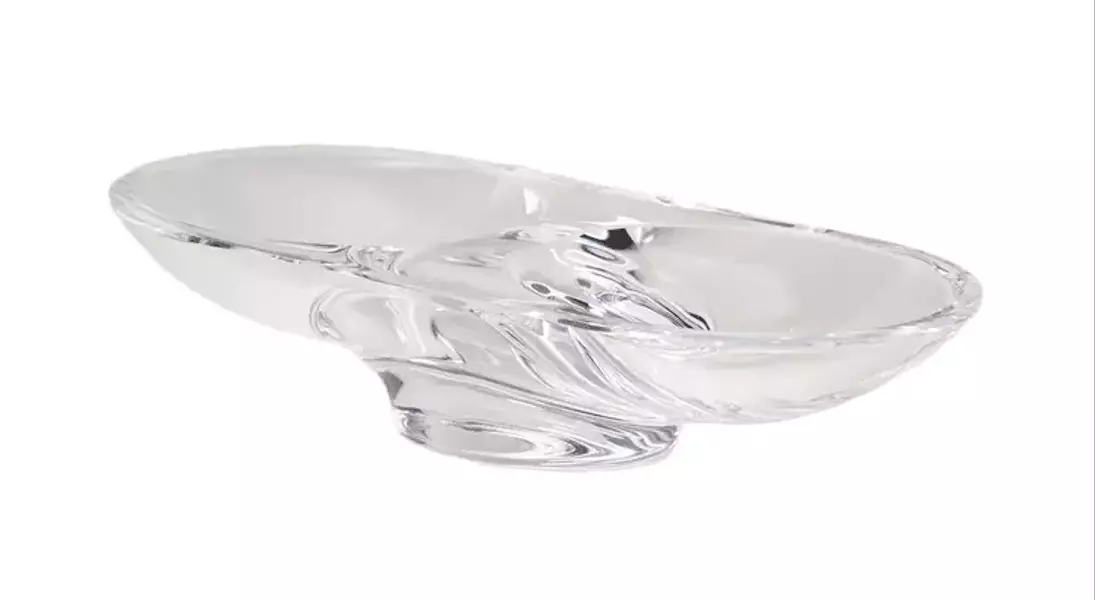
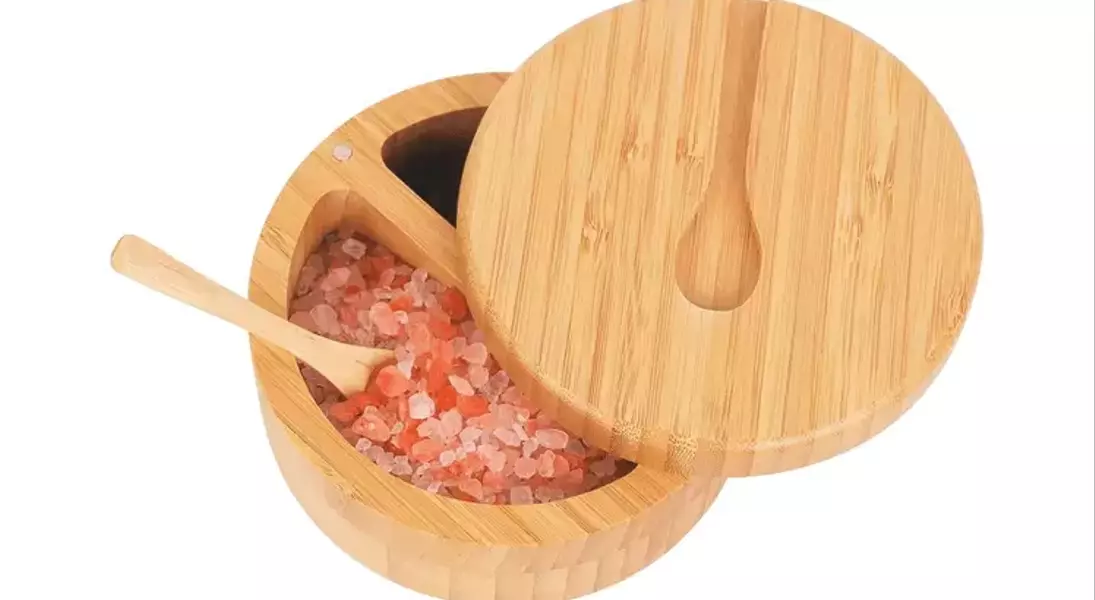
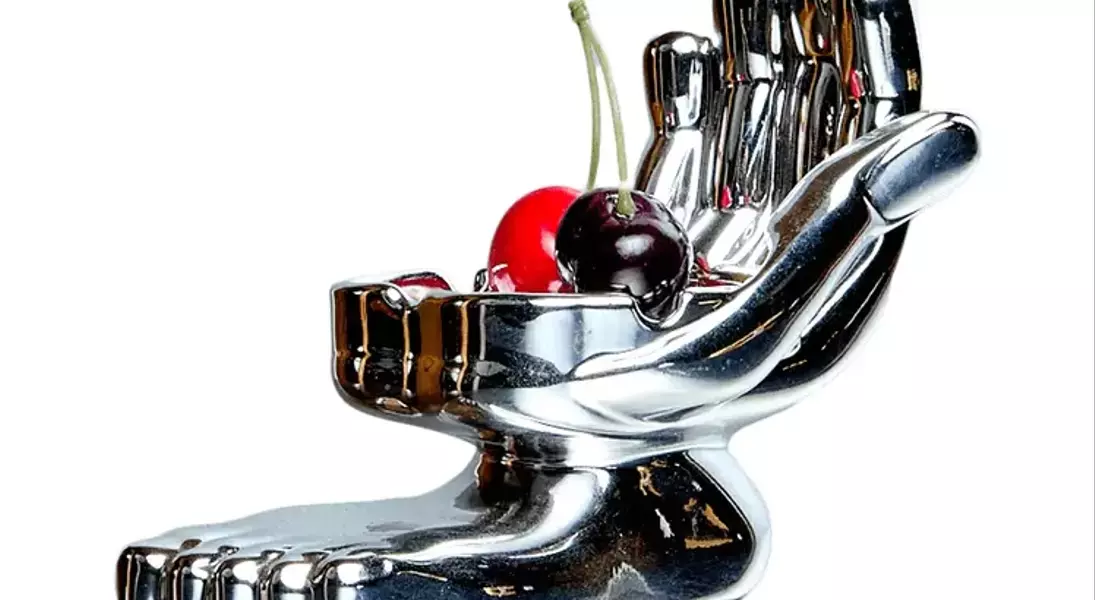
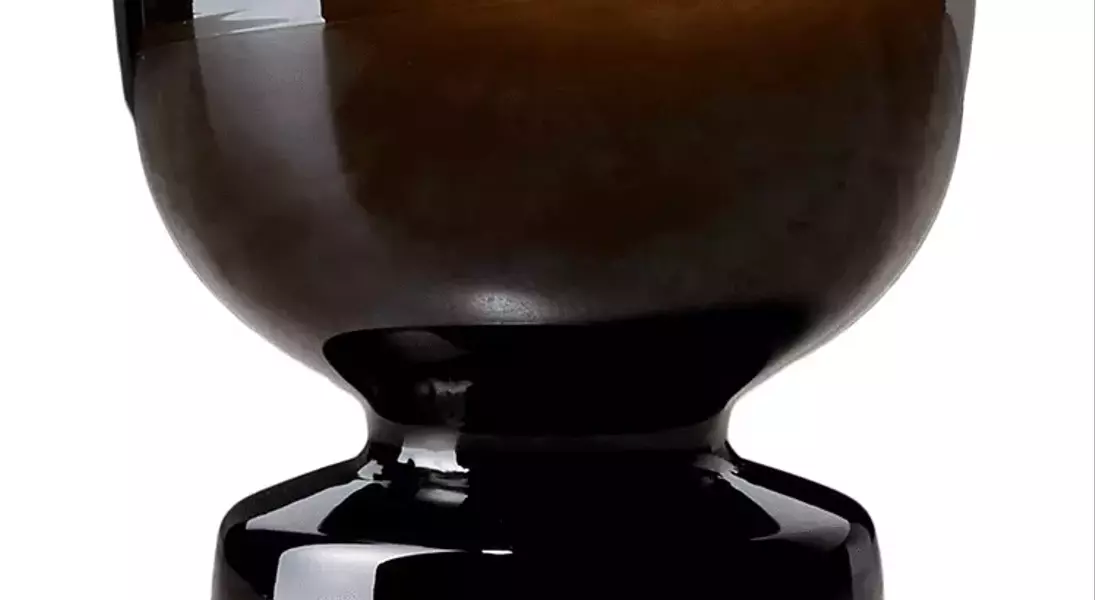
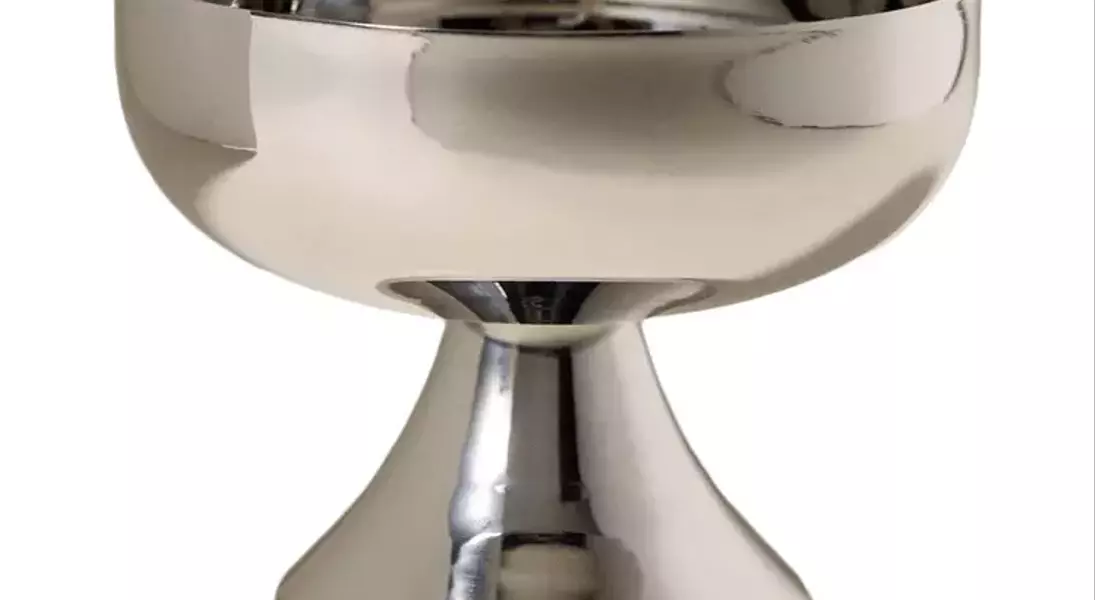
Traditional salt cellar designs often feature two main styles: the 'salt pig' and lidded containers. Salt pigs are characterized by their wide top opening and curved shape, which efficiently protects salt from dust and grease without requiring a lid, making them ideal for busy cooking sessions. Alternatively, lidded salt cellars offer protection against moisture with hinged or swivel tops, allowing for easy access while keeping the salt dry. Beyond these classic forms, a variety of options exist, including rustic stoneware pieces that lend an air of minimalist luxury, or modern cellars with sleek lines and abstract designs that provide a contemporary touch. For those who enjoy a touch of whimsy, uniquely shaped cellars add personality to the kitchen.
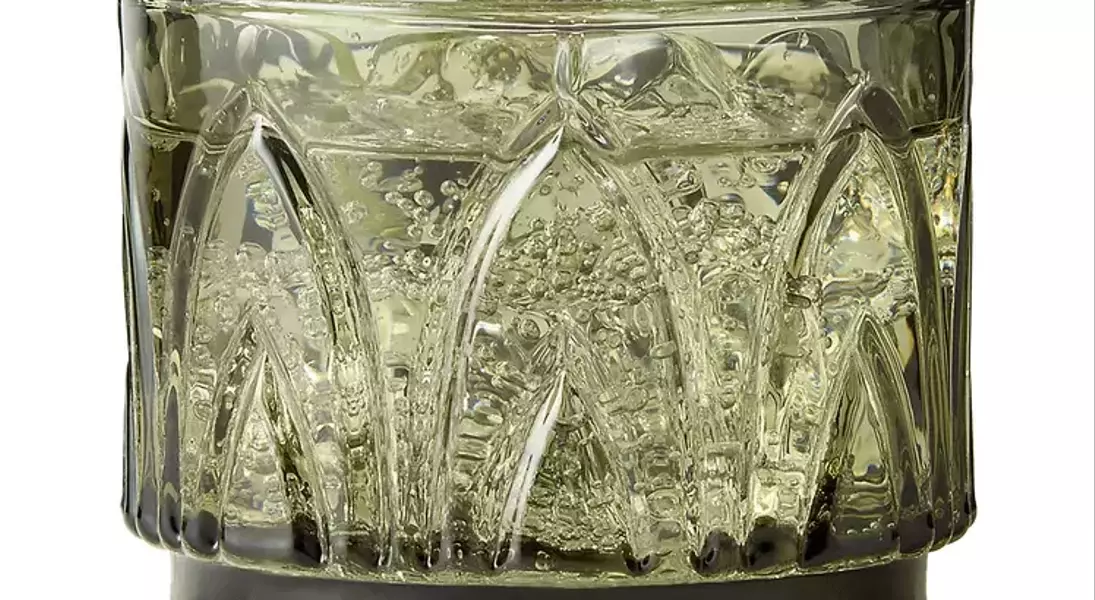
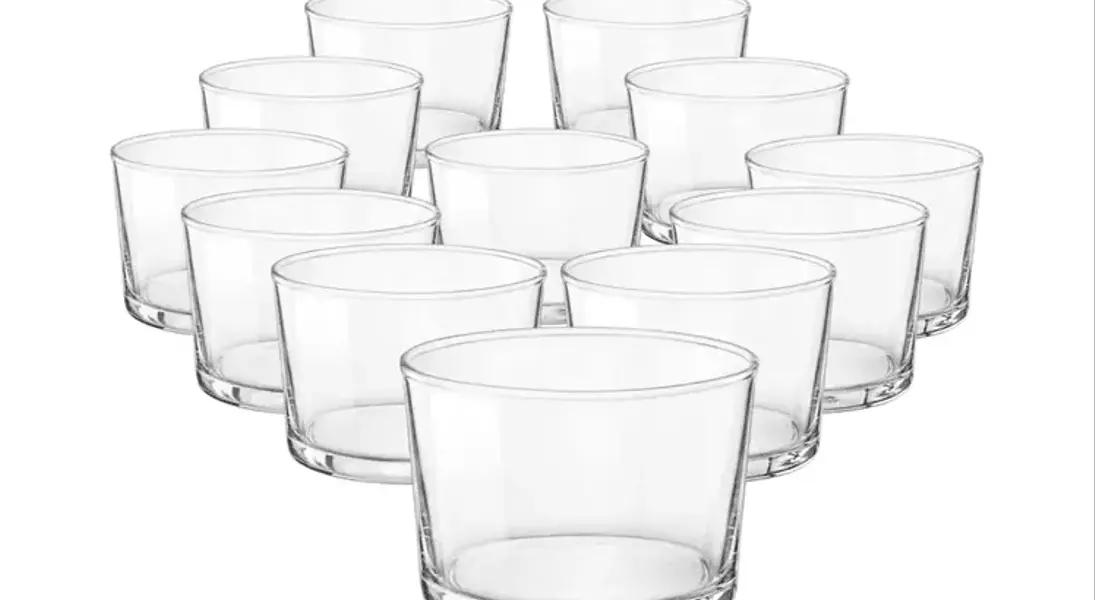
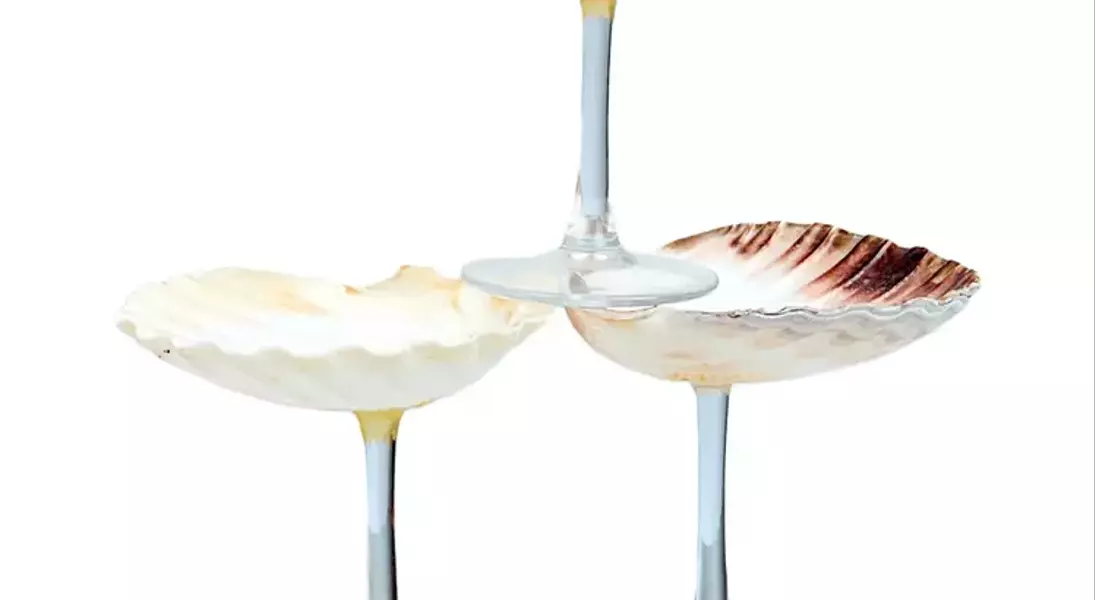
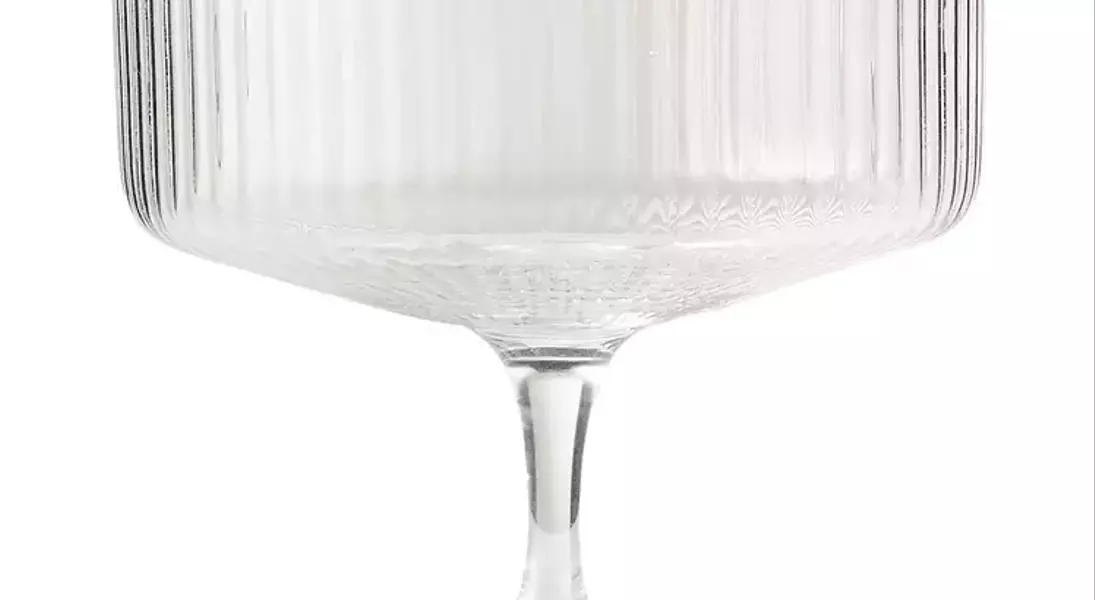
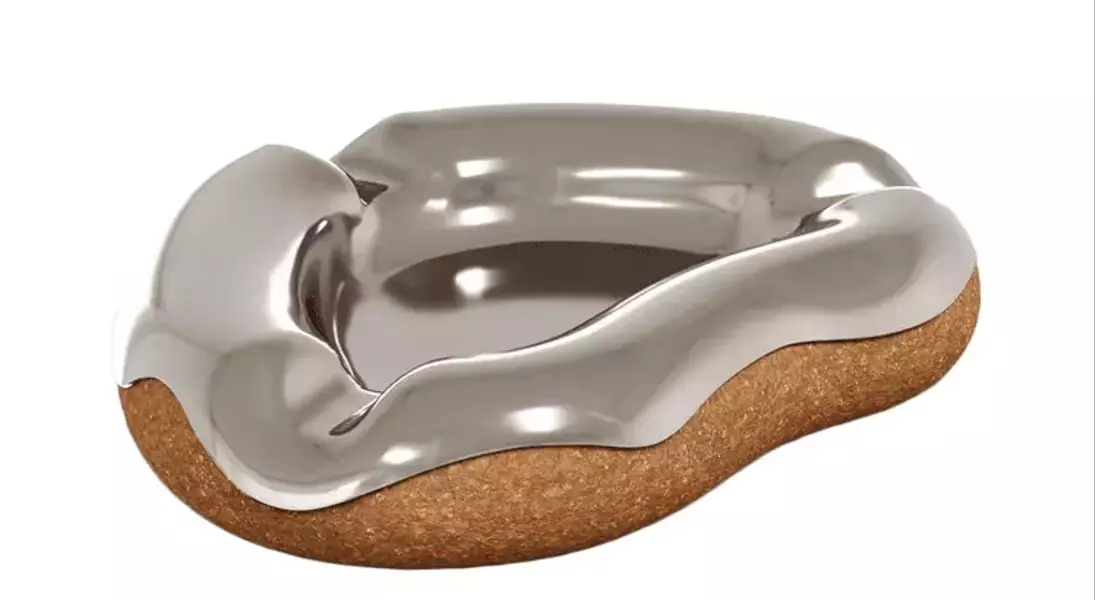
Furthermore, the concept of a salt cellar extends beyond purpose-built items; virtually any suitable container can be repurposed. Ashtrays, small pinch bowls, or even various glassware can function effectively, provided they offer a wide enough opening for easy scooping of kosher or cooking salt. Finer finishing salts, used in smaller quantities, can be stored in more delicate, compact vessels. The key is to select a container that not only meets functional needs but also complements the overall kitchen aesthetic.
Ultimately, the choice of a salt cellar, or even multiple cellars, reflects a thoughtful approach to cooking and kitchen design. By prioritizing both accessibility and style, home cooks can elevate their culinary experience, ensuring that every dish is perfectly seasoned with ease. Embracing both form and function in such a fundamental tool contributes to a more organized, efficient, and enjoyable kitchen environment, fostering creativity and precision in every meal.
