Last Saturday, Santa Fe's historic Eldorado Hotel became a striking fashion hub, reminiscent of major global style capitals. Guests, adorned in exquisite Indigenous-made attire and jewelry, gathered for the 2026 SWAIA Native Fashion Week gala and runway show. This event spotlighted the creations of five prominent Indigenous designers: Jamie Okuma, Pamela Baker, Patricia Michaels, Jontay Kahm, and Lauren Good Day, each presenting their unique vision of contemporary Indigenous fashion. The vibrant gathering underscored Santa Fe's growing reputation as a significant center for Indigenous artistry and innovation.
Santa Fe has a long-standing tradition of celebrating Native American art, with the annual Santa Fe Indian Market drawing thousands of artists and visitors. This recent event, however, injected a fresh wave of creative energy into one of the city's quieter months. The mission was clear: to showcase artists who masterfully blend traditional techniques, such as leatherwork and beadwork, with modern aesthetics. This fusion resulted in pieces that honored heritage while pushing the boundaries of contemporary design.
The weekend's festivities began on Friday morning with a two-day Native Creatives Market held within the Eldorado Hotel. This pop-up bazaar offered guests a chance to engage with a diverse array of Native artists, who displayed and sold their clothing, jewelry, textiles, and beauty products. Highlights from the market included intricately hand-appliquéd vests by Penny Singer, stunning gold and gemstone bracelets by Kenneth Johnson, vibrant beadwork from Jovanna Poblano and Cole Forrest, geometric-patterned jackets by Pacha Arts, and sterling-silver rings by Cody Sanderson. While many of these artisans regularly participate in the larger August Indian Market, this intimate May offering featured special, one-of-a-kind creations.
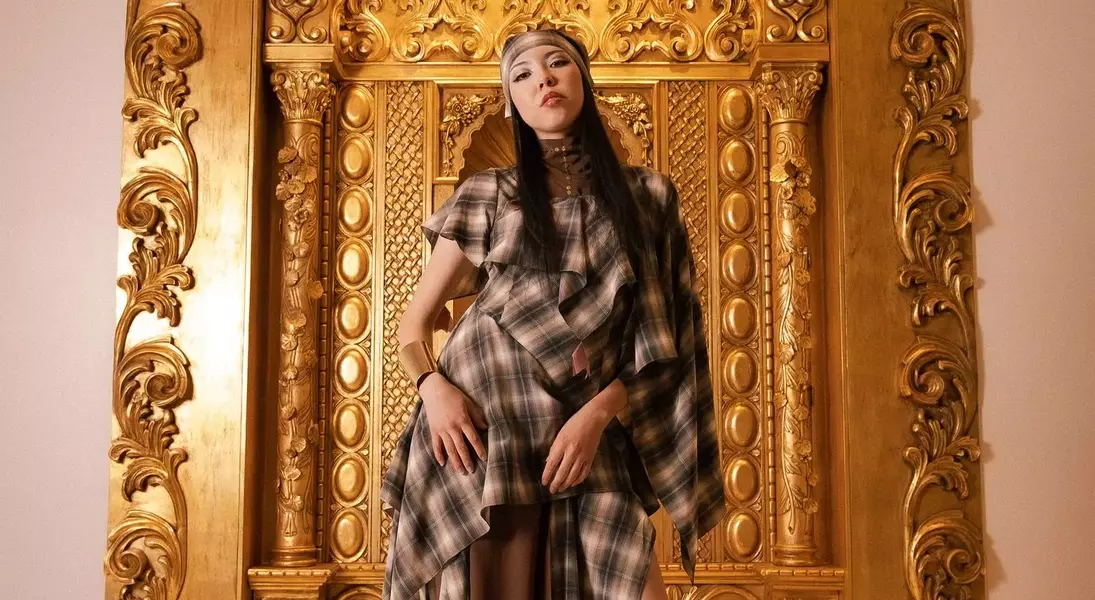
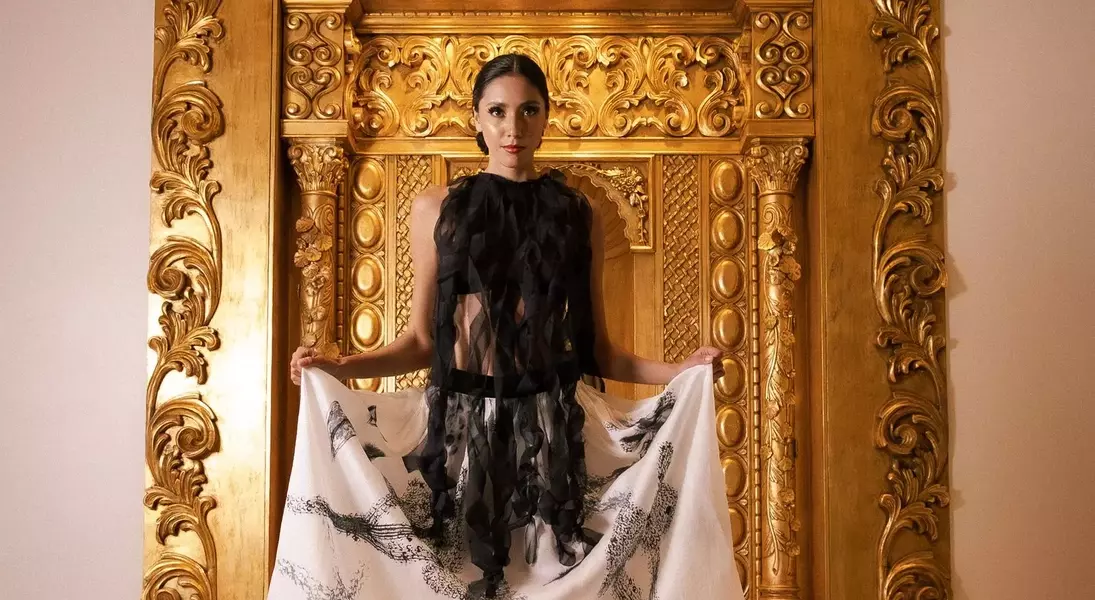
The Saturday evening gala and fashion show served as the pinnacle of the event, showcasing the forward-thinking designs of five leading contemporary artists. Jamie Okuma, of Luiseño/Shoshone-Bannock/Wailaki/Okinawan heritage, opened the show with pieces like a draped plaid gown and a black-and-white silk dress featuring her signature geometric prints. Okuma, a CFDA/Vogue fashion fund finalist, is recognized for her pioneering role as the first Native designer inducted into the CFDA, demonstrating her significant impact on the fashion world.
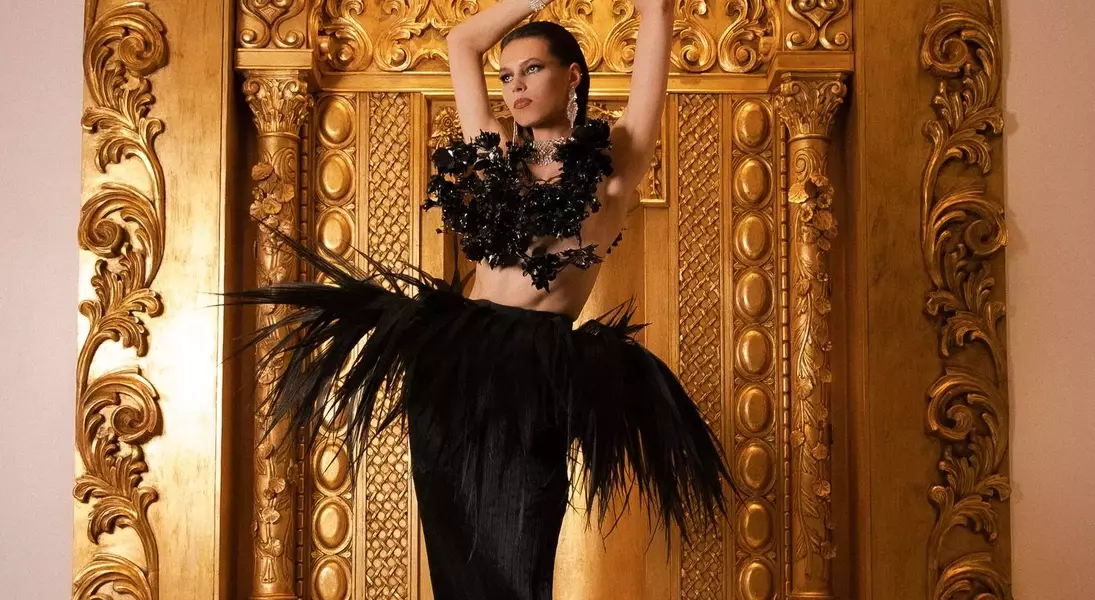
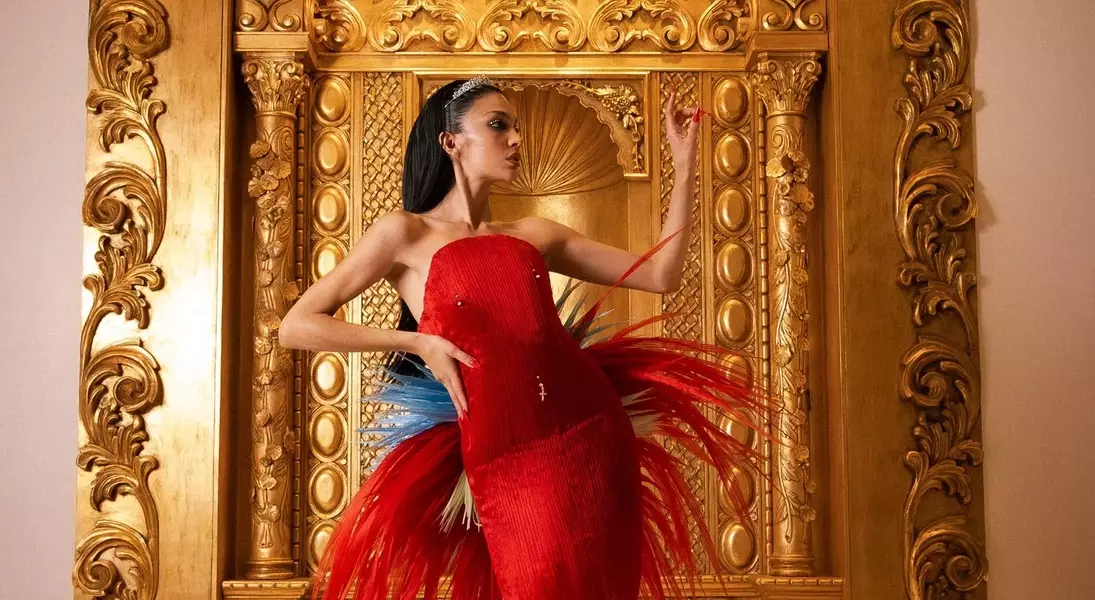
Jontay Kahm, an emerging Plains Cree designer, captivated the audience with his sculptural creations. He ingeniously transformed classic organza to mimic feathers, a recurring motif in his work that draws inspiration from traditional powwow dance regalia. His collection included voluminous dresses, some with peplum accents, and others featuring elaborate bustle silhouettes, reflecting a dynamic blend of cultural heritage and innovative design.
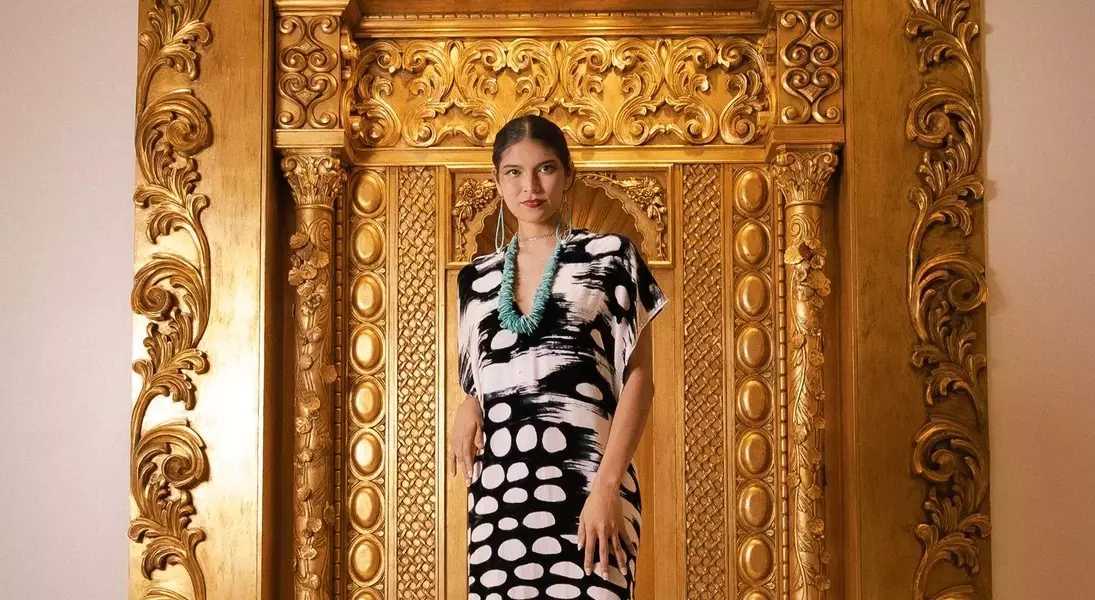
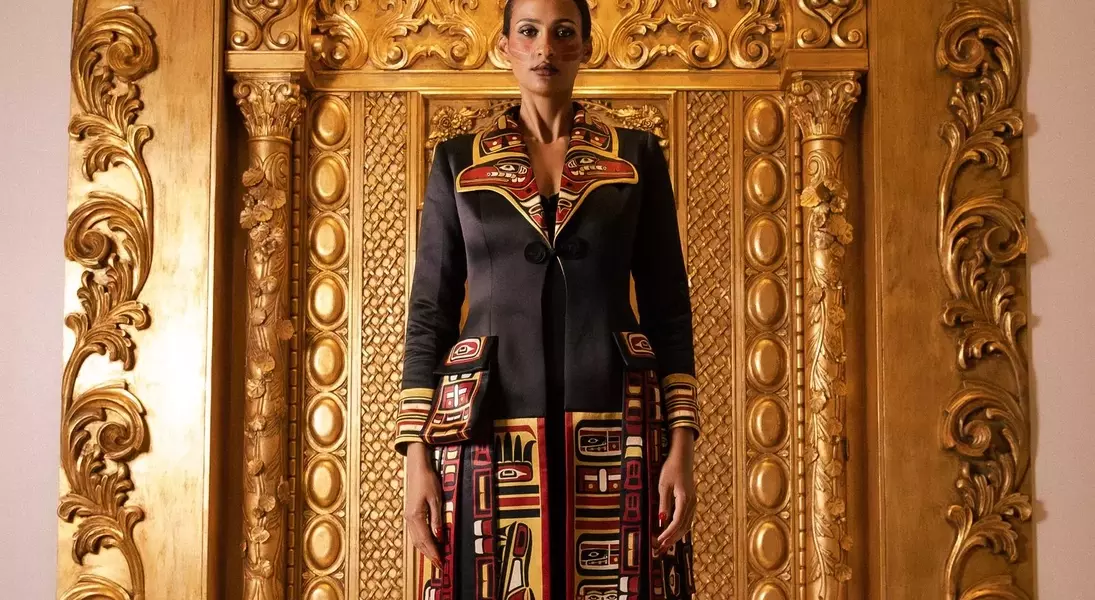
Veteran designer Patricia Michaels from Taos Pueblo, a former Project Runway finalist, presented her signature soft, brushstroke-like prints on elegant silk column dresses and separates. Her designs, some inspired by natural materials like corn, demonstrated a refined approach to Indigenous aesthetics. Pamela Baker, hailing from British Columbia, introduced West Coast influences with elegant gowns and ball skirts that incorporated Northwest Coast formline designs, often seen on totem poles, alongside traditional materials such as rabbit furs and hides.
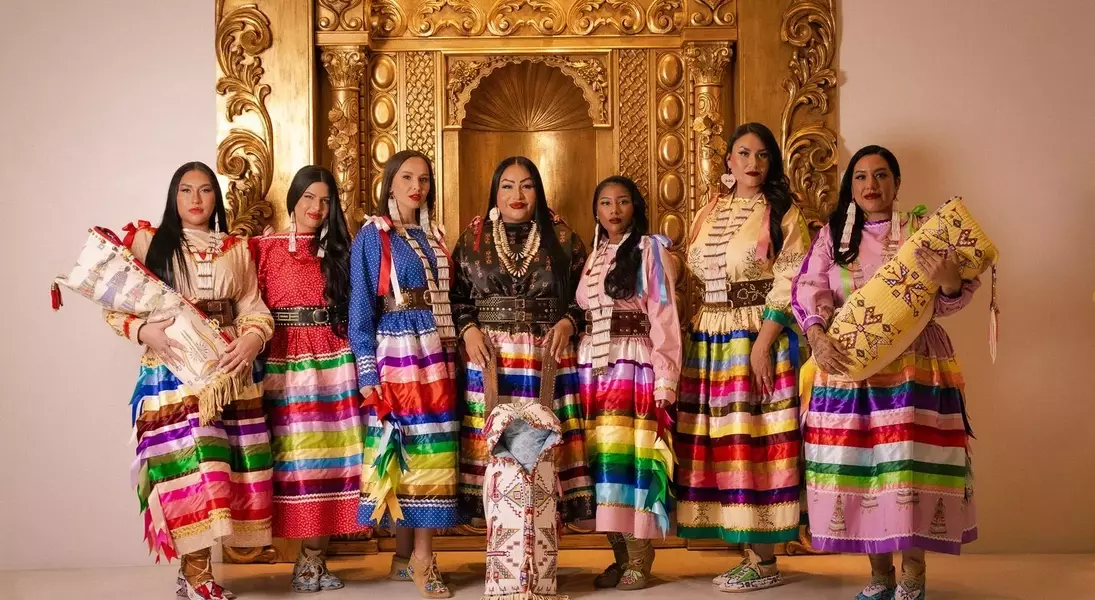
The show concluded with Lauren Good Day, a prominent Arikara/Hidatsa/Blackfeet/Plains Cree designer, known for her vibrant ribbon skirts. Her collection featured a colorful array of these skirts, complemented by beaded moccasins, studded belts, and dentalium shell breastplates. Some models carried striking cradleboards adorned with quillwork or ledger art, symbolizing the enduring legacy of Native excellence and inspiring future generations of artists.
The SWAIA Native Fashion Week not only celebrated the rich artistic traditions of Indigenous cultures but also highlighted the innovative ways in which contemporary designers are reinterpreting and presenting these traditions to a global audience. The event fostered a unique space for cultural exchange and appreciation, solidifying Santa Fe's position as a dynamic center for Indigenous fashion.
