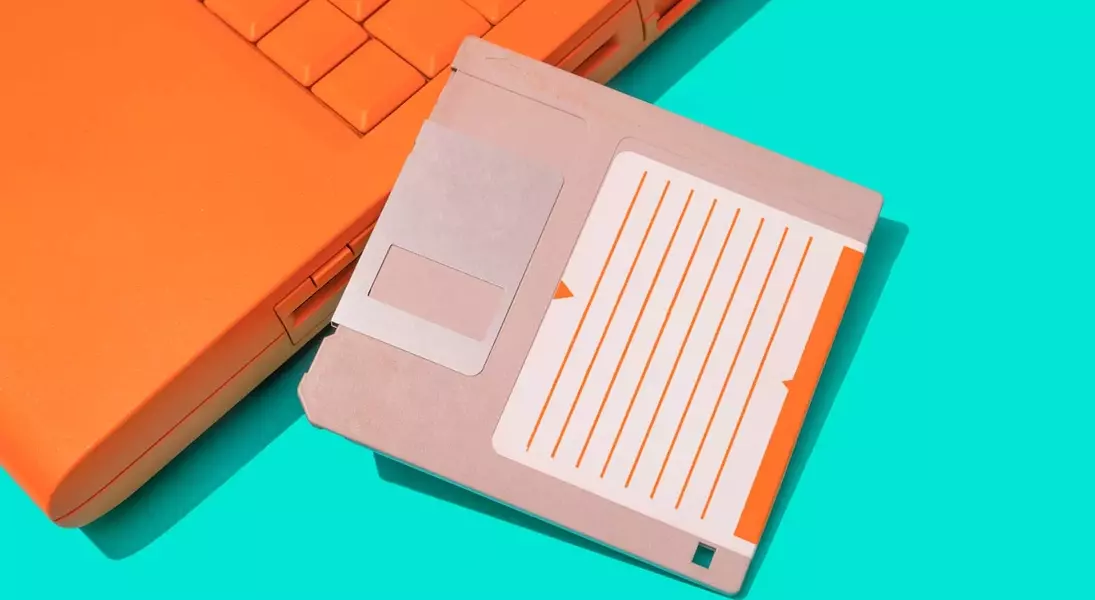
In an era where video game installations often demand dozens, if not hundreds, of gigabytes, a peculiar and nostalgic challenge has emerged from the Korean indie gaming community. Developers are being tasked with crafting an entire playable game that can compress down to a mere 1.44 megabytes—the capacity of a standard 3.5-inch floppy disk. This initiative, spearheaded by the 2P Game Arcade, harks back to a time when storage limitations fostered immense ingenuity, pushing creators to maximize every byte.
The rules of this distinctive competition are refreshingly simple, yet profoundly demanding. Participants must develop an original game, created specifically for this event after its announcement on May 26. The crucial constraint is that the final decompressed game file cannot exceed 1,474,560 bytes. Furthermore, entries must function as standalone executables, ruling out browser-based or web-dependent games. Developers have a strict deadline of September 4 to submit their creations, allowing ample time for both development and rigorous optimization.
While the financial incentives for this contest are modest, especially when compared to the lavish prizes seen in some larger development competitions, the emphasis here is clearly on the artistic and technical challenge itself. First place will receive 720,000 Korean won, approximately $490 USD, alongside a commemorative 'small souvenir.' The judging criteria are equally straightforward: game completeness, adherence to the 1.44 MB capacity limit, and most importantly, the overall enjoyment factor of the game. This focus on fun, despite severe technical limitations, underscores the spirit of the challenge.
In a world where modern titles like 'The Elder Scrolls' remasters can swell to 125 GB, requiring significant system resources and storage, this floppy disk game contest offers a delightful contrast. It's a testament to the enduring appeal of retro computing and a powerful reminder that compelling gameplay isn't solely dependent on graphical fidelity or expansive worlds. The contest encourages a return to fundamental game design principles, where efficiency and clever coding are paramount. It will be fascinating to witness the innovative solutions and charming experiences that emerge from such tight constraints.
