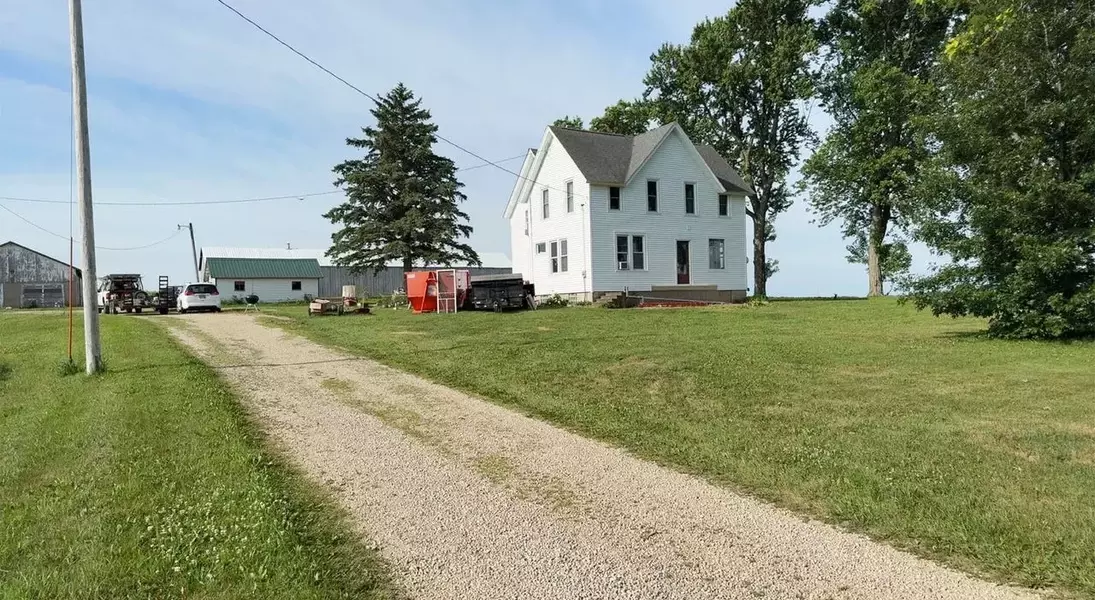
Indiana is actively investing in the future of its rural areas through a substantial grant program designed to inject new life into communities. This initiative underscores a commitment to fostering growth, enhancing local infrastructure, and improving the overall quality of life for residents in the state's less populated regions. By strategically allocating resources, Indiana aims to transform these areas into vibrant hubs, attracting new talent and retaining existing populations.
Empowering Indiana's Rural Heartlands: A New Era of Growth and Prosperity
The Challenges and Resilience of Rural Indiana
The transition from a bustling college environment to a quiet rural setting often brings into sharp focus the common misconceptions surrounding small-town life. Many perceive rural areas as lacking in employment opportunities, adequate educational facilities, or a vibrant community spirit. However, the reality, particularly in places like Pulaski County, Indiana, often challenges these preconceptions. Despite the exodus of younger generations often observed in such areas, many rural communities possess an inherent resilience, a strong sense of pride among their inhabitants, and a foundation of essential services that often go unrecognized.
Strategic Investments for Community Renewal
Recognizing the intrinsic value and potential of these communities, the Indiana Office of Community and Rural Affairs (OCRA), in conjunction with Lt. Gov. Micah Beckwith, has initiated a pivotal Community Development Block Grant program. This program has channeled nearly $1 million towards eight diverse Indiana communities, targeting comprehensive revitalization efforts. For instance, Rush County is set to receive $500,000 to assist low- and moderate-income homeowners with crucial repairs, from roof overhauls to heating and cooling system upgrades. Furthermore, St. Paul and Versailles will benefit from $50,000 Comprehensive Planning Grants to assess their strengths and address critical needs. Other towns such as Farmland, Kentland, Walton, and Shelburn are receiving Utility Study Planning Grants to manage water resources effectively, while Fairmont's downtown area is slated for a $40,000 Revitalization Planning Grant.
A Vision for Sustained Rural Prosperity
OCRA Executive Director Fred Glynn emphasizes that these grants are a testament to local leaders' dedicated efforts to secure long-term improvements for their communities. These vital funds empower towns to enhance their local infrastructure and services, boosting the quality of life for their residents. Such programs are indispensable for ensuring the continued flourishing of Indiana’s rural landscape. They counteract the narrative of decline by transforming visible aspects of these towns and fostering environments where people want to live and work. Beyond mere aesthetic improvements, these grants facilitate critical upgrades like ADA accessibility and support sustainable development practices, ensuring that residents have convenient access to essential services without the burden of extensive travel. It is imperative that these initiatives receive ongoing support, as they are crucial for preserving the unique character and potential of Indiana's rural gems, preventing them from fading away.
