A sudden shake-up in Montana's political landscape has opened an unexpected path for an independent challenger in the upcoming Senate election. The unexpected departure of a prominent figure has created a vacuum, allowing a non-affiliated candidate to potentially capture the seat. This development reflects a growing sentiment among voters who are weary of conventional party allegiances and are seeking alternatives that prioritize individuals over partisan divides. The state, traditionally rooted in strong community values, is now grappling with economic uncertainties, which further fuels this demand for a fresh approach to governance.
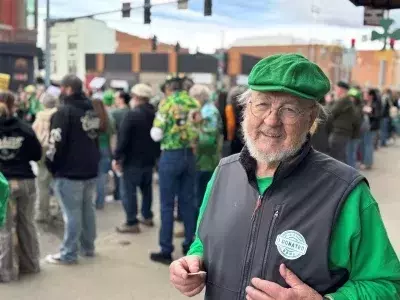
This political shift is particularly evident in Montana's Butte region, a place steeped in Democratic history and a robust labor movement. Local residents, like Larry Carden, express deep concern over the escalating cost of living and the undue influence of wealthy interests in politics, mirroring historical struggles against powerful mining magnates. This widespread dissatisfaction with the established political order has paved the way for candidates like Seth Bodnar, whose independent stance resonates with voters looking beyond traditional party lines. The upcoming election is poised to be a critical moment, potentially redefining Montana's political future as citizens weigh their options amidst calls for change and accountability.
Independent Candidate's Appeal in Montana's Shifting Political Landscape
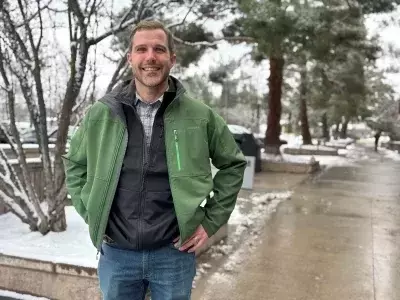
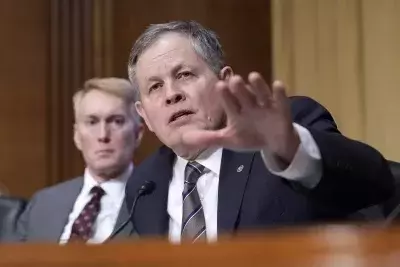
In the wake of recent political upheavals in Montana, the candidacy of Seth Bodnar, an independent former Green Beret and ex-university president, has gained considerable traction for the U.S. Senate. This unexpected opportunity arose from the sudden retirement of Senator Steve Daines, a Republican, which introduced an element of uncertainty into a state typically leaning conservative. Bodnar's campaign centers on a bipartisan appeal, aiming to attract voters disillusioned with the current political climate and the perceived inflexibility of party politics. His message, emphasizing commitment to the Constitution over party affiliation, resonates with a growing segment of the electorate that prioritizes individual integrity and a collaborative approach to governance. This dynamic echoes a historical pattern in Montana where individual character has often outweighed party loyalty, even as the state's political leanings have solidified in recent years.
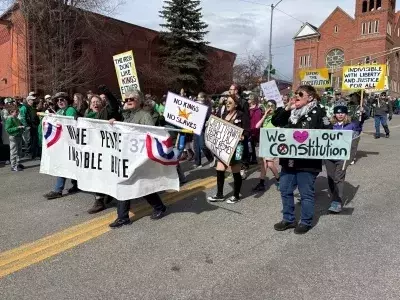
Bodnar's entry into the race, alongside other candidates during events like the Butte St. Paddy's Day Parade, highlights his grassroots approach and direct engagement with the community. His decision to run as an independent, especially after Daines' late withdrawal and subsequent maneuvering to position a preferred successor, has been framed by Bodnar as a rejection of political cronyism. He draws parallels to historical instances of political corruption in Montana, arguing that external influences should not dictate the state's representation. This stance, however, presents a challenge for the Democratic party, as some fear Bodnar's independent bid could inadvertently fragment the liberal vote. Nevertheless, his appeal taps into a broader discontent among both Democrats and Republicans who feel underserved by party establishments and are eager for a candidate who embodies genuine independence and responsiveness to the needs of Montanans.
Montana's Political Tensions and the Economic Undercurrent
Montana's political scene is currently marked by significant tension, particularly among the Republican base, following the abrupt resignations of key congressional figures and the seemingly orchestrated selection of their replacements. This maneuvering by party elites has generated a strong sense of indignation among some voters, who perceive it as dishonest and manipulative. The discontent, articulated by figures like former Republican legislator Roger Koopman, suggests that these backroom dealings could inadvertently benefit independent candidates, particularly those seen as offering a genuine alternative to traditional party platforms. This sentiment reflects a growing desire among the electorate to move beyond partisan gamesmanship and support individuals who are perceived as more authentic and committed to public service, regardless of their political affiliation.
Adding to the political ferment are significant economic anxieties pervasive across Montana. Concerns over rising costs for essentials like healthcare, gas, and food, coupled with the adverse effects of national policies, are deeply impacting residents. Farmers, for instance, are struggling with soaring fertilizer prices and increased interest rates, exacerbated by tariffs and other economic pressures. This economic hardship fuels a populist resentment reminiscent of historical periods in Montana, where ordinary citizens rallied against powerful, outside influences. This blend of political dissatisfaction and economic strain creates a volatile environment, making the outcome of the upcoming Senate race highly unpredictable. Political analysts acknowledge the potential for a strong turnout from voters keen to express their displeasure with the status quo, making the independent candidate's appeal particularly potent in this charged atmosphere.
