This comprehensive analysis delves into the evolution and durability of the Nintendo Switch 2 Joy-Cons, drawing on the extensive experience of a technician who has meticulously worked on over a thousand units. The report highlights Nintendo's significant improvements in controller longevity and design since the original Switch. It also explores the ongoing refinement of hardware through subtle revisions, the crucial role of repairability, and the rapid development of the aftermarket for replacement parts. Unexpectedly, the study suggests that the original 'Joy-Con drift' issue has largely shaped current consumer expectations, often overshadowing the demonstrable enhancements in the Switch 2 controllers. The overall assessment points to a more robust and refined product, deserving of evaluation based on its own merits rather than the legacy of its predecessor.
Switch 2 Joy-Con: A Detailed Examination of Hardware Evolution and User Experience
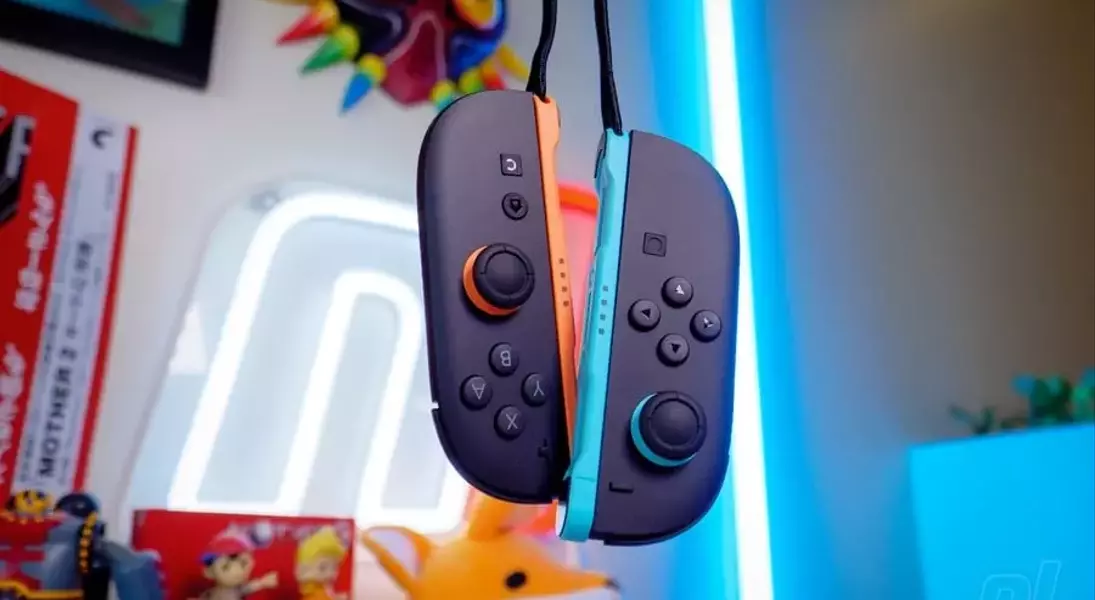
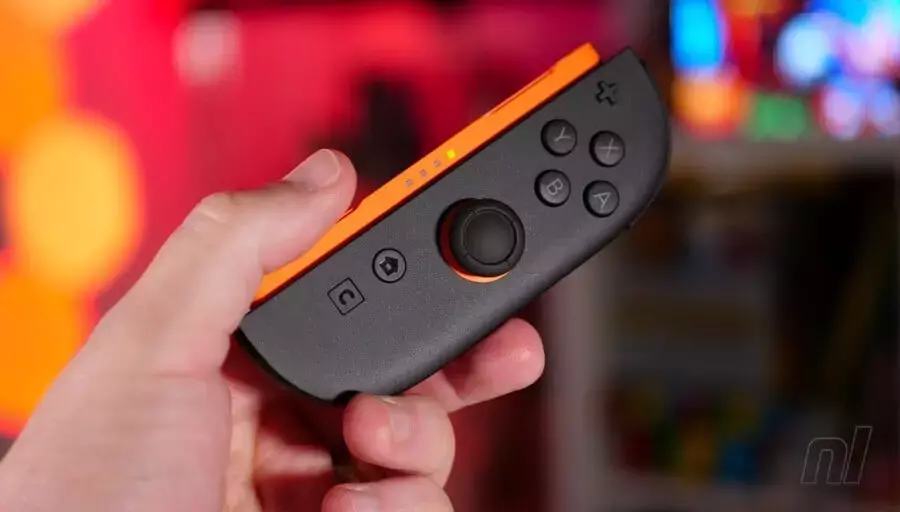
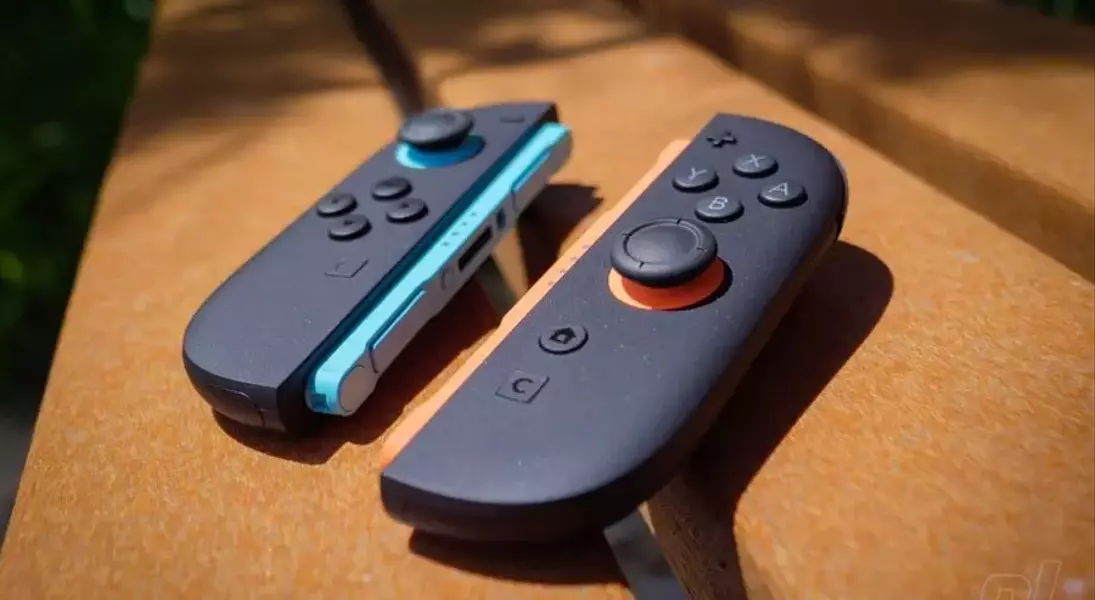
In the dynamic world of gaming hardware, the evolution of controllers is a critical aspect of user experience. Gal Silver, a seasoned technician from GameTraderZero, has provided an unparalleled deep dive into the Nintendo Switch 2 Joy-Cons, based on his hands-on experience with more than 1,000 units over 15 months. This extensive examination offers a rare long-term perspective, moving beyond initial impressions to uncover the true durability and design philosophy behind Nintendo's latest controllers.
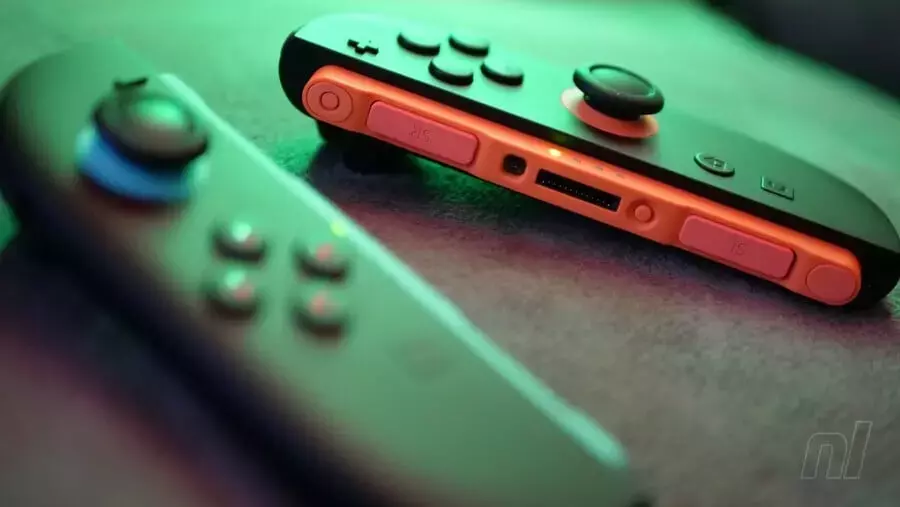
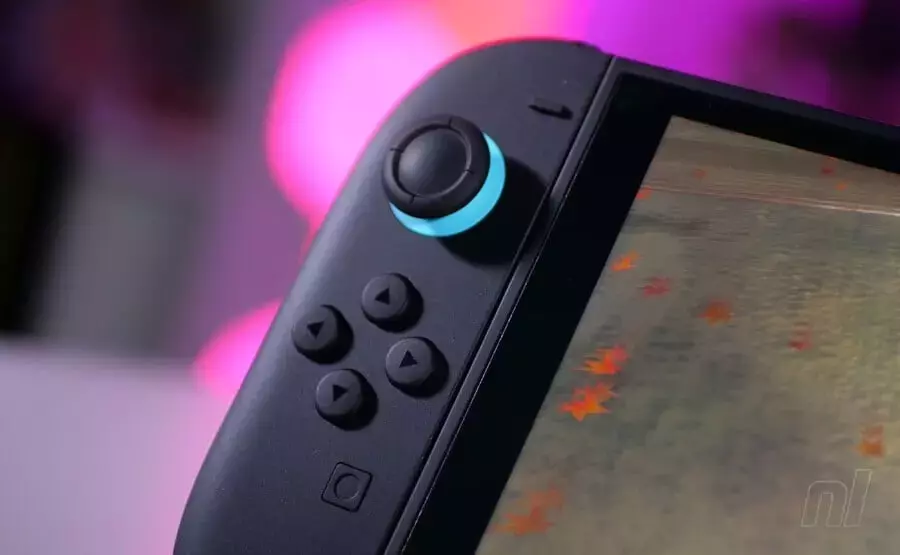
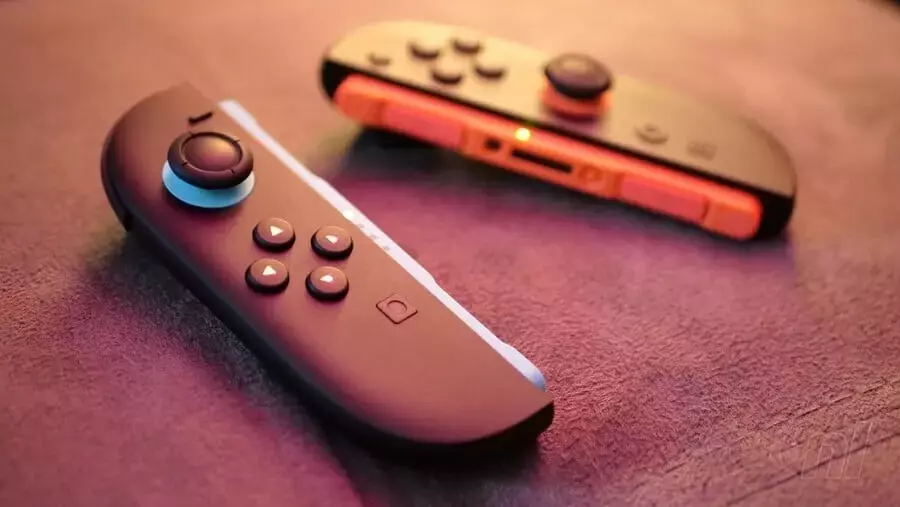
A significant finding is the marked improvement in the durability of the Switch 2's analog sticks. Unlike the widespread 'Joy-Con drift' issues that plagued the original Switch, Silver's observations suggest approximately a 50% enhancement in longevity for the new generation. This improvement, while not guaranteeing immunity from eventual wear, indicates a substantial step forward for Nintendo in addressing a critical consumer concern. Furthermore, the analysis reveals that Nintendo has been subtly refining the hardware Post-launch. An example is the addition of a small foam pad near the inner connector assembly in later production units, likely intended to mitigate intermittent connection issues on the right Joy-Con—a common recurring problem observed by Silver.
One of the most user-centric design choices Nintendo retained is the modularity of the analog stick modules. This feature simplifies repairs, allowing for cost-effective replacements of worn components and extending the controller's lifespan, a stark contrast to many competitors whose analog sticks are soldered directly to the main board. The aftermarket for Switch 2 components has also matured rapidly, offering various high-quality replacements, including Hall Effect and TMR options, with brands like Hallpi receiving particular commendation for their quality and consistency. Interestingly, the lingering reputation of the original Joy-Con drift often leads new Switch 2 owners to preemptively upgrade to TMR sticks, underscoring how past issues can influence current consumer behavior despite significant product improvements.
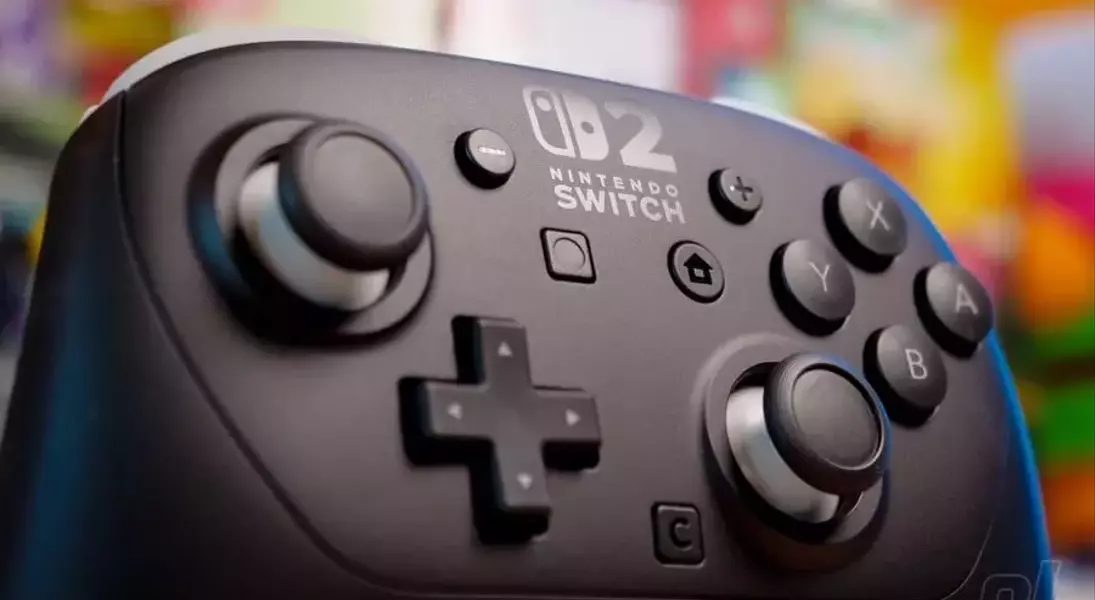
Beyond the Joy-Cons, the Switch 2 Pro Controller also received accolades for its premium features at a competitive price point, including modular analog stick assemblies, further enhancing its repairability and upgrade potential. Silver's overall conclusion is one of cautious optimism, highlighting that Nintendo has learned valuable lessons from its past, delivering a more refined and robust controller experience with the Switch 2.
This detailed report offers a crucial perspective for both current and prospective Nintendo Switch 2 owners, highlighting the genuine strides Nintendo has made in controller design and durability. It serves as a reminder that initial perceptions can sometimes be slow to catch up with actual product improvements. The emphasis on modular design for repairability also champions a more sustainable approach to consumer electronics, encouraging users to maintain rather than discard their hardware. As a discerning observer, I find it encouraging that Nintendo is not only addressing past challenges but also subtly innovating throughout the product lifecycle, demonstrating a commitment to enhancing the user experience based on real-world feedback and usage patterns.
