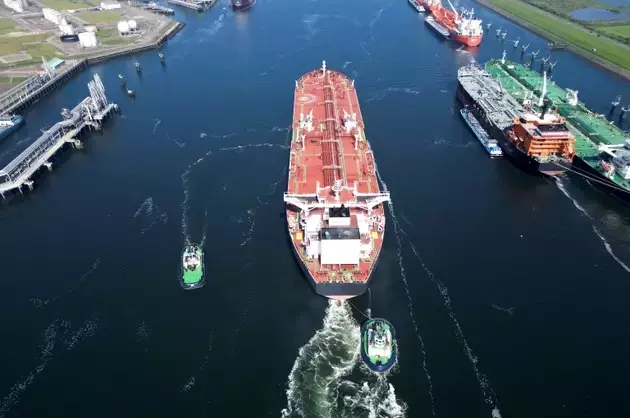
This analysis delves into the escalating influence of international sanctions on the crude oil tanker industry, focusing on the diminishing operational capacity of the 'shadow fleet' and the subsequent market shifts.
Navigating the Storm: Sanctions, Scarcity, and Surging Rates in the Tanker Sector
The Expanding Reach of Sanctions on Global Shipping
The proportion of the worldwide crude tanker fleet affected by various sanctions has now reached 18.57%. A concerted effort to bolster these enforcement measures is anticipated to take full effect by 2025. This tightening regulatory environment is poised to significantly curtail the operational effectiveness of vessels operating outside established norms, commonly referred to as the 'shadow fleet'.
Differentiating the Effectiveness of Sanctioning Bodies
An examination of different sanctioning authorities reveals a marked disparity in impact. Sanctions imposed by the US Office of Foreign Assets Control (OFAC) have demonstrated a profound effect, leading to a substantial 70% decrease in the productivity of vessels under their purview. In contrast, measures enacted by the European Union and the United Kingdom alone have resulted in a comparatively modest 30% reduction in vessel efficiency. This highlights the critical role and assertive stance of US regulatory actions in reshaping maritime trade dynamics.
Supply-Side Pressures: A Boon for Compliant Tanker Operators
The ongoing removal of sanctioned capacity from active trade is creating a significant imbalance in the supply-demand equilibrium for compliant tanker vessels. This reduction in available legitimate shipping options is occurring at a faster pace than new vessel constructions can replenish, leading to a tightening market. As a direct consequence, both spot and long-term charter rates for non-sanctioned tankers are experiencing upward pressure, fostering a more favorable economic environment for reputable shipping companies.
The Steep Path to Re-entry for Sanctioned Vessels
For vessels that have been placed under sanction, the prospect of returning to compliant international trade routes is fraught with considerable challenges. These include prohibitive costs associated with necessary modifications and administrative hurdles, as well as lengthy timeframes required to clear their status. This arduous process further consolidates the competitive advantage held by established, legitimate tanker operators, reinforcing the current market trends.
