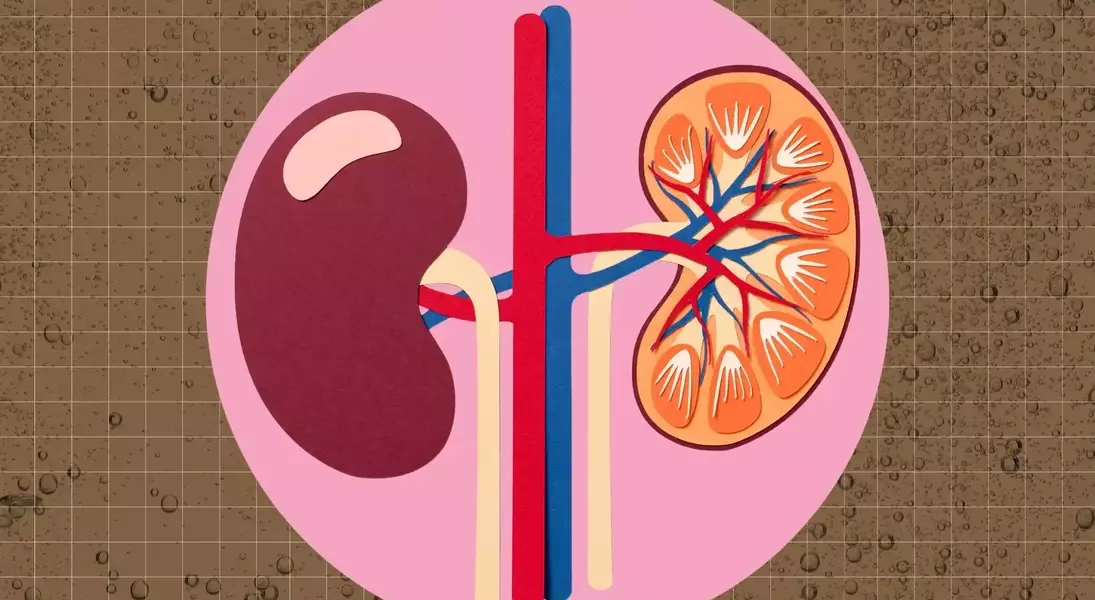
The kidneys are vital organs responsible for maintaining the body's fluid and electrolyte balance. Their proper functioning is crucial for overall health, and diet plays a significant role in supporting kidney health. According to Melanie Betz, MS, RD, CSR, FNKF, FAND, a healthy diet can prevent kidney disease, which is often linked to uncontrolled high blood pressure or diabetes. Among various beverages, dark-colored, sugar-sweetened sodas have been identified as potentially harmful to kidney function, even in healthy individuals. Registered dietitians explain that these drinks can negatively affect the kidneys through their phosphoric acid content, high levels of added sugars, and impact on overall hydration.
Dark sodas often contain phosphoric acid, derived from phosphorus, which is added for flavor and acts as a preservative. While some foods naturally contain phosphorus, the additive form found in sodas is absorbed differently by the body. For individuals with chronic kidney disease (CKD), excessive phosphorus can accumulate in the blood, accelerating CKD progression, contributing to mineral and bone disorders, and increasing cardiovascular risk, as noted by Lindsay Ducharme, RD, CSR, LDN, and Vanessa Connolly, RDN, CSR, LD. Studies suggest that higher exposure to added phosphorus correlates with reduced kidney function. Additionally, the high sugar content in many dark sodas, often exceeding daily recommended limits, contributes to chronic conditions like hypertension, Type 2 diabetes, metabolic syndrome, and obesity—all significant risk factors for kidney disease. Consistently high intake of these sugary drinks, rather than occasional consumption, is the primary concern.
Maintaining adequate hydration is paramount for kidney health, and dark sodas can undermine this. Dehydration can cause kidney damage, making water the best choice for fluid intake. Healthier alternatives recommended by dietitians include plain water, sparkling water (with a quick check for added sodium, phosphorus, or sugars), fruit juice with no added sugar, and cow's milk. Water supports waste filtration, prevents kidney stones, and regulates sodium balance, while milk can also reduce the risk of kidney stones. By prioritizing these low-sugar or no-sugar options, individuals can support optimal kidney function and overall well-being.
Embracing a diet that nurtures our kidneys is a profound act of self-care. Choosing wholesome beverages over sugary, phosphoric acid-laden sodas is a simple yet impactful step towards a healthier future. Let us commit to nourishing our bodies with choices that promote vitality and well-being, paving the way for a life brimming with energy and resilience.
