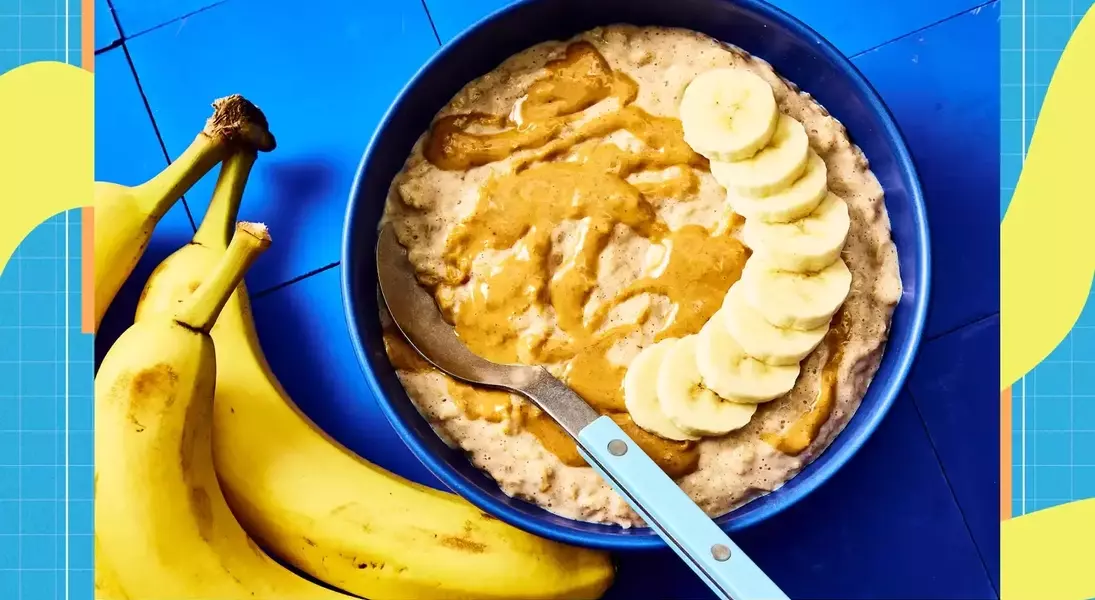
Oats are widely recognized as a fundamental component of a heart-healthy diet, largely due to their unique composition of elements that actively work to reduce cholesterol. The powerful combination of fiber, antioxidants, and essential minerals found in oats plays a crucial role in safeguarding blood vessels by minimizing the accumulation of sticky plaque. This protective action is particularly beneficial in reducing LDL (low-density lipoprotein) cholesterol, often referred to as 'bad' cholesterol, thereby supporting overall cardiovascular health.
The efficacy of oats in managing cholesterol is primarily attributed to beta-glucan, a soluble fiber that effectively binds to cholesterol in the digestive tract, facilitating its elimination from the body before it enters the bloodstream. Consistent daily consumption of about three-quarters to one cup of oats has been shown to improve cholesterol levels within a month. Furthermore, beta-glucan contributes to a reduction in total cholesterol by forming a gel in the gut, which traps cholesterol and helps remove it from the body, prompting the liver to draw more cholesterol from the blood, thus lowering overall levels. Oats can be enjoyed in various forms, such as convenient overnight oats for a quick breakfast, baked oatmeal cups perfect for on-the-go snacking, or blended into smoothies for an added fiber boost. For those who prefer a warm meal, traditional hot oatmeal remains a comforting and beneficial option, especially since cooking oats in liquid enhances the extraction of beta-glucan.
Beyond incorporating oatmeal into your daily regimen, maintaining healthy cholesterol levels involves other key lifestyle adjustments. Minimizing the intake of saturated fats, commonly found in fatty meats, processed foods, and full-fat dairy products, is crucial, with dietary guidelines recommending limiting saturated fat to no more than 10% of daily caloric intake. Replacing these with heart-healthy unsaturated fats, such as those found in olive oil, avocados, nuts, and seeds, can help counterbalance the negative effects of saturated fat on cholesterol. Equally important is regular physical activity, which not only boosts an enzyme that helps break down and clear LDL cholesterol but also increases beneficial HDL (high-density lipoprotein) cholesterol. Choosing enjoyable forms of exercise can help ensure long-term adherence and contribute significantly to a healthier heart.
Embracing a lifestyle that includes daily oatmeal consumption, a balanced diet rich in healthy fats, and consistent physical activity can profoundly influence your cholesterol levels and overall heart health. These simple yet effective strategies provide a solid foundation for maintaining a vibrant and healthy life.
