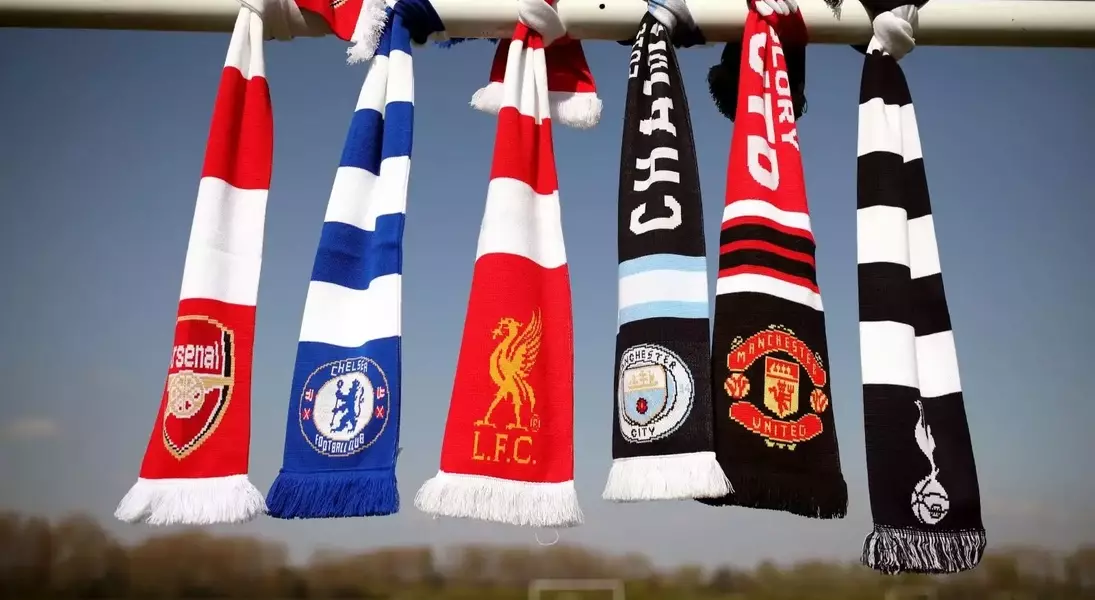
The concept of the 'Big Six' in English football faces increasing scrutiny, with many questioning its continued relevance in light of evolving team performances and financial dynamics. While some clubs historically boast significant revenue and global fan bases, recent on-field results and the stringent application of financial fair play regulations suggest a shifting power balance. This has led to discussions about whether the Premier League, intentionally or unintentionally, functions as a two-tiered system where a select few are insulated from broader competitive pressures. Furthermore, the expansion and commercialization of international tournaments like the Club World Cup spark debates about the very essence of football, pitting sporting integrity against growing financial interests.
Amidst these changes, fan sentiment remains a crucial aspect of the football narrative. Supporters continue to engage passionately with topics ranging from club transfers and player performances to the broader implications of financial policies and the ethics of new competitions. The contrasting views highlight a vibrant, if sometimes volatile, community grappling with the sport's transformation. From optimistic outlooks on player potential to skepticism about management decisions and a clear rejection of tournaments seen as purely commercial ventures, the diverse opinions underscore the deep connection fans have to their clubs and the game at large, even as they acknowledge its increasing complexity.
The Shifting Sands of the Premier League Elite
The traditional idea of a 'Big Six' in the Premier League is increasingly viewed as an anachronism, especially when considering recent league standings and the varying financial health of its members. While some clubs historically dominate revenue charts and global reach, their on-pitch performance may not always align with this elite status. For instance, the consistent inclusion of Manchester United, despite their recent finishes outside the top positions and absence from European competition, raises questions about the criteria for this 'big' designation. It suggests that historical reputation and commercial power might be outweighing current sporting merit, creating a perception of a protected class within the league.
This ongoing debate highlights how financial regulations like Financial Fair Play (FFP) inadvertently contribute to a stratified league structure. Rather than fostering broader competition, these rules appear to solidify the positions of established wealthy clubs, making it harder for aspiring teams to break into the top echelon. The analogy of a 'mini-super league' within the Premier League suggests that the majority of clubs might be relegated to playing a supporting role, primarily serving to enhance the visibility and appeal of the few elite teams. This dynamic can be frustrating for fans of clubs outside this exclusive circle, as they witness their teams consistently hitting a glass ceiling, regardless of ambition or investment.
The Conflation of Sport and Spectacle in Modern Football
The essence of competitive football, driven by genuine sporting rivalry, appears to be increasingly overshadowed by a growing emphasis on spectacle and financial gain. The comparison of certain football fixtures to staged entertainment, like the Harlem Globetrotters' exhibition games, provocatively suggests that some matches are less about unpredictable competition and more about showcasing the dominance of a few powerful entities. This perspective is particularly resonant with the revamped Club World Cup, which critics view as a commercially driven initiative designed to generate revenue for a select few rather than genuinely fostering global sporting development. The lack of competitive bidding for broadcast rights and low attendance figures for some matches underscore skepticism regarding its sporting value and audience appeal.
This trend extends beyond individual tournaments, influencing various facets of the game, including transfer policies and fan engagement. Discussions about player transfers often revolve around their financial implications and market value rather than purely sporting considerations, reflecting the intricate link between club finances and on-field success. Moreover, the fervent, sometimes toxic, reactions of fanbases to transfers, team performance, and club governance illustrate the passionate, yet complex, relationship between supporters and the commercialized sport. The shift towards a more entertainment-focused product, propelled by immense wealth and global reach, prompts a re-evaluation of football's core values and its future trajectory, forcing fans and pundits alike to confront uncomfortable truths about the sport's evolving identity.
