Iceland holds the top position in the 2025 Global Peace Index due to its remarkably low crime rates, minimal military presence, and absence of conflicts, both domestically and internationally. This makes the Nordic island nation an appealing prospect for individuals seeking a tranquil post-career life. However, aspiring retirees must consider the significant financial implications of living there. The monthly cost of living for a single person is approximately $3,155, which is notably higher than the average in the United States, alongside the challenging winter climate that could temper enthusiasm for relocation.
The Institute for Economics and Peace's annual Global Peace Index (GPI) assesses 163 countries using 23 indicators across three primary areas: societal safety and security, the extent of ongoing domestic and international conflict, and the degree of militarization. For 17 consecutive years, Iceland has led this prestigious list. Beyond its impressive safety record, Iceland fosters a society built on trust and communal support, consistently achieving high global rankings for gender equality and overall quality of life. The country offers stunning natural landscapes, including geothermal pools and the unique phenomenon of the midnight sun during summer months, creating an idyllic environment free from urban stressors like constant siren calls.
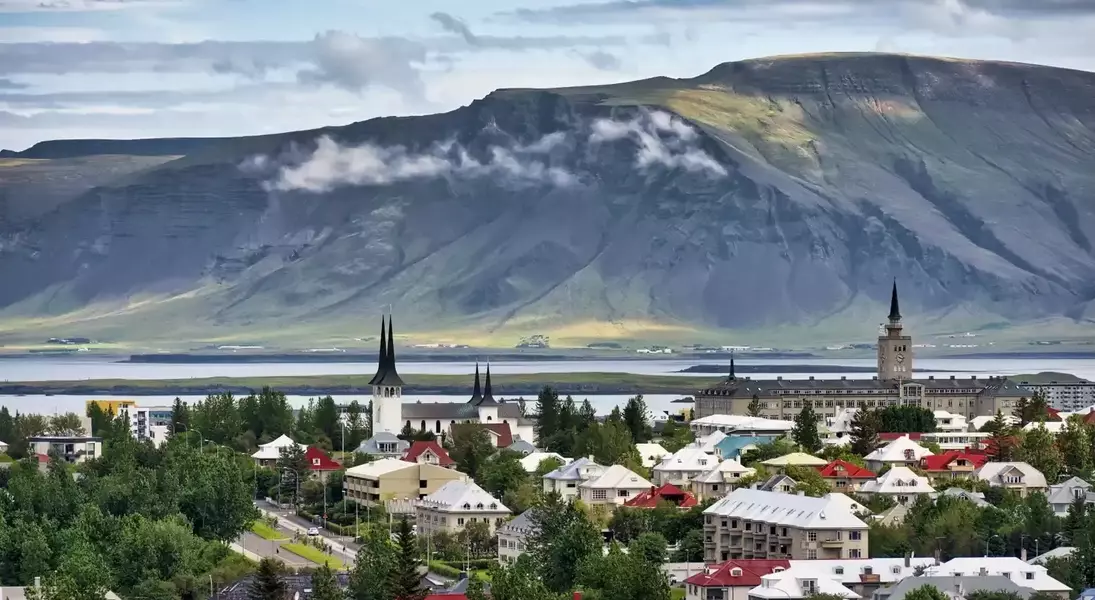
Despite these undeniable attractions, the financial realities of retiring in Iceland are substantial. Reykjavik, the capital, is among the world's most expensive cities, with monthly costs for a single person, including rent, reaching approximately $3,268—30% higher than the U.S. average. Grocery prices are inflated due to reliance on imports, and a modest one-bedroom apartment commands around $1,850 per month. While residents gain access to universal healthcare after six months, with capped out-of-pocket expenses, private insurance is necessary to cover initial gaps, and specialist appointments can involve lengthy waits. Furthermore, Iceland does not offer a specific retirement visa. Non-EU citizens, such as Americans, can stay visa-free for 90 days, after which they must apply for a 'financially independent' residence permit. This requires proof of financial self-sufficiency of at least 247,572 ISK (approximately $1,750) monthly, along with private health insurance and secure housing. Obtaining permanent residency necessitates a continuous four-year stay and completion of a 150-hour Icelandic language course.
Ultimately, Iceland presents a unique proposition for retirees: unparalleled peace, security, and the therapeutic embrace of nature. This environment is particularly attractive to those with substantial savings who value a serene lifestyle over conventional beach-centric retirement dreams. However, prospective residents must carefully weigh their tolerance for the high cost of living, the long, dark winters, and the administrative hurdles of immigration against the profound benefits of living in one of the world's safest and most trusting societies. A balanced decision involves considering personal financial resilience, adaptability to climatic conditions, and a willingness to navigate the country's residency requirements, all in pursuit of a peaceful and fulfilling retirement.
