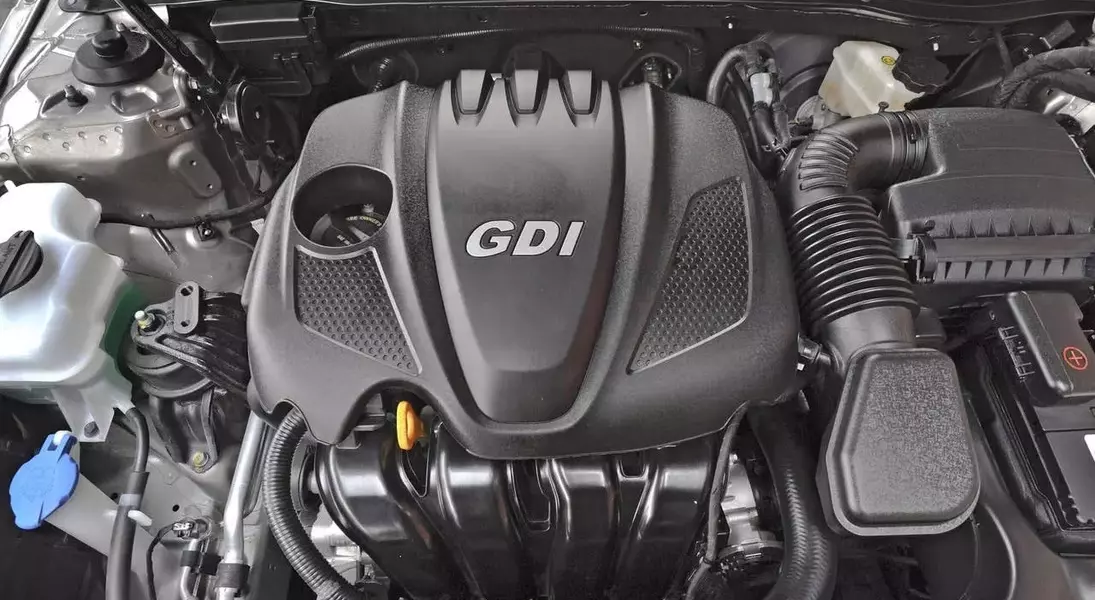
Hyundai's Theta II 2.4-liter engine has garnered a notorious reputation over the years, marred by a persistent history of recalls, legal battles, and widespread owner complaints. These issues primarily stem from catastrophic engine failures attributed to excessive bearing wear and insufficient oil lubrication. While manufacturing debris, systemic lubrication problems, and lingering questions about long-term durability have all contributed to its troubled legacy, a recent teardown of a high-mileage Theta II unit offers a rare glimpse into how these engines deteriorate over an extended period. This particular engine, exceeding 180,000 miles, defied the typical lifespan, showcasing that while some units may last longer, they ultimately succumb to the same inherent design flaws.
The comprehensive analysis of this engine revealed a familiar pattern of degradation, albeit occurring over a prolonged duration. The examination confirmed that despite its extended operational life, the engine exhibited characteristic signs of internal damage, including extensive wear on critical components and the presence of metallic contaminants. This investigation underscores that the fundamental issues plaguing the Theta II engine—such as compromised oil control and subsequent component breakdown—remain consistent, regardless of how long individual units manage to operate. The findings reinforce the understanding that these engines don't suddenly fail, but rather undergo a gradual decline, eventually leading to terminal damage.
Understanding the Notorious Theta II Engine
The Hyundai Theta II 2.4-liter engine has been a subject of continuous scrutiny due to a series of recalls, ongoing lawsuits, and widespread owner grievances. The primary causes of these failures are consistently linked to premature bearing wear and critical oil starvation, which can be traced back to manufacturing defects, inadequate lubrication, and fundamental issues with long-term structural integrity. This engine has become emblematic of problematic modern four-cylinder designs, with a consistent pattern of rod knock, internal component seizure, and the frequent need for complete engine replacement observed across various Hyundai and Kia models. This history has cemented its difficult-to-shake reputation within the automotive industry, highlighting deep-seated reliability concerns that have impacted numerous vehicle owners.
Despite its widely acknowledged reliability issues, the discovery and subsequent teardown of a Theta II engine that had accumulated over 180,000 miles presented a unique opportunity for in-depth analysis. This high-mileage example, sourced from a 2013 Kia Optima, provided critical insights into how these engines' inherent weaknesses manifest over an extended operational period. While many Theta II engines failed at much lower mileages, this particular unit demonstrated that some could endure significantly longer, either through unusual luck or delayed onset of typical problems. The examination sought to understand if the failure mechanisms in this high-mileage engine differed from those commonly reported or if it merely represented a delayed progression of the same established faults.
Dissecting the Deterioration of a High-Mileage Engine
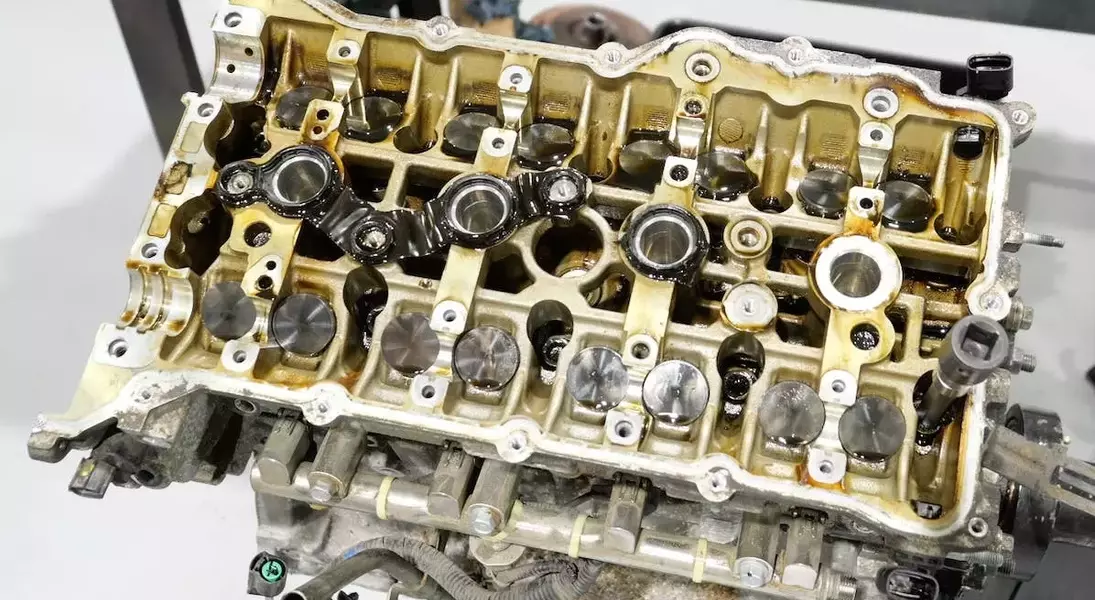
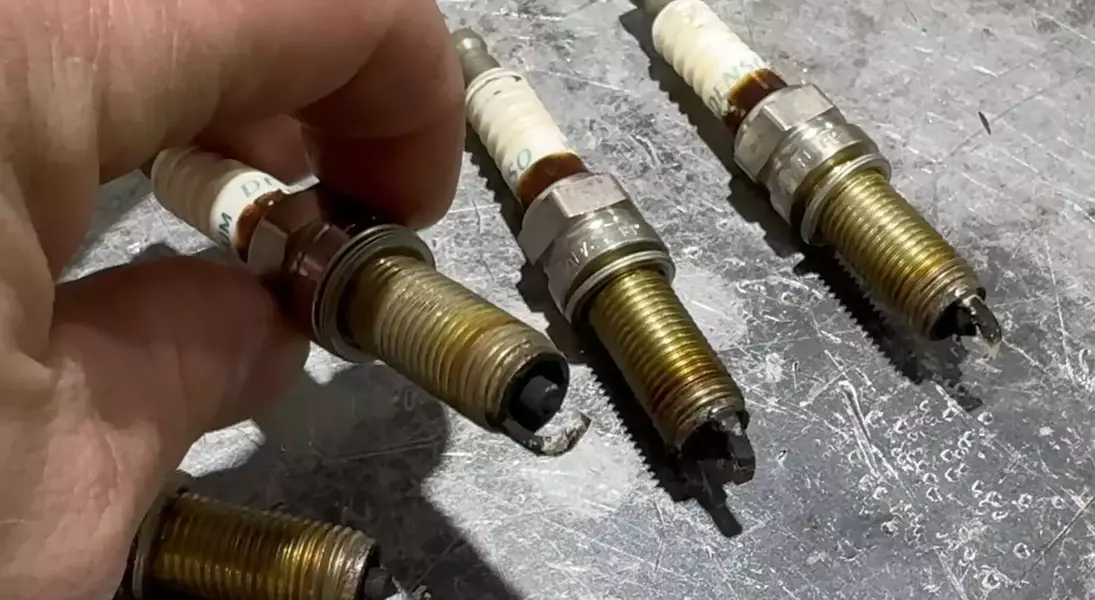
The teardown of the high-mileage Theta II engine from a 2013 Kia Optima, which had accumulated approximately 181,000 miles, offered a compelling view into its internal state. From the outset, clear indications of severe internal damage were apparent, with a distinct knocking sound accompanying any attempt to rotate the engine manually. Initial inspections revealed significant neglect, evidenced by severely worn spark plugs and substantial carbon buildup in the intake ports—a common issue in direct-injection engines but notably pronounced here. Despite these external signs, the components beneath the valve cover appeared surprisingly clean for an engine of this mileage, with only minimal sludge and no immediate signs of major timing system damage. However, the presence of metallic particles in the timing guides hinted at deeper, underlying problems within the engine's core.
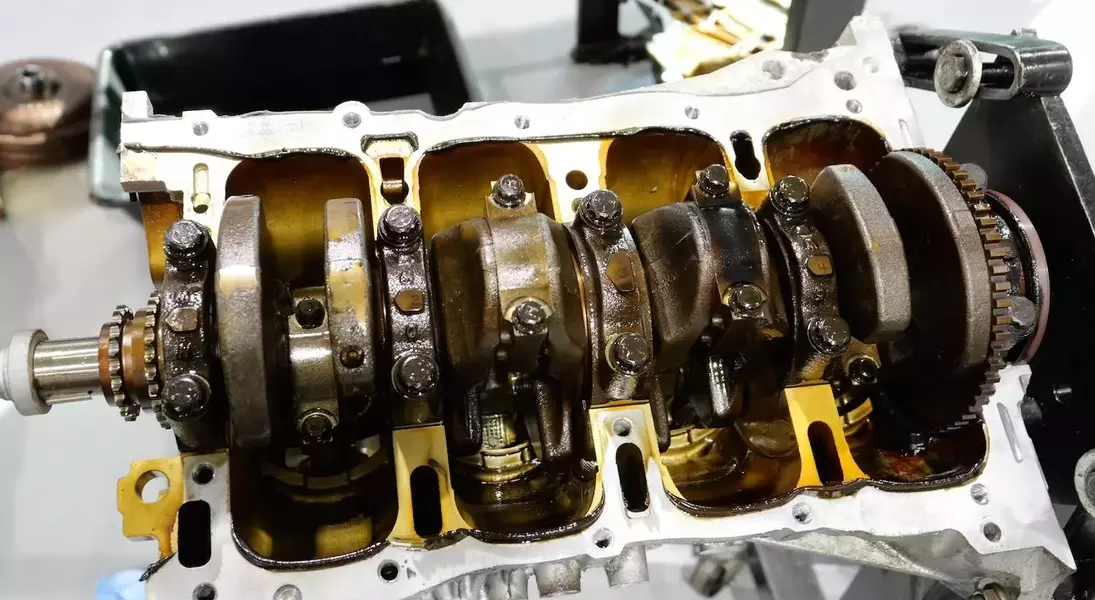
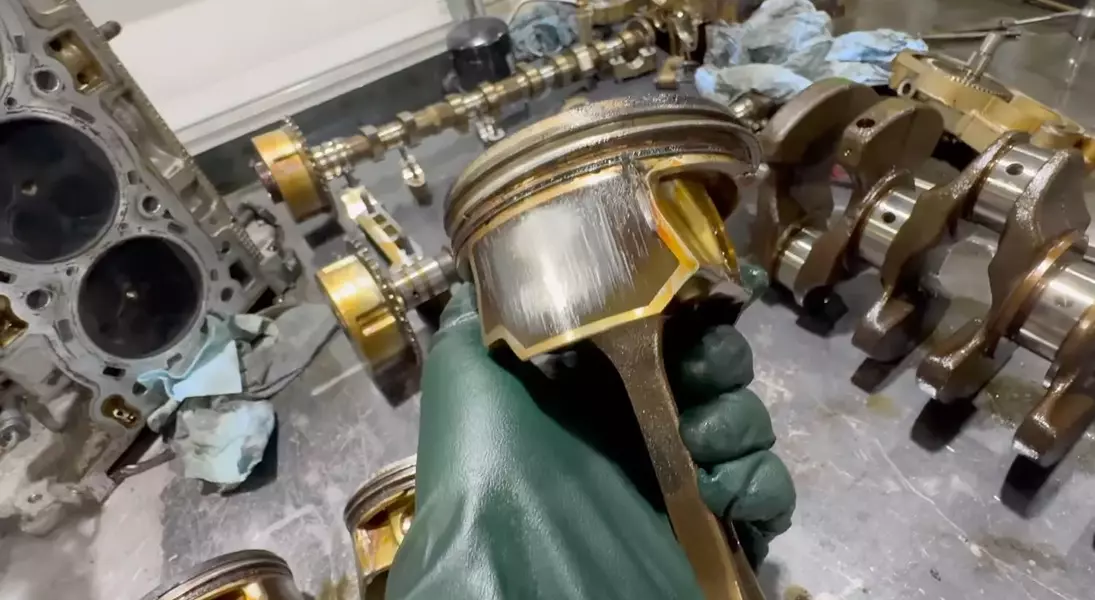
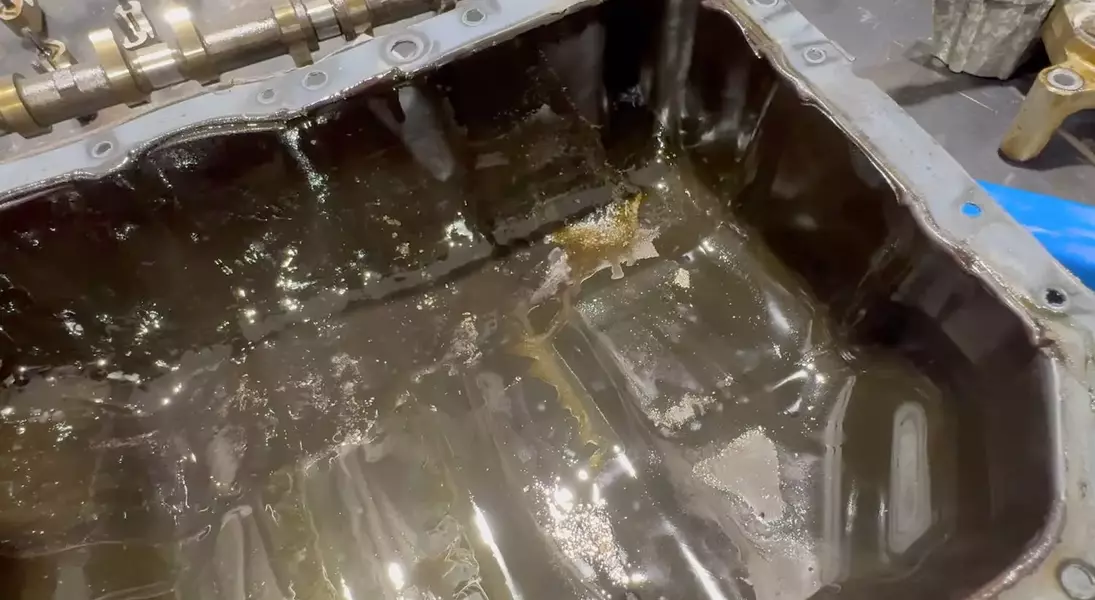
As the disassembly progressed and the cylinder head was removed, the full extent of the engine's long-term degradation became starkly evident. A key finding was the impact damage on one of the pistons, which had collided with the cylinder head, alongside an almost completely worn-out rod bearing. The adjacent cylinder walls also displayed considerable wear, indicating prolonged stress and frictional damage. Further examination of the engine's lower section confirmed the established failure pattern: the oil pan was heavily contaminated with metallic debris, often referred to as "bearing glitter," signifying extensive wear of internal components. The oil pump itself showed severe scoring, suggesting it had been circulating contaminated oil for an extended period. These observations collectively pointed to a familiar root cause: clogged oil control rings leading to excessive oil consumption, which, in turn, resulted in insufficient lubrication for the bearings. This gradual process, rather than an abrupt failure, culminated in rod knock and severe mechanical damage, illustrating that even engines enduring higher mileages ultimately fall victim to the Theta II's well-documented systemic weaknesses.
